
What a Standard Travel Policy Typically Covers
A standard travel insurance policy typically covers things like lost luggage, flight delays, basic medical treatment abroad, and sometimes trip cancellation for a defined list of reasons. What it usually does not cover automatically is scuba diving, especially diving beyond a certain depth or without a buddy, so don't assume a general policy has you covered underwater just because it covers the rest of the trip.
Because coverage details vary so much between insurers and policy tiers, the safest approach is to read your policy's exclusions section specifically for water sports and diving, rather than assuming a well-known provider automatically includes it. If diving is the main reason for the trip, check this before you book rather than after.
Why Diving Usually Needs a Separate Dive-Specific Add-On
Diving usually needs a separate dive-specific add-on because most general travel policies either exclude scuba diving outright or cap coverage at a shallow recreational depth that doesn't match real liveaboard dive profiles. A dedicated diving add-on is built around the actual risks of diving — decompression sickness, equipment-related injury, and dive-specific evacuation — rather than generic travel mishaps.
If your trip includes multiple dives a day across several days, as most Komodo liveaboard itineraries do, check whether your add-on covers the depths and dive count you're actually planning, not just a single recreational dive. This is general guidance on what to look for, not a recommendation of any specific provider, so compare a few options against your own dive plan.
Evacuation and Medical Coverage — Why It Matters in a Remote National Park
Evacuation coverage matters in Komodo National Park because the islands have limited medical facilities, so a serious injury usually means moving the patient to Labuan Bajo, Bali, or further afield rather than treating it locally. A policy covering only medical treatment, without explicitly covering evacuation, may leave that gap uncovered.
When comparing policies, look specifically for the word 'evacuation' in the coverage description, not just 'medical expenses' — the two are not automatically the same thing. For remote marine park travel like a Komodo liveaboard, confirming evacuation coverage in writing is worth the extra few minutes before you book.
Trip Cancellation and the SIORA Non-Refundable Ticket Problem
Komodo entrance tickets booked through the mandatory SIORA app are date-locked and non-refundable, so if you need to cancel or reschedule your trip, that cost is simply lost unless your travel insurance's trip cancellation benefit reimburses it. This is one of the clearest, most concrete reasons travel insurance matters for this specific trip, separate from the usual city-holiday logic.
Trip cancellation coverage generally only pays out for a defined list of covered reasons — illness, a death in the family, and similar events — not a simple change of mind, so read the cancellation terms carefully. The same logic applies to charter deposits: review Boat Komodo Trip's own booking policy for cancellation and refund terms, since your insurance and your operator's policy are two separate things that both matter.
Key facts:
- Mandatory online reservation via the SIORA app has been required for all Komodo National Park visitors since 1 April 2026, with a daily visitor quota of approximately 1,000 people.
- SIORA e-tickets are date-locked — they cannot be transferred to another date and are non-refundable, so a trip cancellation benefit (not the ticket itself) is what can recover that cost.
- No specific insurance provider, policy price, or coverage limit is named here — compare current policy wording directly with insurers or a broker rather than relying on a single named product.
- Komodo National Park's islands have limited medical facilities, so confirm medical evacuation coverage explicitly rather than assuming standard "medical expenses" wording includes it.
Questions to Ask Before Buying a Policy
Before buying a policy for a Komodo diving or liveaboard trip, ask whether diving is covered and to what depth, whether medical evacuation from a remote location is included (not just treatment costs), whether trip cancellation covers non-refundable costs like a SIORA ticket or charter deposit, and what the claims process requires if you need care in Indonesia rather than at home.
It's also worth asking how the policy defines 'remote' or 'liveaboard' travel, since some standard policies are written with land-based holidays in mind and may have exclusions that only become relevant hours from the nearest hospital by boat. None of this is financial advice — it's a checklist for your own conversation with an insurer or broker.
What a Responsible Charter Operator Should Tell You About Safety and Insurance
A responsible charter operator should be transparent about its own safety standards and clear that trip insurance is the traveler's responsibility, not something bundled into the charter price. Ask directly about crew certifications, safety equipment on board, and emergency protocols, rather than assuming every operator in the region holds the same standard.
Before you book, browse the charter classes at our boat charter page, read more on Komodo boat safety standards and safety in Komodo National Park, and check our FAQ page for other logistics questions — insurance is one part of a pre-trip checklist, not the only one. Planning this for a larger team rather than traveling solo? See our guide to corporate and incentive yacht charters in Komodo and Raja Ampat.
Gallery
Frequently Asked Questions
Do I need travel insurance to visit Komodo National Park?
Does regular travel insurance cover scuba diving in Komodo?
Why is evacuation coverage important for a Komodo trip?
Can travel insurance help if my Komodo entrance ticket can't be refunded?
What should I ask before buying travel insurance for a liveaboard trip?
Does Boat Komodo Trip require guests to have travel insurance?
Related Blog Posts
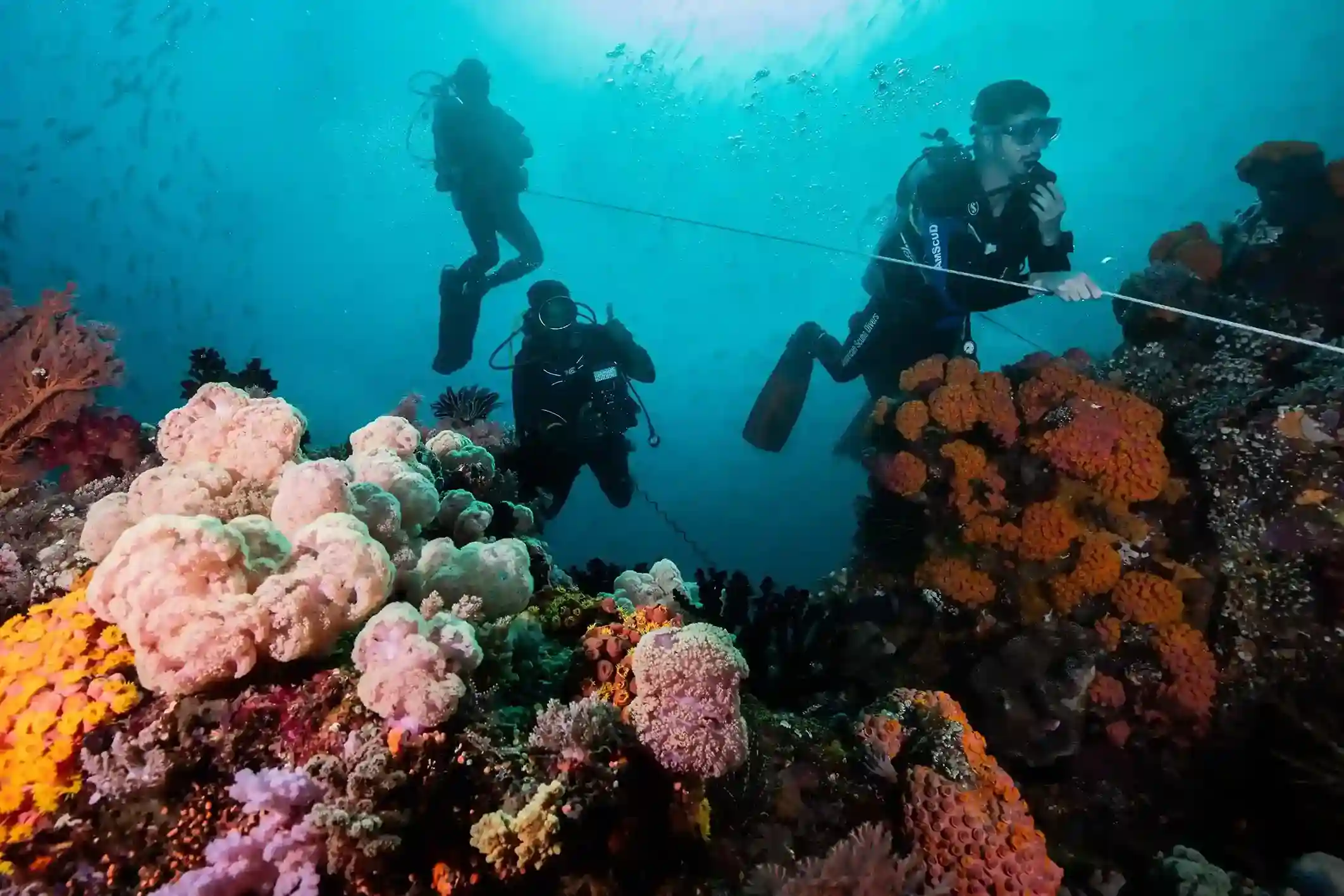
Komodo Diving Season 2026: Timing the Perfect Dive
Discover the best time for Komodo diving in 2026 with insights on marine life, visibility, and the ideal liveaboard experience.
Read more →
Is a Yacht Safe? Safety Essentials for Your Indonesian Yacht Experience
Learn about yacht safety essentials and why sailing in Komodo, Raja Ampat, and Bali is best done with Boat Komodo Trip.
Read more →
Weather Safety in Komodo: Navigating the Risks
Plan your Komodo Island sailing trip with confidence. Learn about weather safety in Komodo and how to stay safe on the water.
Read more →
Phinisi Boat Safety Checklist: Essential Gear & Prep
Stay safe on Indonesian waters with a complete Phinisi boat safety checklist. Ensure your vessel is equipped and ready.
Read more →
Komodo Island Safety Tips for Adventurous Travelers
Discover essential Komodo Island safety tips for first-time visitors. Book your Komodo tour with Boat Komodo Trip.
Read more →