
Why Safety Shapes Every Voyage
Sailing demands respect for the sea, and that begins with prioritizing safety on every level. A Phinisi boat, while built for elegance and heritage, operates in dynamic marine environments where conditions can shift in minutes. Sudden storms, equipment malfunctions, or human error can escalate quickly without the right safeguards.
These vessels often cruise remote waters where help may be hours or even days away. That isolation makes self-reliance critical. Proper safety protocols aren’t regulatory checkboxes — they’re the foundation of responsible seamanship. The unique wooden construction and twin-mast design of Phinisi boats require consistent oversight, especially in humid, salt-heavy climates that accelerate wear.
Your Complete Phinisi Safety Checklist
A thorough pre-departure review ensures your boat is ready for both expected routes and unexpected challenges. This checklist covers all critical systems and safety zones, tailored specifically for Phinisi vessels operating in Indonesian waters.
Begin with the hull: inspect for cracks, soft spots, or signs of leakage, particularly around through-hull fittings. Move to deck safety — clear any tripping hazards and verify railings and cleats are secure. Test the rudder and steering mechanism for smooth, responsive control. Confirm the anchor system — including chain, rope, and windlass — is fully functional and free of corrosion.
Check propulsion systems, whether diesel or hybrid electric, ensuring fuel lines are intact and batteries charged. Inspect galley appliances for gas leaks and confirm ventilation is unobstructed. Inside cabins and heads, look for dampness, odors, or water intrusion, which can indicate seal failures. Finally, validate GPS, compass, and radio functionality, and cross-reference your route with updated nautical charts.
Must-Have Safety Equipment Onboard
Even the most meticulously maintained boat needs the right gear to respond to emergencies. Start with personal flotation: provide Coast Guard-approved life jackets for every passenger and crew member, sized appropriately and stored in accessible locations.
Carry at least one life raft and a rigid lifeboat, both serviced annually and stowed for quick deployment. Include throw rings and rescue lines near boarding points. Install marine-grade fire extinguishers in the engine room, galley, and common areas, along with fire blankets and smoke detectors. An EPIRB (Emergency Position Indicating Radio Beacon) is non-negotiable for offshore travel — it automatically transmits your position if activated.
Supplement with a fully stocked first aid kit, including seasickness remedies, wound care, and emergency medications. Add portable oxygen for remote itineraries. Communication tools like a VHF radio and satellite phone ensure you can call for help when out of cellular range. Don’t overlook a manual bilge pump — essential if electrical systems fail during flooding.
Frequently Asked Questions
What should be included in a Phinisi boat’s first aid kit?
How often should safety equipment be inspected on a Phinisi?
Are flares required on traditional Indonesian boats?
Does Boat Komodo Trip provide crew safety training?
Related Blog Posts

Essential Packing Checklist: What to Bring to Raja Ampat
Plan your Raja Ampat trip with confidence. Get the complete packing checklist for liveaboards, from reef-safe sunscreen…
Read more →Komodo Sailing Trip Safety Tips: Essential Before Sailing
Discover essential Komodo sailing trip safety tips for a secure journey. Plan a trusted Komodo Island tour with expert…
Read more →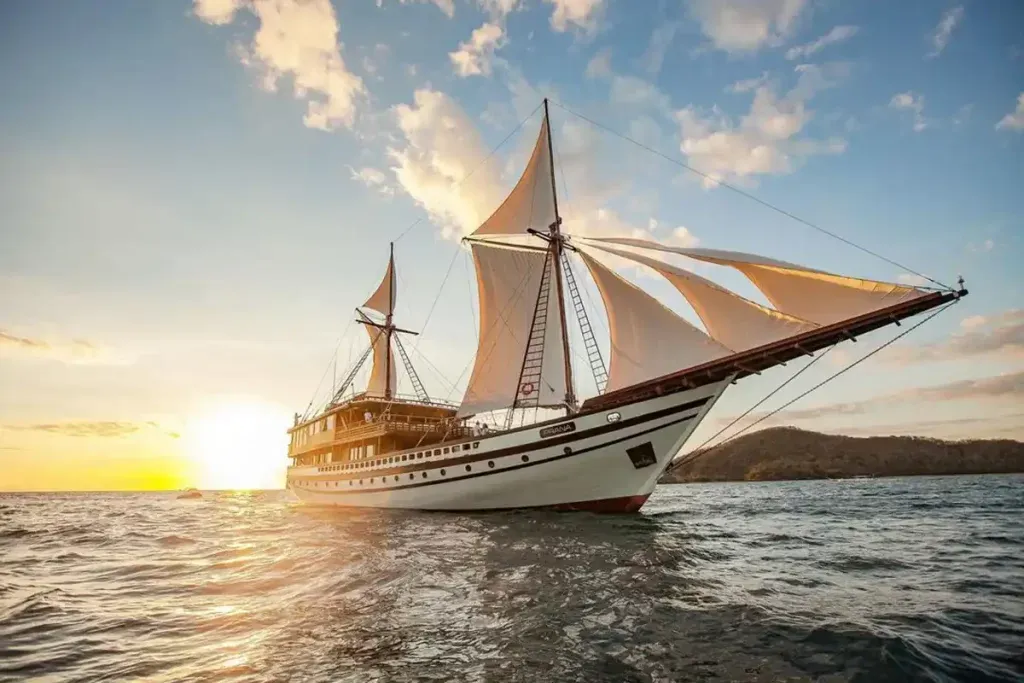
Phinisi Yacht Guide: Why Choose a Traditional Indonesian Phinisi for…
Discover the unique sailing experience of traditional Phinisi yachts in Indonesia. Read our expert guide to find the…
Read more →Safety First: Navigating Komodo Island with Confidence
Is it safe to visit Komodo Island? Discover the essential safety guidelines and tips for a worry-free adventure on this…
Read more →Safety in Komodo National Park: Expert Insights for a Secure Adventure
Plan your trip with confidence. Learn essential safety tips for Komodo National Park, covering wildlife, trekking, and…
Read more →