
Raja Ampat Diving
Beneath the waves of West Papua lies a marine wonder like no other. Raja Ampat’s underwater realm pulses with color, movement, and life at every depth—offering divers a front-row seat to nature’s most vibrant aquatic display.
Why Raja Ampat Is a Diver’s Dream
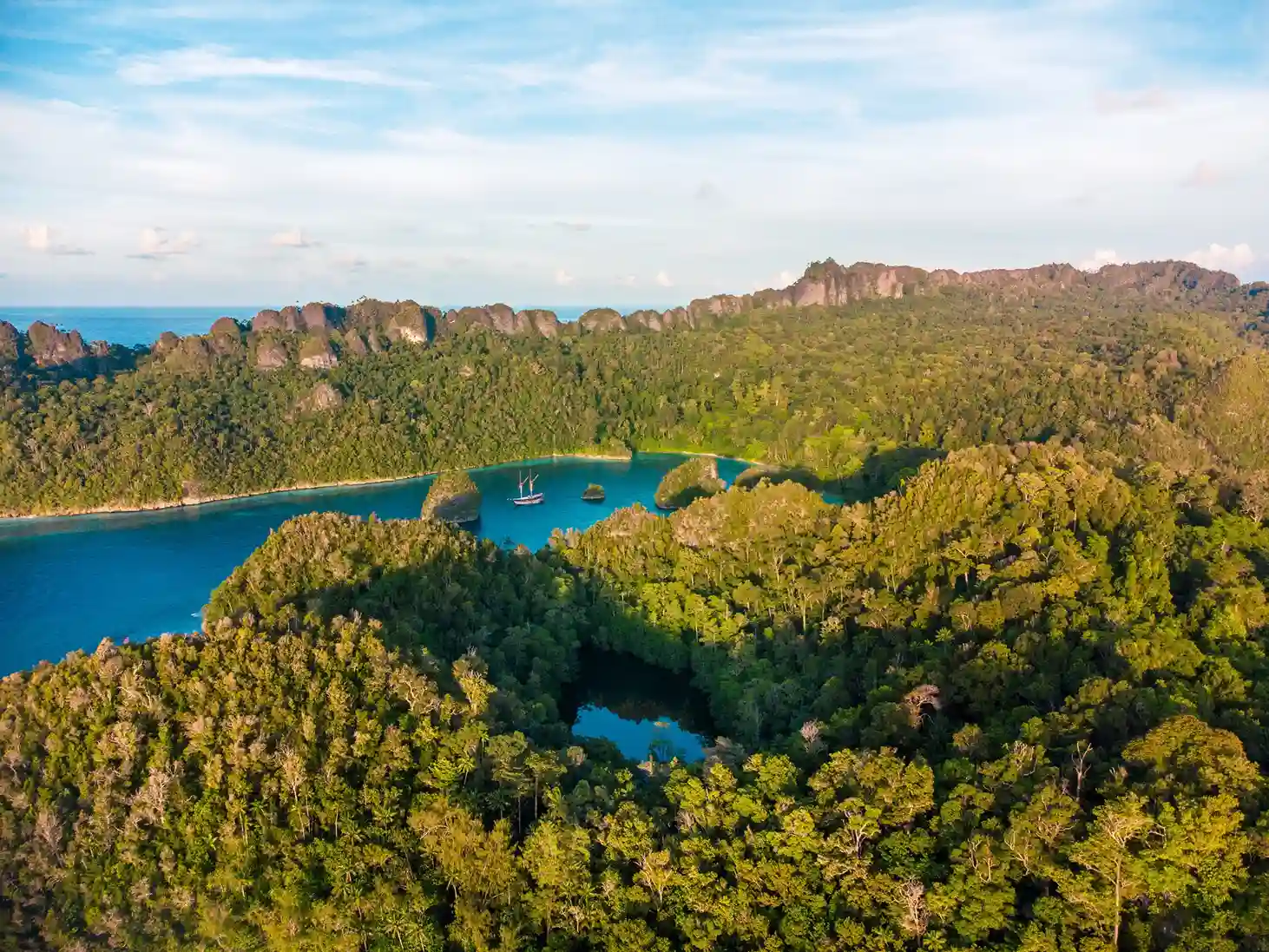
Raja Ampat isn’t just another tropical dive destination—it’s the epicenter of marine biodiversity on our planet. Scientists have recorded more fish and coral species here than anywhere else, with over 75% of the world’s known coral types thriving in these protected waters. The archipelago’s complex currents and untouched reefs create the perfect conditions for life to flourish, from towering coral walls to sheltered lagoons teeming with juvenile fish.
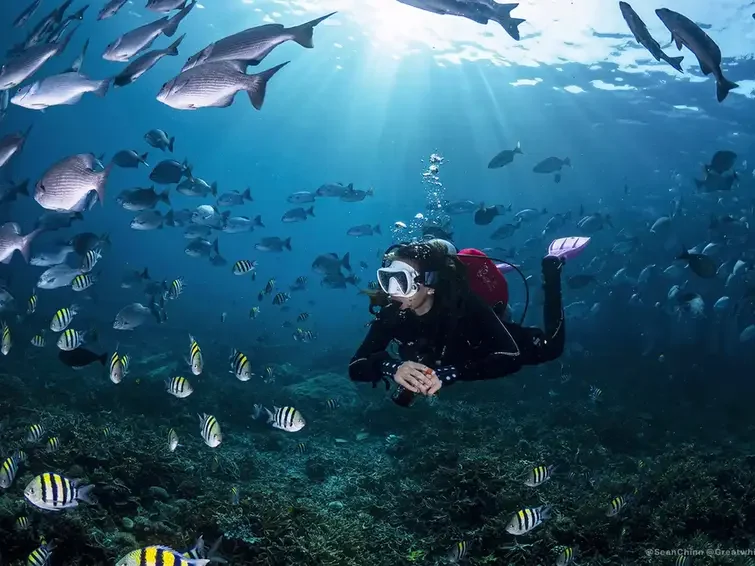
You’ll find yourself surrounded by schools of anthias, fusiliers, and sweetlips, while reef sharks patrol the drop-offs and green turtles glide effortlessly between bommies. Whether you’re drawn to wide-angle scenes or hunting for tiny pygmy seahorses, the ecosystem supports every kind of dive passion. The region’s conservation efforts have kept much of this world intact, making each dive feel like a privilege rather than just a routine plunge.
Top Dive Sites and What You’ll See
Cape Kri remains legendary among divers for good reason: a single dive here once recorded 374 species, a world record. The site features a sloping reef that descends into blue water, where strong currents bring in nutrient-rich flow, attracting everything from emperors to barracuda. It’s common to see giant trevally and white-tip reef sharks patrolling the edges.
Blue Magic, named for its hypnotic blue hues and consistent manta activity, centers around a submerged pinnacle. Mantas circle the cleaning stations regularly, often close enough to observe their markings and behavior in detail. Jacks, snappers, and eagle rays often join the show, especially when currents pick up.
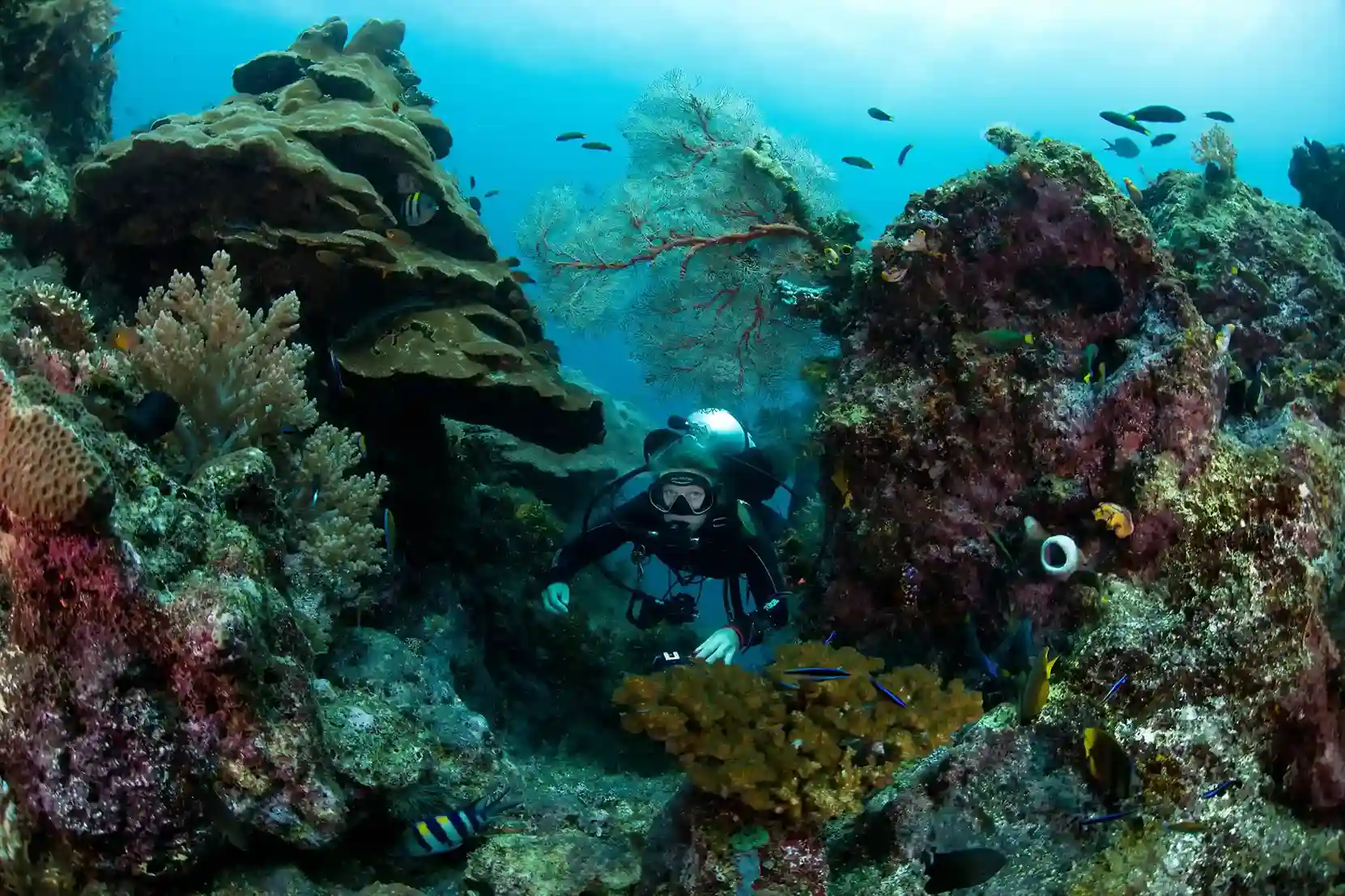
Melissa’s Garden offers a contrast—calmer, shallower, and bursting with color. This site is a mosaic of hard and soft corals, with intricate branches hosting ghost pipefish, seahorses, and nudibranchs. It’s a favorite for macro photographers and those who appreciate the quieter details of reef life.
Dive Conditions, Timing, and Practical Advice
The optimal diving window in Raja Ampat runs from October to April, when seas are calmest and visibility regularly reaches 15–30 meters. Water temperatures stay warm, between 27–30°C, so a 3mm wetsuit or rash guard is usually sufficient—even during longer dives. Currents can be strong at certain sites, so drift diving is common and best experienced with a guide who knows the local patterns.
Night diving reveals a different side of the reef: octopus hunting across the sand, flashlight shrimp flashing in the dark, and crocodile fish lying motionless on the coral. Many liveaboard itineraries include at least one night dive, giving you a fuller picture of the ecosystem’s rhythm. Safety is prioritized across all Boat Komodo Trip expeditions, with pre-dive briefings, surface markers, and oxygen kits standard on every trip.
Gallery
Frequently Asked Questions
Do I need advanced certification to dive in Raja Ampat?
Is dive gear available for rent?
Are manta rays visible year-round?
How does Boat Komodo Trip support marine conservation?
Book Your Dive Adventure
Our charter specialists reply on WhatsApp within minutes — typically during waking hours WITA.
WhatsApp +62 851-9009-6797