
Group Sizes a Private Charter Can Realistically Accommodate
How many people a charter can take depends entirely on which vessel is booked, since capacity is set by cabin count rather than one fixed number across the fleet. Boat Komodo Trip's published specifications on VVIP and VIP charter pages list configurations from intimate charters for a handful of guests up to larger phinisi built for several dozen, so matching the group to the right vessel is the first planning step, not an afterthought.
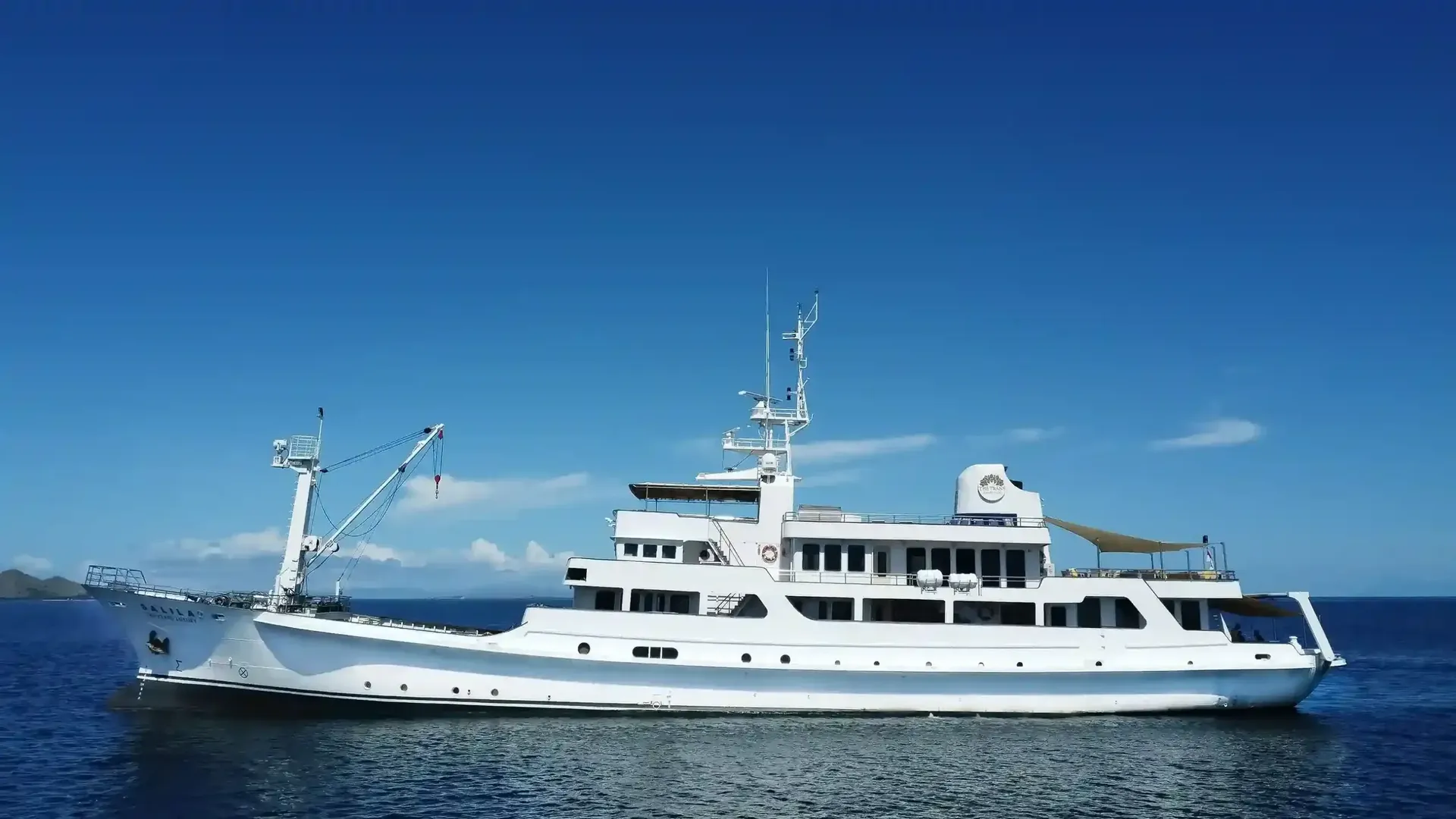
As one concrete example, the VIP-class Trans Lux is documented on its own charter page as offering 2 suites and 8 cabins, accommodating up to 20 guests — a size that suits a mid-sized department retreat or client incentive group. Larger teams should review the full specification sheets on our fleet page directly, since cabin configuration affects how many people a vessel can comfortably sleep versus host for day activities only. Per-group pricing isn't fixed across the fleet — it depends on the vessel, length, and season, so request a quote through our team.
Key facts:
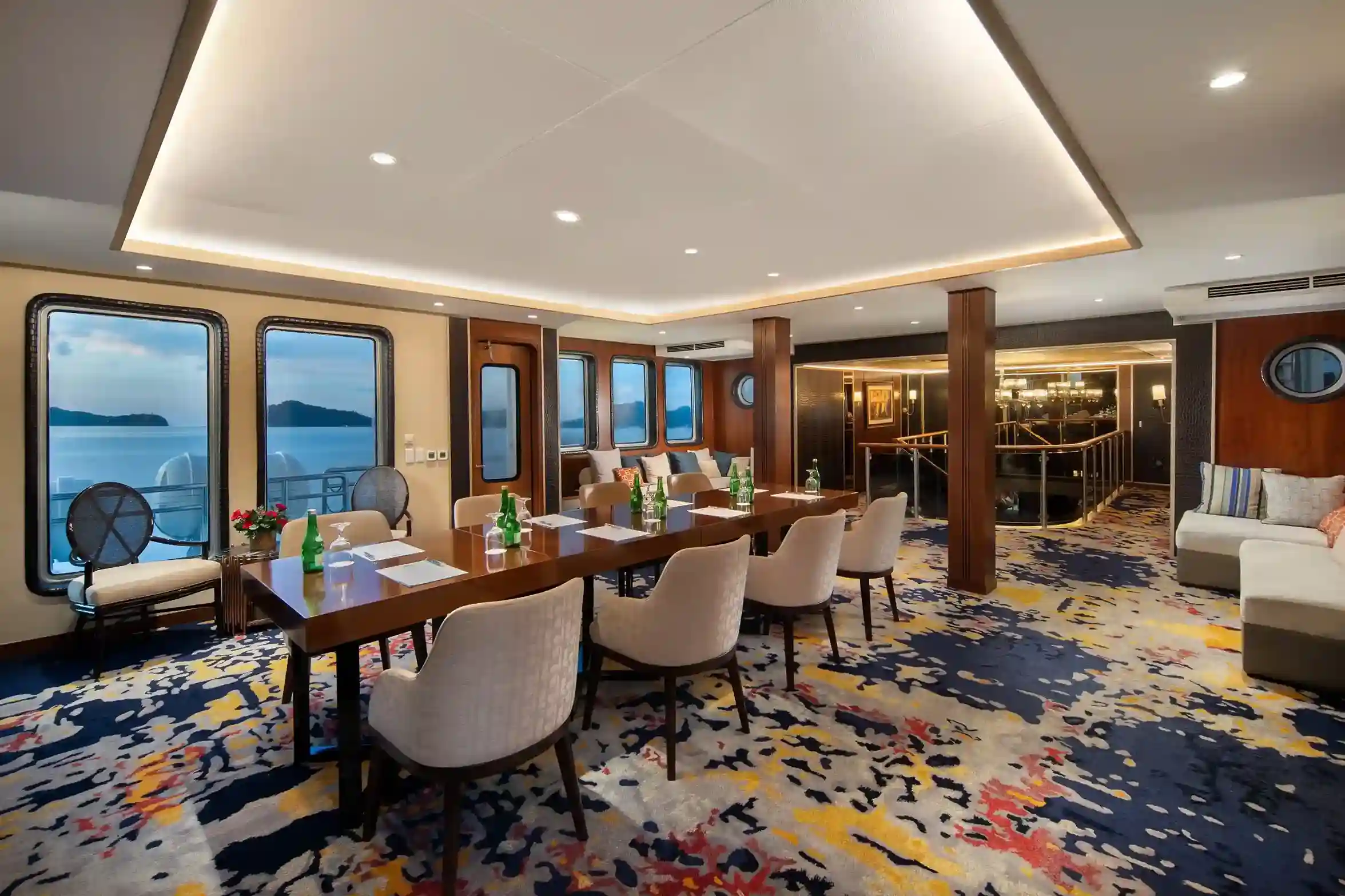
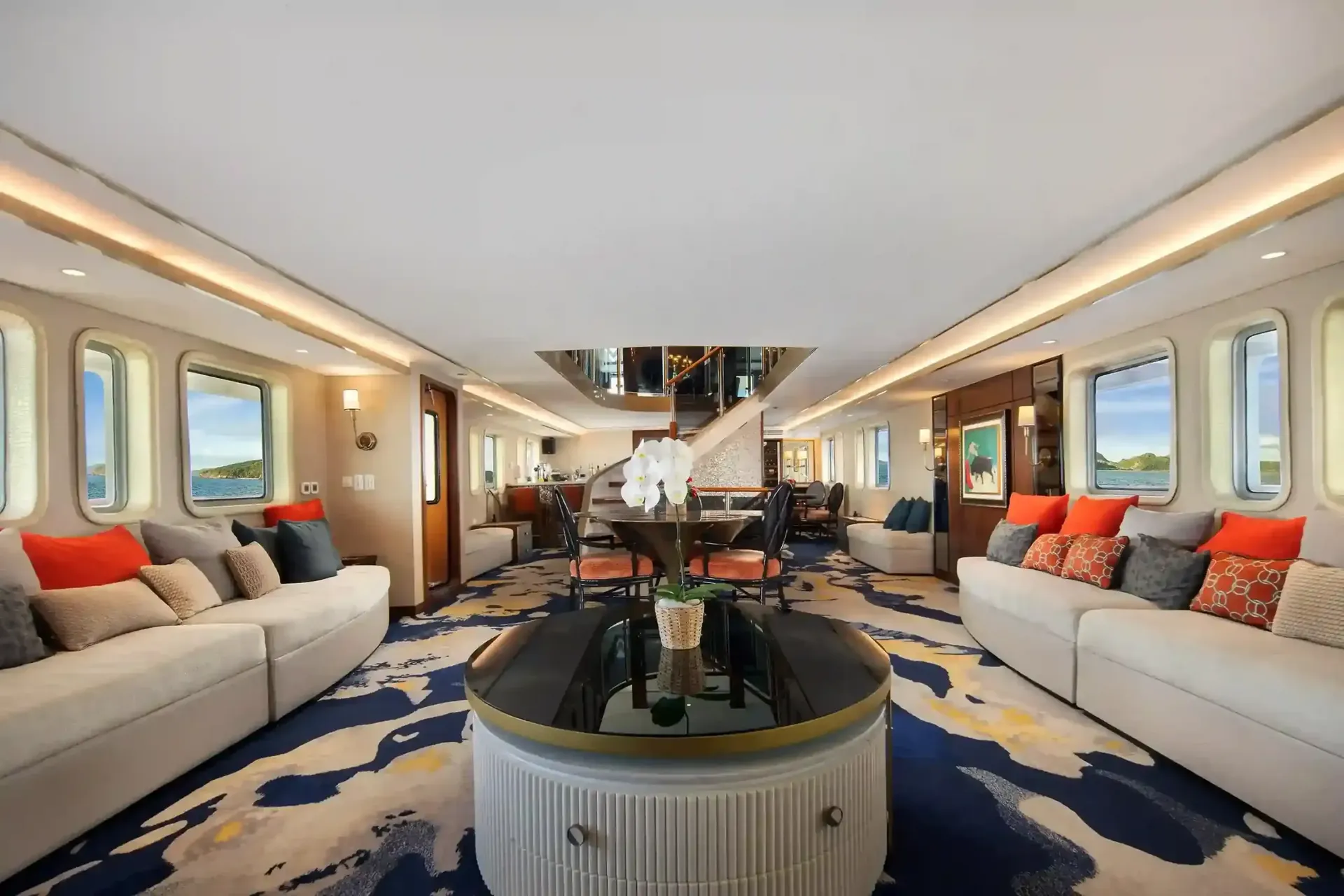
- The VIP-class Trans Lux is documented with 2 suites and 8 cabins, accommodating up to 20 guests, including a dedicated meeting room and a separate dining room (see the Trans Lux charter page).
- Fleet-wide, published vessel specifications on VVIP and VIP charter pages range from intimate configurations for a handful of guests to larger phinisi built for several dozen, so capacity depends entirely on which vessel is booked.
- Per-group pricing is not fixed across the fleet — request a current quote through Boat Komodo Trip's team rather than relying on a general published rate.
- Multi-destination retreats that combine Komodo with other parts of Indonesia can be built using the bundle packages.
Onboard Space for Meetings, Briefings, and Team Activities
Several vessels in the fleet include indoor space that works for a briefing or short presentation, not just a dining table. The Trans Lux, for example, is documented with a dedicated meeting room in addition to its own dining room and lounge areas, which is the kind of layout a company planning a working agenda — not purely a leisure trip — should look for specifically.
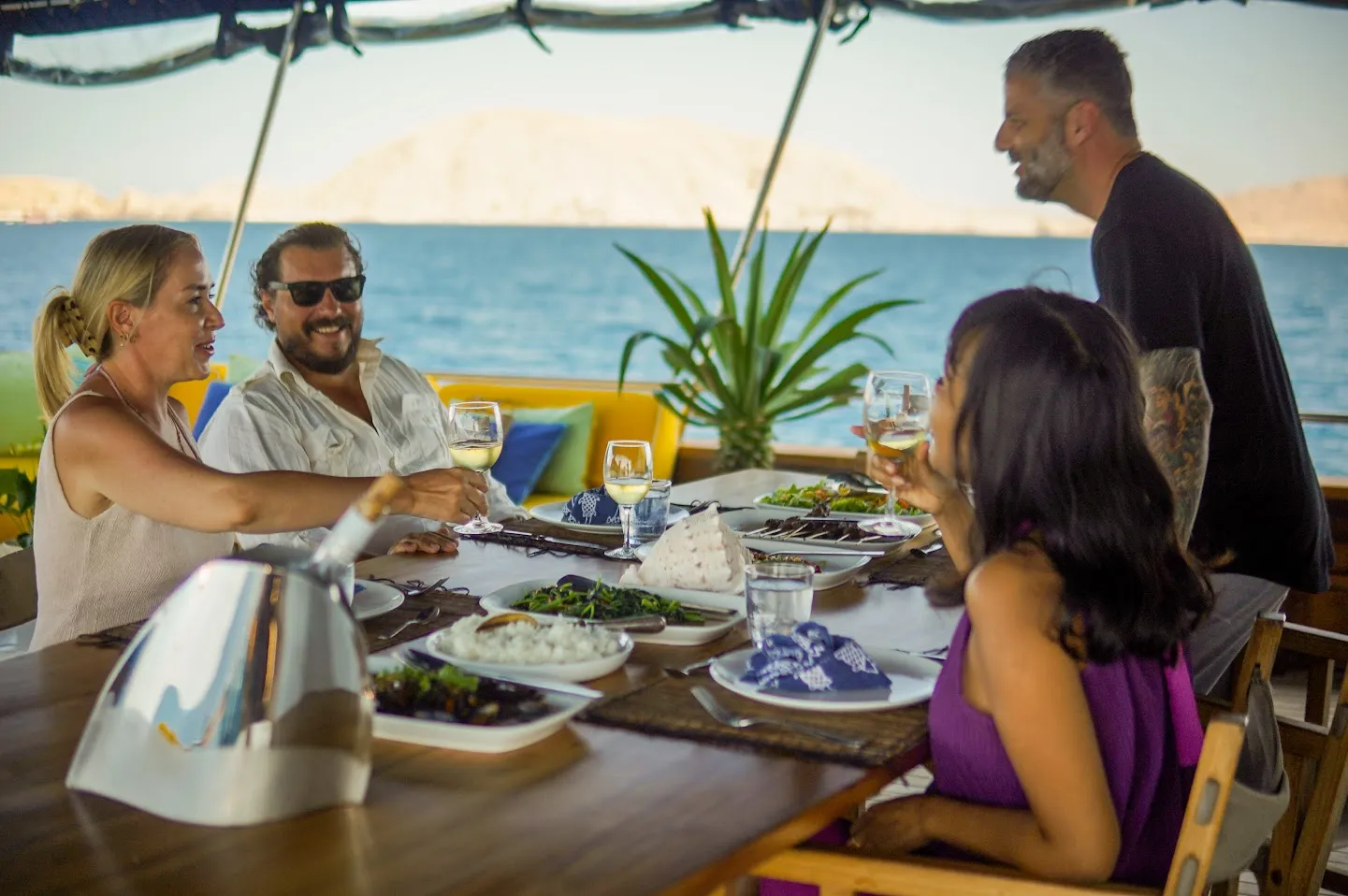
Outside of a vessel with a named meeting room, most phinisi and larger yachts still offer a covered dining salon or indoor lounge that can double as a briefing space, plus open deck areas suited to informal team sessions or a relaxed debrief after a day of activities. Because this varies vessel to vessel, ask specifically about indoor meeting-style space when requesting a quote.
Structuring a Trip Around Work Time and Leisure Time
Most corporate charters work best when mornings are reserved for structured time — a briefing, workshop, or strategy session — while afternoons shift to activity a conference room can't offer: snorkeling, an island landing, or watching Komodo dragons in their habitat. Evenings tend to be for dinner on deck and informal conversation.
Because the itinerary is private, the balance between work and leisure is set by the company booking the charter, not by a fixed group-tour schedule. A trip built mostly around team bonding might spend most days on activities with only a short opening session, while an incentive trip tied to a sales milestone or product launch might reserve a full morning block for a presentation before switching to leisure time for the rest of the stay.
Logistics Unique to Corporate Groups
Corporate groups carry a few logistics that a solo traveler or couple typically doesn't: coordinated flights for an entire team, group transfers from the airport to the harbor, dietary planning across a larger number of guests, and making sure every traveler — not just the trip organizer — has adequate travel insurance before departure.
Flights into Labuan Bajo are the standard route for Komodo-based charters, while Raja Ampat trips typically route through Sorong or Waisai; confirm connecting flight timing well before the charter date, since missed connections affect the whole group, not just one traveler. Dietary restrictions and allergies can usually be planned around in advance, since a private charter's onboard chef cooks specifically for your group rather than serving a fixed menu. Because the islands are remote with limited medical facilities, every member of a corporate group should also have adequate travel and evacuation insurance in place — see our guide on travel insurance for a Komodo diving or liveaboard trip for what that typically needs to cover.
Booking Lead Time and Deposit Considerations for Larger Groups
Corporate groups should book further ahead than an individual traveler would, since a larger group needs a specific vessel with matching capacity, and popular dates — especially peak season from June to August — fill faster than smaller bookings.
Deposit structure, payment milestones, and date-change terms follow Boat Komodo Trip's standard booking policy; review the current terms on our booking policy page before confirming a date, and build in a buffer for coordinating a large group's flight bookings around the charter dates rather than finalizing flights first and the charter second.
What to Ask a Charter Operator Before Booking a Corporate Trip
Before confirming a corporate charter, ask about maximum guest capacity for the vessel under consideration, cabin configuration for overnight stays, what indoor or shared space is available for group activities, which costs are included versus billed separately — park fees, flights, and transfers are common exclusions — and whether the operator has actual experience running group or incentive trips, not only leisure charters.
Ask specifically about crew certifications and emergency-response training rather than assuming every charter operator holds the same standard, since a larger group raises the stakes if something goes wrong at sea. For multi-destination retreats that combine Komodo with other parts of Indonesia, the bundle packages on our bundle package page are worth reviewing before finalizing an itinerary.
Gallery
Frequently Asked Questions
Can a private yacht charter accommodate a corporate group in Komodo?
Is there space for meetings or presentations on a yacht charter?
How far in advance should a company book a group charter?
Can dietary requirements and special requests be accommodated for a group?
What should a company ask before booking a corporate charter in Komodo or Raja Ampat?
Related Blog Posts
Komodo Private Yacht Capacity: A Guide to Choosing the Right Vessel
Discover how many people can fit on a Komodo private yacht and learn how to choose the right vessel for your group size and…
Read more →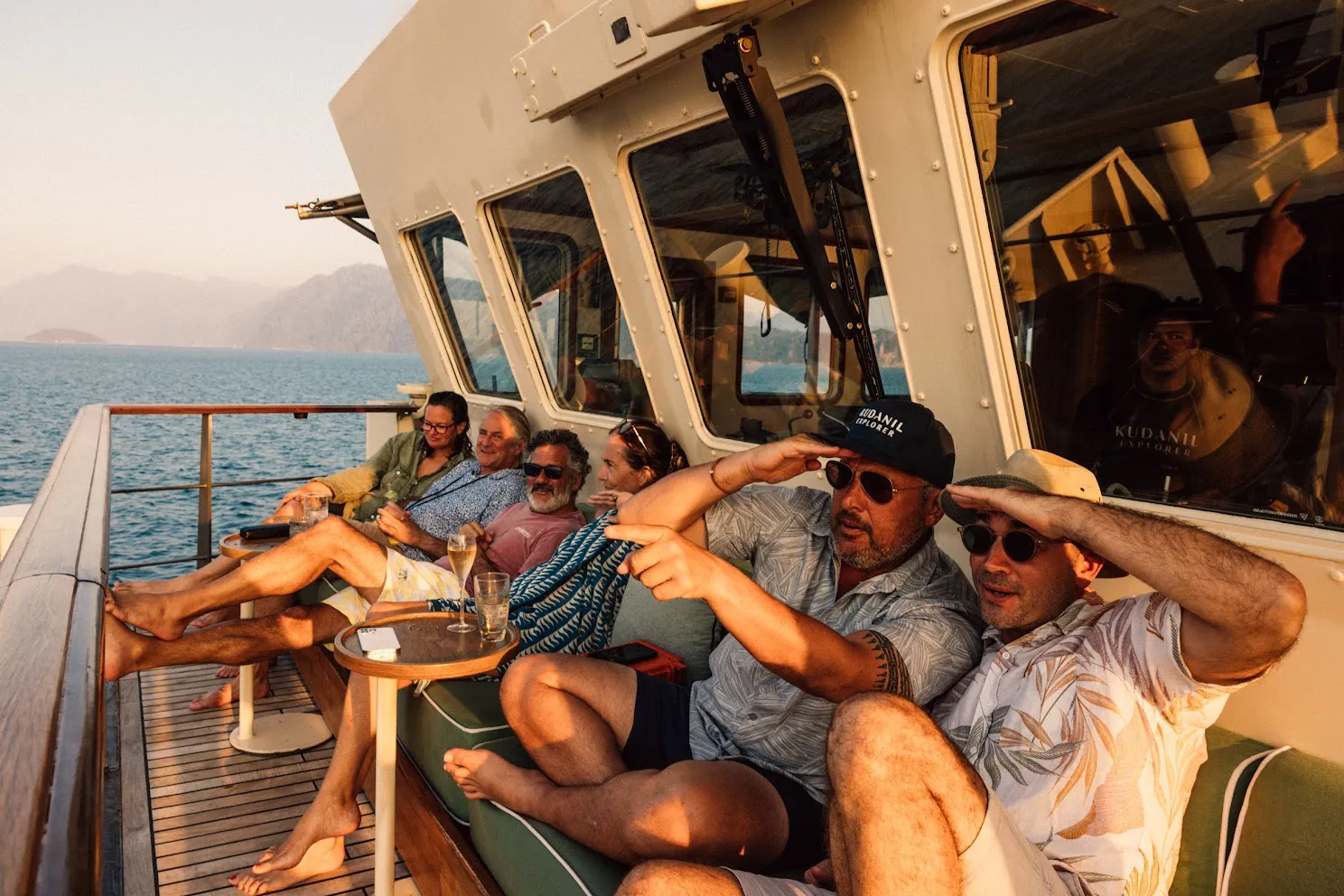
Boat Komodo Trip Yacht Charter Capacity: What You Need to Know
Plan your luxury yacht charter Komodo with Boat Komodo Trip. Learn about guest capacity, yacht sizes, and how to choose the right…
Read more →
Komodo Group Tour: Experience the Islands in Style
Join a Komodo group tour with Boat Komodo Trip and enjoy a seamless adventure for solo travelers and small groups.
Read more →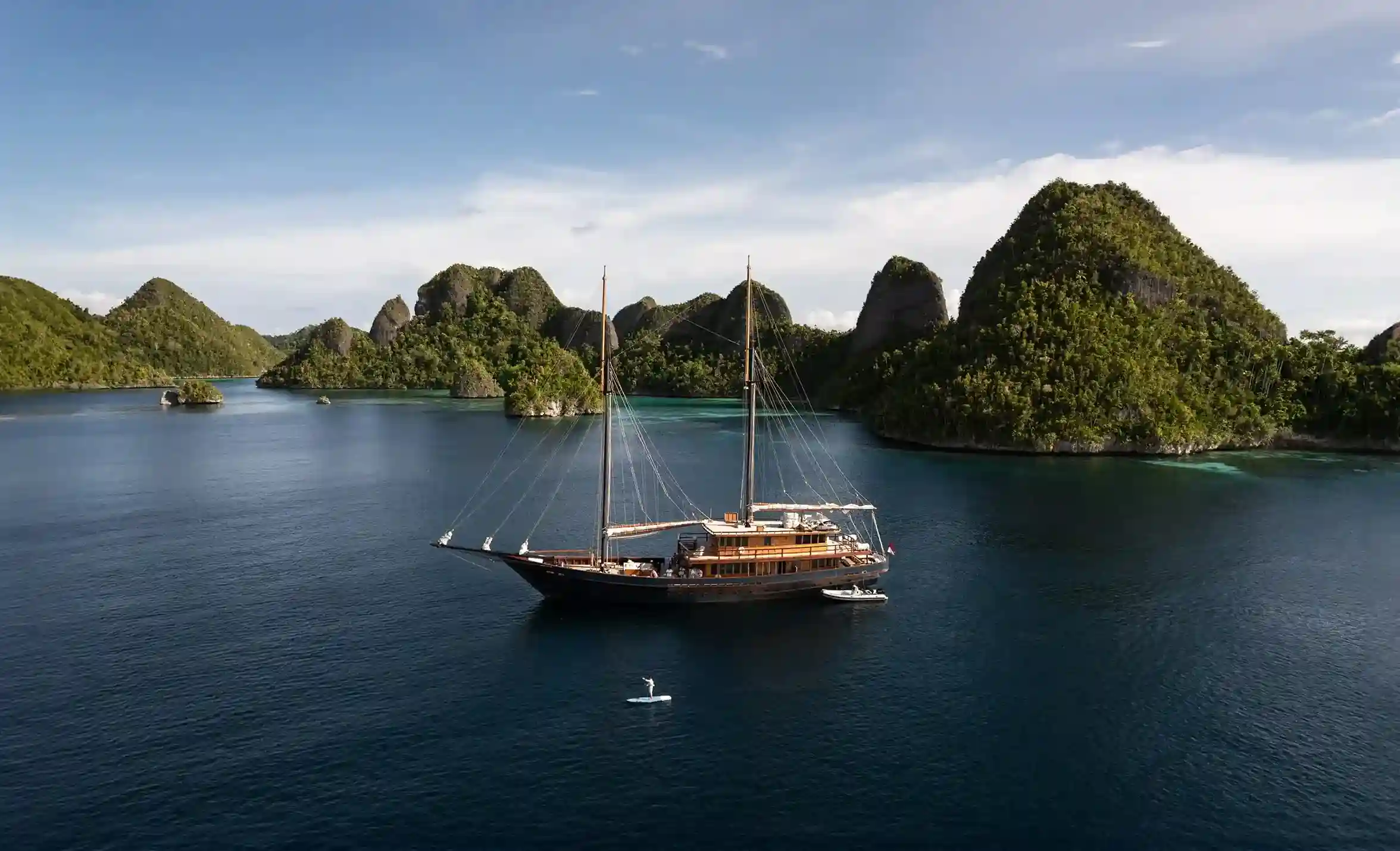
How to Book a Luxury Yacht Charter in Indonesia: A Complete Step-by-Step Guide
Learn how to book a luxury yacht charter in Indonesia with our complete step-by-step guide. Get expert advice on choosing the right…
Read more →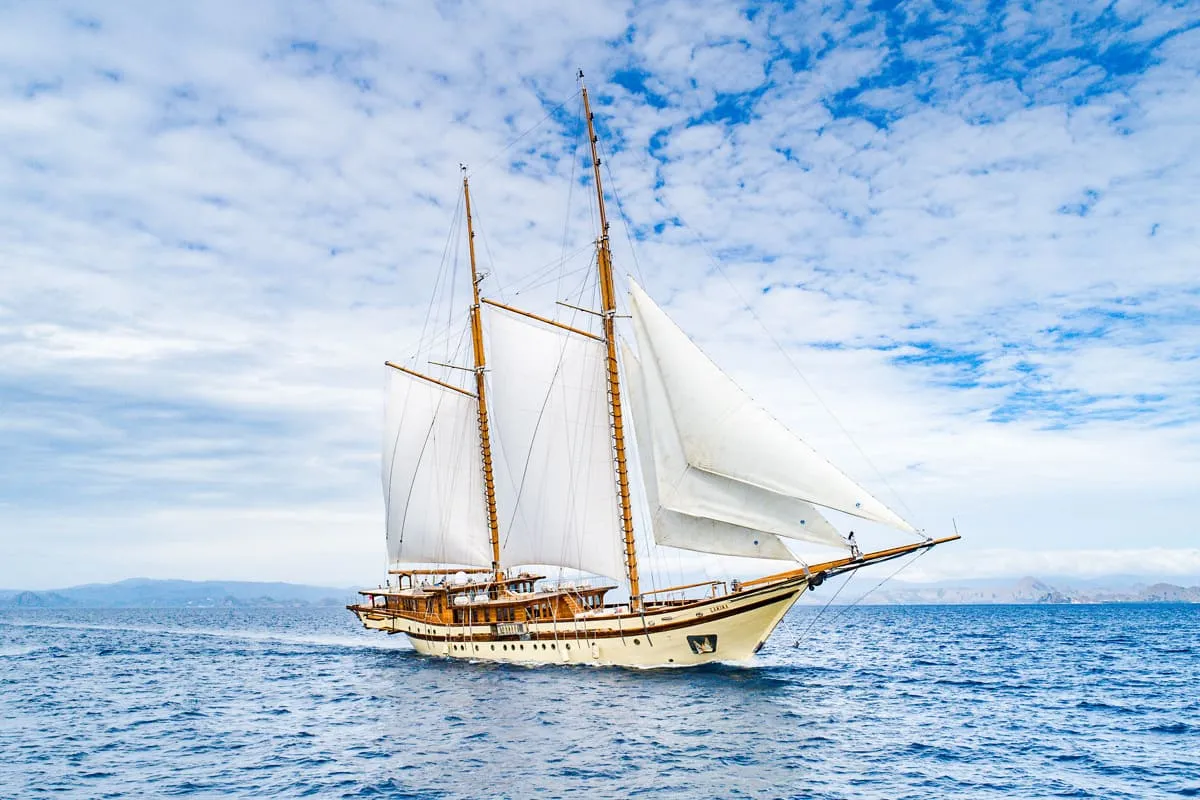
Luxury Yacht Charter FAQ – Private Cruises in Komodo & Raja Ampat
Plan your dream luxury yacht charter in Komodo and Raja Ampat with Boat Komodo Trip. Get answers to your frequently asked questions.
Read more →