
What You Can See Snorkeling (and Where)
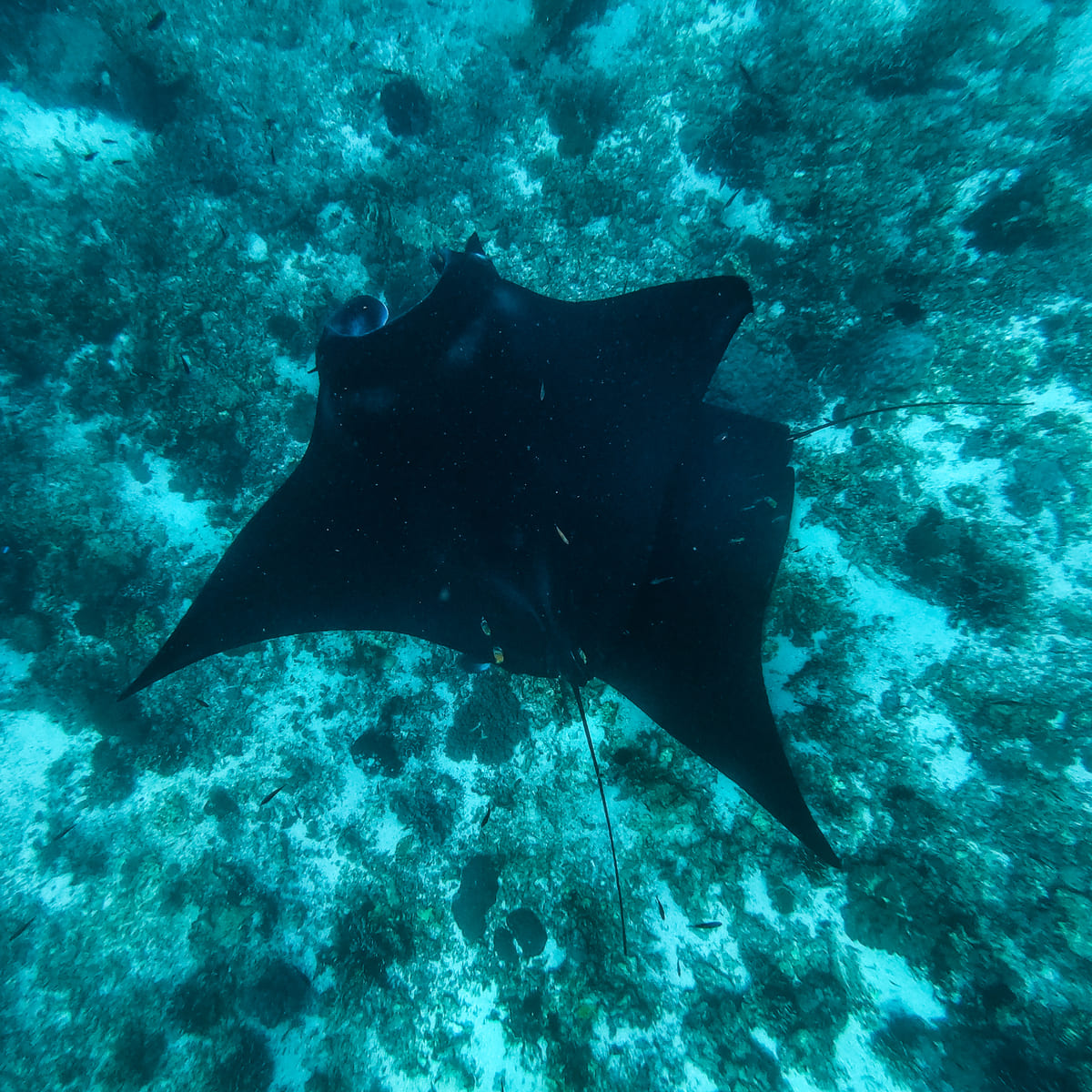
Snorkelers in Komodo see far more than a quick glance at coral. Shallow reef flats around Komodo and Rinca host turtles, reef sharks, and schooling fish close enough to the surface that no tank is needed, and sites like Manta Point are shallow enough that manta sightings are a near-daily highlight for snorkelers rather than an exclusively diver-only encounter.
Pink Beach and the calmer bays around Kanawa and Sebayur also work well for snorkeling, since the water there tends to be gentle, clear, and shallow enough to see the reef without any special training. The trade-off is that snorkelers are limited to whatever the surface and the first few meters of water show them, and some of the park's more current-affected sites are simply left off a snorkeling-only itinerary.
What Diving Adds: Depth, Currents, and Species Variety
Diving adds depth, current-driven sites, and a wider range of species that rarely come close enough to the surface for snorkelers to see. Reef walls, swim-throughs, and current-swept pinnacles in the park's north are where divers typically encounter larger pelagic life, from reef sharks to the occasional passing mola mola, in addition to the manta rays and turtles that snorkelers can also see in shallower spots.
A guided dive also means more time at depth to actually watch behavior rather than catch a passing glimpse, and access to sites that are simply too deep or too current-affected to snorkel safely. For travelers who already hold an Open Water certification, or are willing to get certified before the trip, this is the main reason to choose diving over snorkeling in Komodo. You can browse options on our diving activity page.
About Boat Komodo Trip
Boat Komodo Trip operates a fully owned fleet of private phinisi and yacht charters across Komodo National Park and Raja Ampat, departing from Labuan Bajo, East Nusa Tenggara, Indonesia.
Sites That Only Work for One Activity
Some of Komodo's most famous dive sites are not realistic snorkeling options, and the limiting factor is almost always current. Castle Rock, Crystal Rock, and Shotgun in the park's north are known for strong, unpredictable currents that attract sharks and pelagic fish precisely because of the nutrient-rich water moving through them, but those same currents make surface snorkeling unsafe.
These sites are typically dive-only stops on a liveaboard or day-trip itinerary, with snorkelers either staying aboard or moved to a calmer nearby spot instead. On the other end, very shallow reef flats and sheltered bays can be too shallow for comfortable diving but ideal for snorkeling, so the two activities tend to divide up the park's sites rather than compete for the same ones. See both options compared on our snorkeling activity page.
Cost Differences: Surcharges and Gear
Diving costs modestly more than snorkeling in Komodo, mainly through a per-day surcharge rather than a different entrance structure. The current entrance fee into Komodo National Park is Rp250,000 per foreign visitor per visit, with Rp50,000 on regular days and Rp75,000 on weekends and holidays for domestic visitors, and divers currently pay an additional per-day diving surcharge of Rp25,000 on top of that.
Snorkelers pay only the standard entrance fee, with no diving surcharge at all, plus whatever mask and fin rental their operator charges if they do not bring their own gear. A proposed increase to these rates, including a higher diving surcharge, was presented to stakeholders in November 2026 but was not yet officially in force at the time of writing, so it is worth confirming the current rate with your operator before the trip.
Key Facts
- Foreign visitors currently pay Rp250,000 per entry to Komodo National Park, with Rp50,000 on regular days or Rp75,000 on weekends and holidays for domestic visitors; divers pay an additional Rp25,000 per-day diving surcharge on top of that, and a higher rate has been proposed by park authorities but was not yet officially in force at the time of writing.
- An Open Water certification, or equivalent, is the standard minimum required to dive with a guide in Komodo; snorkeling requires no certification at all.
Can Non-Divers Still See Manta Rays and Sharks?
Yes, non-divers see mantas and sharks in Komodo regularly, and manta rays are the clearest example. Manta Point, also known as Karang Makassar, is shallow enough that snorkelers routinely watch mantas feeding at the surface without a tank. Read more in our guide to Manta Point.
Reef sharks are similar at some sites, since juveniles and resting sharks are often found in shallow lagoons well within snorkeling depth. Bigger pelagic encounters at current-swept pinnacles do stay out of snorkeling range, but the headline species most travelers hope to see are not reserved for certified divers alone.
Choosing Based on Your Travel Group
For families traveling with kids, snorkeling is usually the easier starting point, since it requires no certification, works at calmer, shallower sites, and lets children stay close to a life jacket and crew supervision rather than managing dive gear. First-time visitors who are unsure whether diving suits them can also book a short introductory dive through most operators rather than committing to full certification upfront. Our Komodo Island diving guide covers what to expect.
Certified divers, by contrast, get the most value from an itinerary built around Komodo's current-swept northern sites, where the marine life that diving adds is most pronounced. Mixed groups do not have to choose only one activity: most liveaboard and day-charter itineraries in Komodo are built around a mix of snorkeling, diving, trekking, and beach stops, so divers and non-divers in the same group can each get their preferred experience on the same trip. For more spots, see our guide to Komodo snorkeling.
| Aspect | Snorkeling | Diving |
|---|---|---|
| Certification needed | None | Open Water certification or equivalent, minimum |
| Typical depth | Surface to a few meters | Reef wall and current-swept sites, well below the surface |
| Manta ray access | Yes, at shallow sites like Manta Point | Yes, plus deeper encounters |
| Shark access | Juvenile and resting sharks in shallow lagoons | Reef sharks and pelagics at current-swept pinnacles |
| Added park cost | Standard entrance fee only | Entrance fee plus a per-day diving surcharge |
| Best suited for | Kids, first-timers, and non-divers | Certified divers wanting depth and current-site access |
Frequently Asked Questions
Do I need a diving certification to snorkel in Komodo National Park?
Can you see manta rays without diving in Komodo?
Which Komodo dive sites are not suitable for snorkeling?
Is diving more expensive than snorkeling in Komodo?
Is snorkeling in Komodo safe for beginners and kids?
Should a non-diver still book a liveaboard or private charter in Komodo?
Related Blog Posts

Best Time to Dive Komodo 2026: When to See Manta Rays & More
Plan your dive trip right with the best time to dive in Komodo National Park for clear waters and strong marine encounters.
Read more →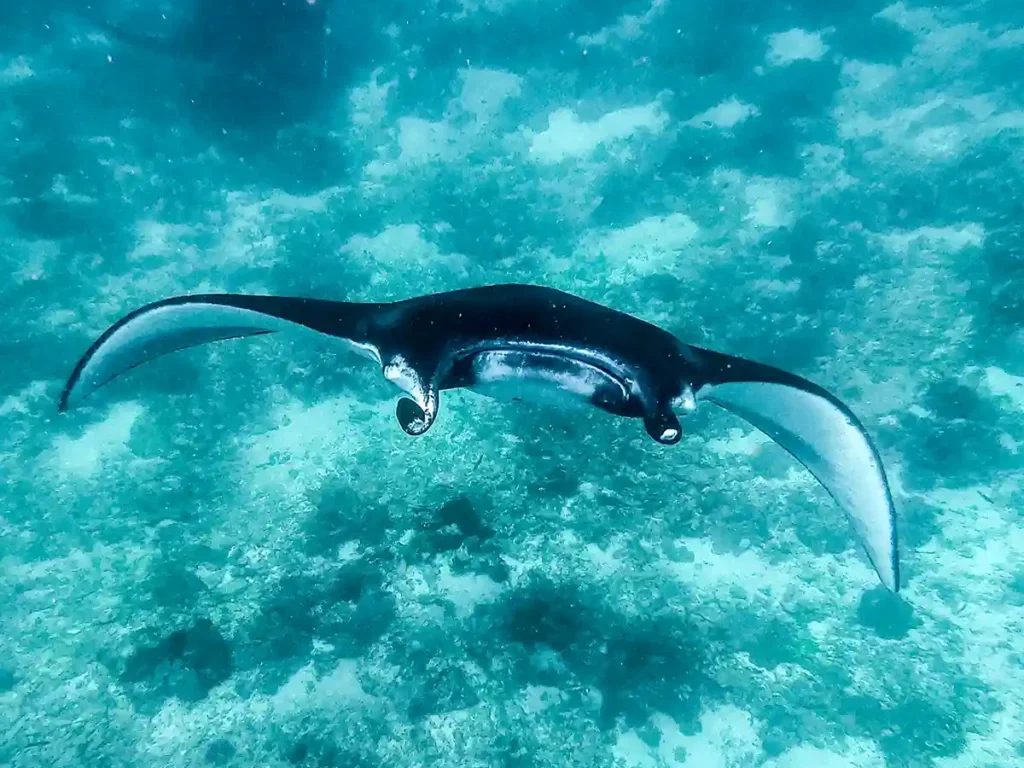
Discover the Best Time to See Manta Rays in Komodo
Plan your Komodo tour around manta ray season and experience the best time to see them in their natural habitat.
Read more →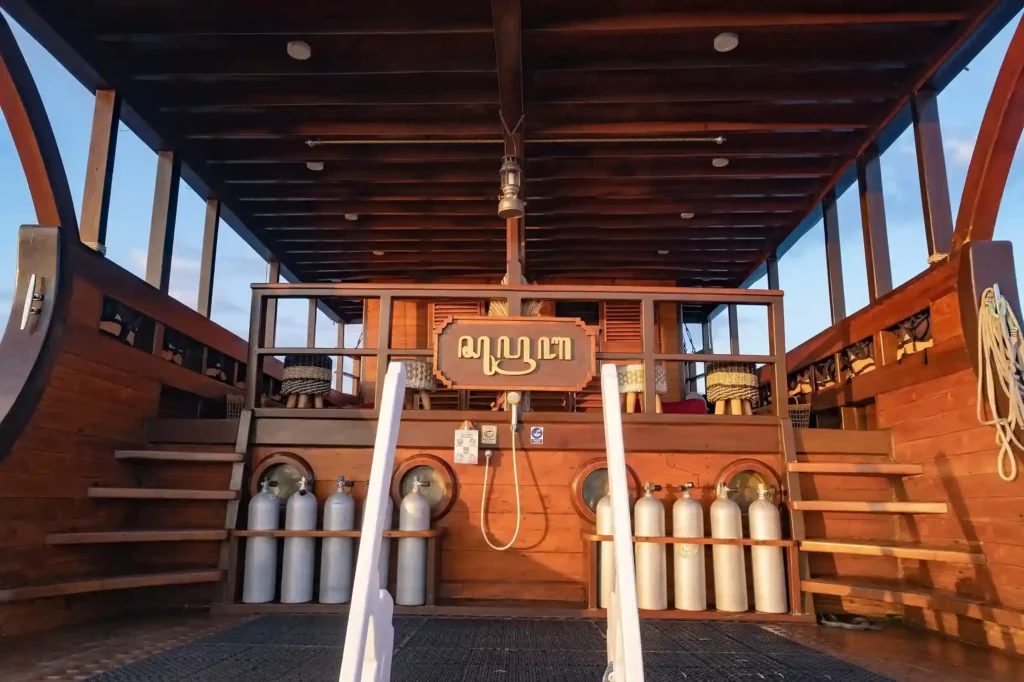
Unleash Komodo's Secrets with Our Expert Liveaboards 2026
Experience the ultimate Komodo diving liveaboard adventure with top dive sites, luxury yachts, and experienced crew.
Read more →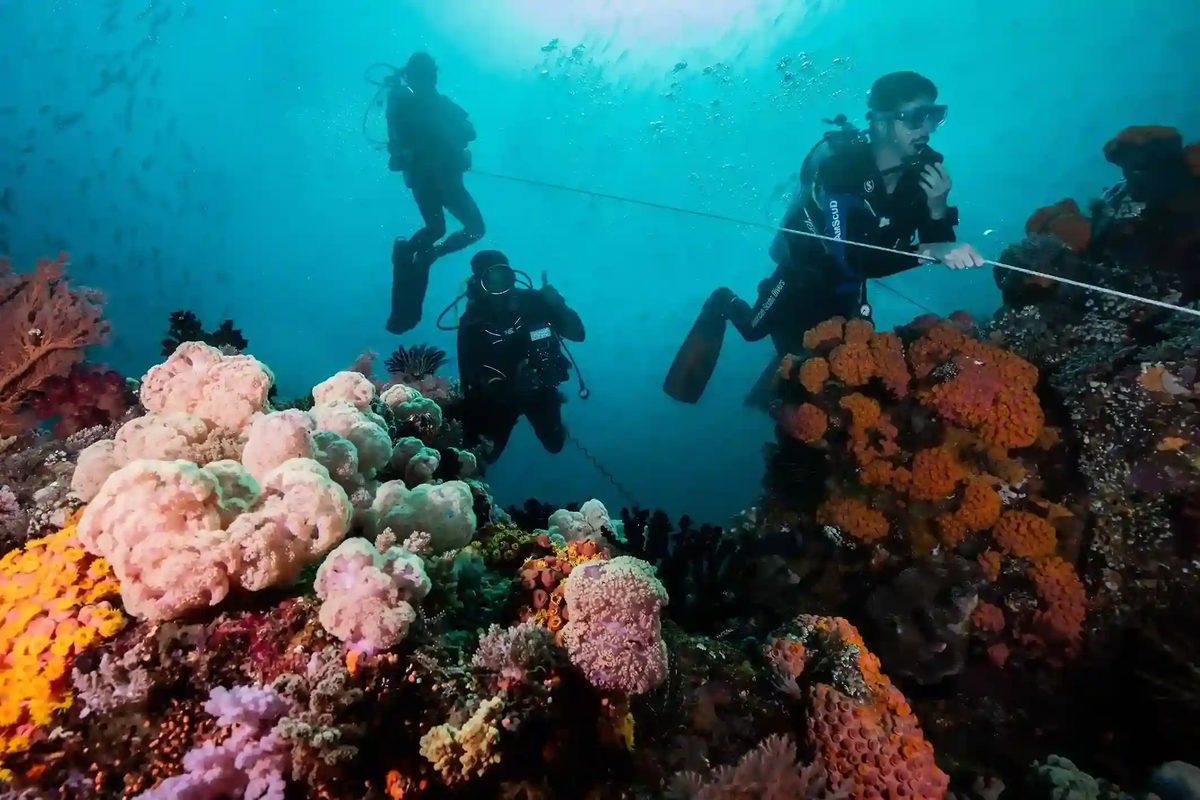
Timing the Perfect Dive: Komodo Diving Season 2026
Discover the best time for Komodo diving with insights on marine life, visibility, and the ideal liveaboard experience.
Read more →
Experience Komodo Without Diving: Luxury Yacht Charters for Non-Divers
Discover the magic of Komodo without diving, with luxury yacht charters tailored for non-divers and tailored comfort.
Read more →