
Why Komodo’s Underwater World Stands Out
Nestled in the heart of the Coral Triangle, Komodo National Park sits where marine biodiversity peaks. This region—spanning Indonesia, the Philippines, and Papua New Guinea—hosts the richest coral reefs on Earth, and Komodo is a thriving core of that network. Over 30 official dive sites scatter across the waters around Komodo, Rinca, and nearby islets, each offering distinct underwater landscapes.
You might glide above coral gardens bursting with anthias and pygmy seahorses, or hover near drop-offs where reef sharks patrol and manta rays somersault through plankton blooms. Healthy hard and soft corals blanket the seabed, sheltering everything from octopuses to bumphead parrotfish. It’s not just variety—it’s density. The water hums with life, making every dive feel like a deep conversation with the ocean.
For many, diving here transcends sightseeing. It’s the quiet awe of floating above a cleaning station as a manta tilts toward you, or the rush of a current-assisted drift past volcanic walls. This is why divers return year after year.
How Seasons Shape Your Diving Experience
Komodo follows a tropical rhythm defined by two main seasons: dry and rainy. Your dive quality hinges largely on which one you choose.
The dry season, running from April to December, delivers stable weather, minimal rainfall, and sea conditions ideal for diving. Visibility regularly hits 20 to 30 meters, sunlight pierces deep into the water column, and currents tend to be predictable. These months open access to nearly all dive sites, including those requiring precise timing with tidal flows.
In contrast, the rainy season—January to March—brings heavy downpours, gusty winds, and choppier seas. Visibility drops, currents turn erratic, and some sites become unsafe or inaccessible. While water temperatures remain warm year-round (26–29°C), the trade-offs in safety and enjoyment make this period less suitable for most divers. Planning outside these months ensures smoother operations and richer encounters.
Month-by-Month Guide to Diving Komodo
Not all months in the dry season offer the same experience. Each phase brings subtle shifts in marine behavior and sea conditions.
From April to June, visibility often peaks, making it ideal for macro photographers and first-time visitors. Reef sharks, turtles, and mantas are frequently spotted, and the seas are calm enough for relaxed dives at sites like Crystal Rock or Castle Rock. This window suits all certification levels.
July through September sees stronger currents roll in, drawing experienced divers seeking drift dives. Sites like Tatawa Besar and Batu Bolong come alive as nutrient-rich flows attract pelagics. These months demand solid buoyancy control and comfort in motion, but reward with high-energy encounters.
October to December maintains good conditions, though weather can become less consistent as the rainy season approaches. Manta sightings remain strong, especially around cleaning stations on Nusa Kode and Manta Point. It’s a smart choice for travelers wanting fewer crowds but still solid dive logistics.
Maximize Your Dive Adventure with a Liveaboard
To truly unlock Komodo’s underwater scope, a liveaboard tour is the most effective approach. Staying aboard a traditional phinisi vessel for several days lets you reach remote sites beyond day-trip range, like Sebayur or the untouched reefs near Padar.
Liveaboards offer flexible dive schedules—you can dive at first light, during tide changes, or under the stars. You’re not racing back to shore; you’re embedded in the rhythm of the sea. With expert dive masters onboard, briefings are tailored to real-time conditions, and safety protocols are consistently maintained.
Beyond diving, life on a phinisi blends comfort with authenticity. Spacious decks, private cabins, and chef-prepared meals turn your trip into a seamless journey. It’s not just about more dives—it’s about deeper immersion.
Smart Tips for a Smooth Diving Experience
Even with perfect timing, preparation makes the difference. Start by booking between April and December to align with optimal conditions. Choose a reputable liveaboard operator like Boat Komodo Trip to ensure professional guidance and well-maintained gear.
Physical readiness matters—currents can be strong, so maintain good fitness and refresh your skills if needed. Always check your equipment beforehand, especially regulators and buoyancy devices. Listen closely to dive briefings; local guides know how tides shift and where wildlife congregates.
Finally, dive responsibly. Avoid touching corals or chasing animals. Use reef-safe sunscreen and keep a respectful distance from mantas and turtles. These habits protect the ecosystem you’ve traveled to see.
Frequently Asked Questions
When is the rainy season in Komodo, and why should divers avoid it?
Are manta rays visible year-round in Komodo?
Is Komodo suitable for beginner divers?
Why choose a liveaboard over day trips in Komodo?
Related Blog Posts
Best Time to Sail in Komodo National Park 2026
Discover the ideal months to sail Komodo National Park in 2026. Maximize diving, wildlife, and calm seas with expert…
Read more →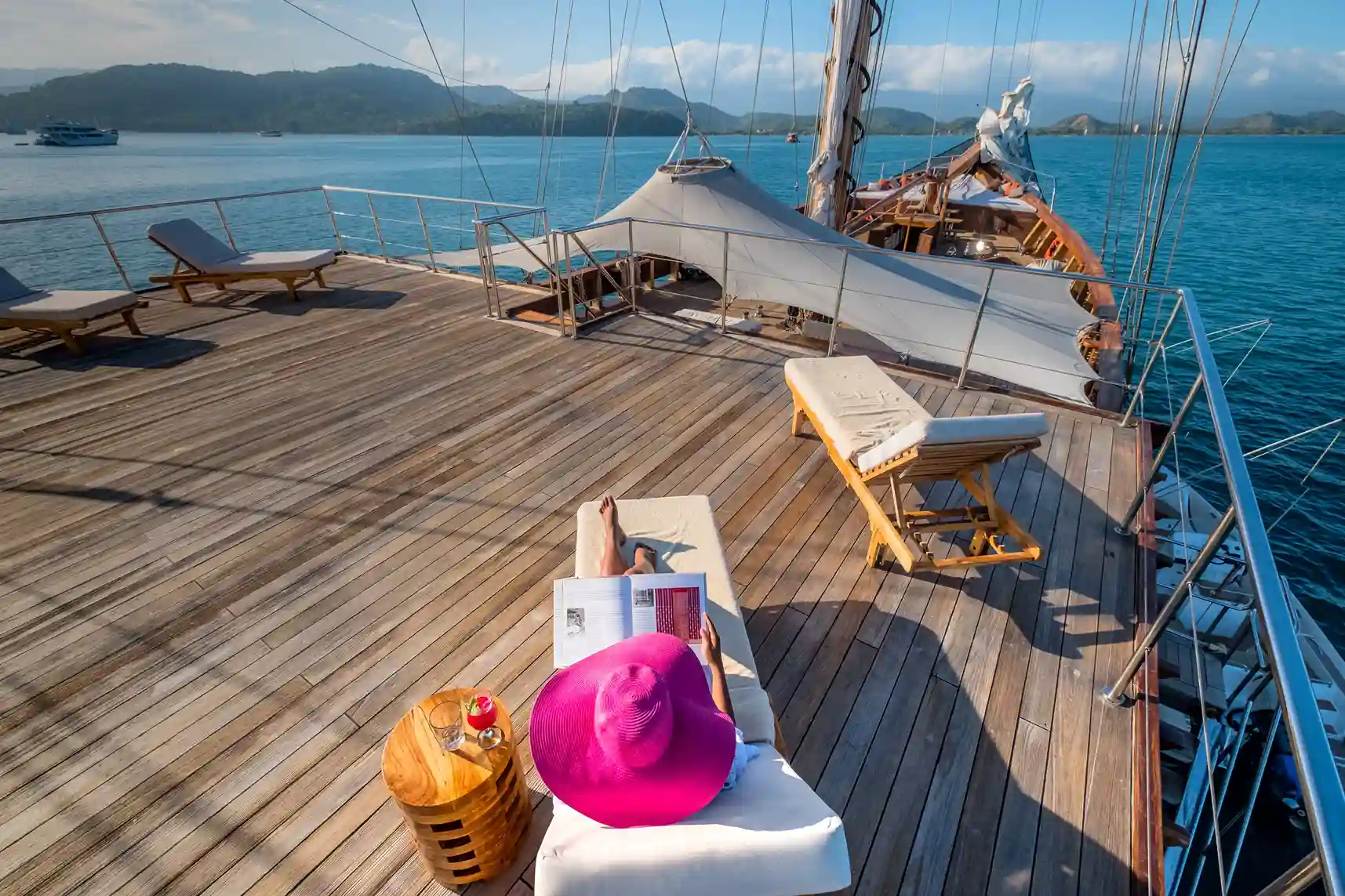
Best Time for Liveaboard in Komodo 2026
Discover the best time for liveaboard in Komodo with Boat Komodo Trip. Plan your ultimate Komodo tour and enjoy…
Read more →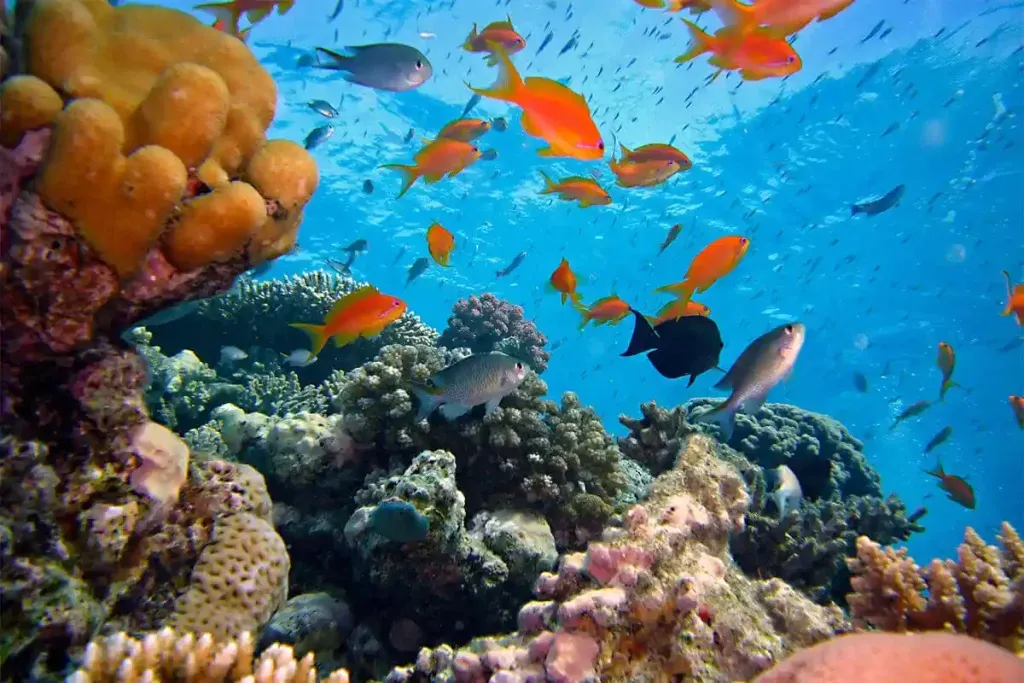
Komodo Island Diving: Explore the Best Dive Spot in Komodo
Discover the best dive spot in Komodo Island, Indonesia, with crystal-clear waters and an incredible array of marine…
Read more →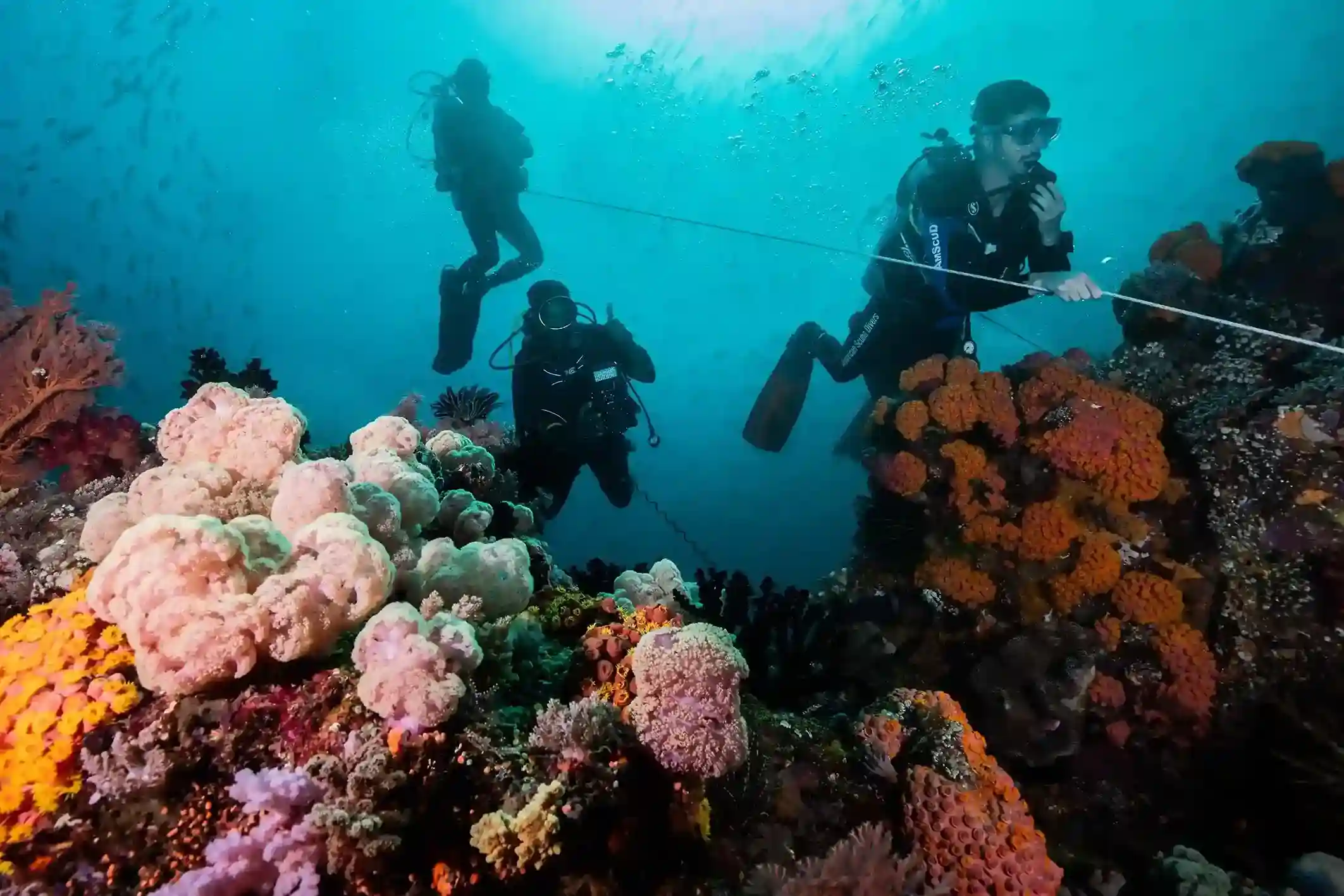
Komodo Diving Season 2026: Timing the Perfect Dive
Discover the best time for Komodo diving in 2026 with insights on marine life, visibility, and the ideal liveaboard…
Read more →
How to Travel to Komodo Island 2026 – Visit Komodo National Park
Discover the ultimate guide to traveling to Komodo Island in 2026, including the best time to visit, how to get there,…
Read more →