
Why Manta Point Feels Like Magic
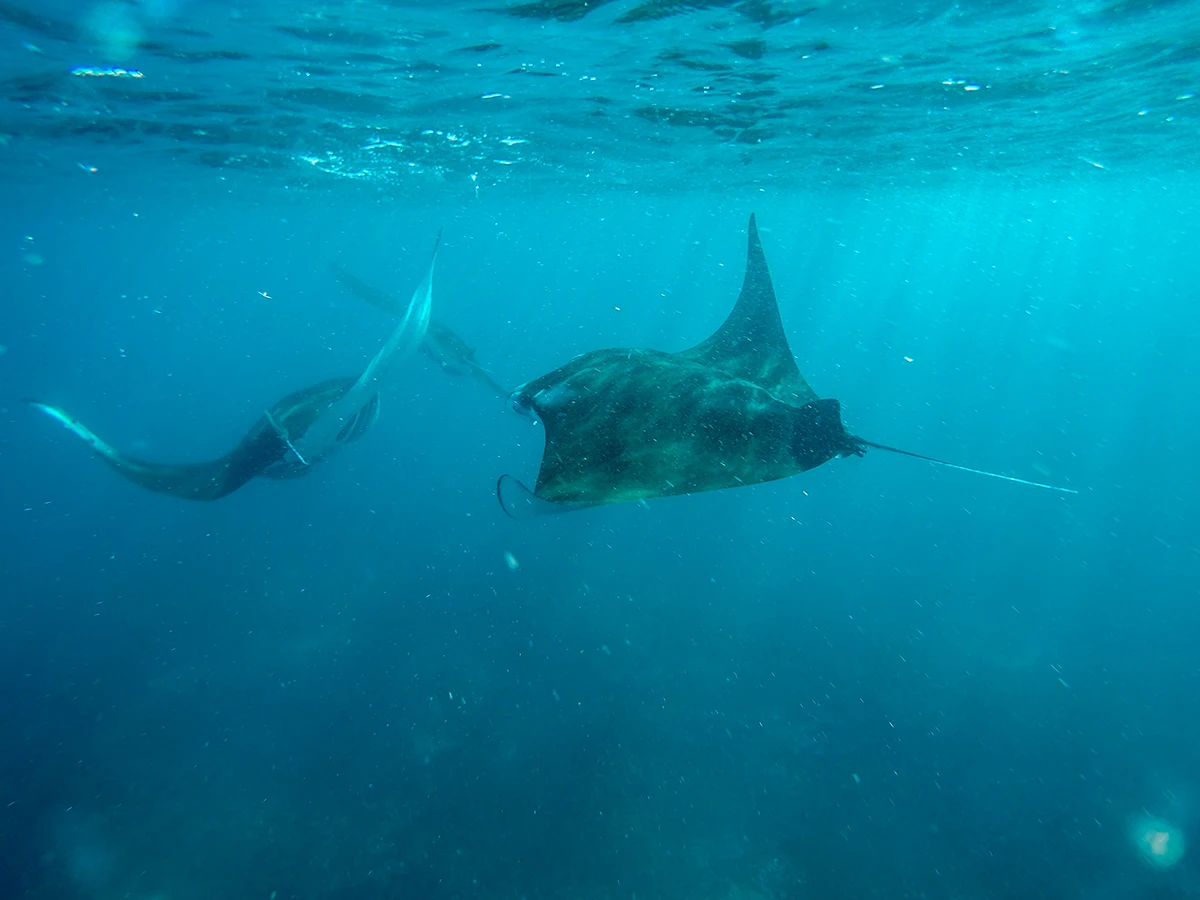
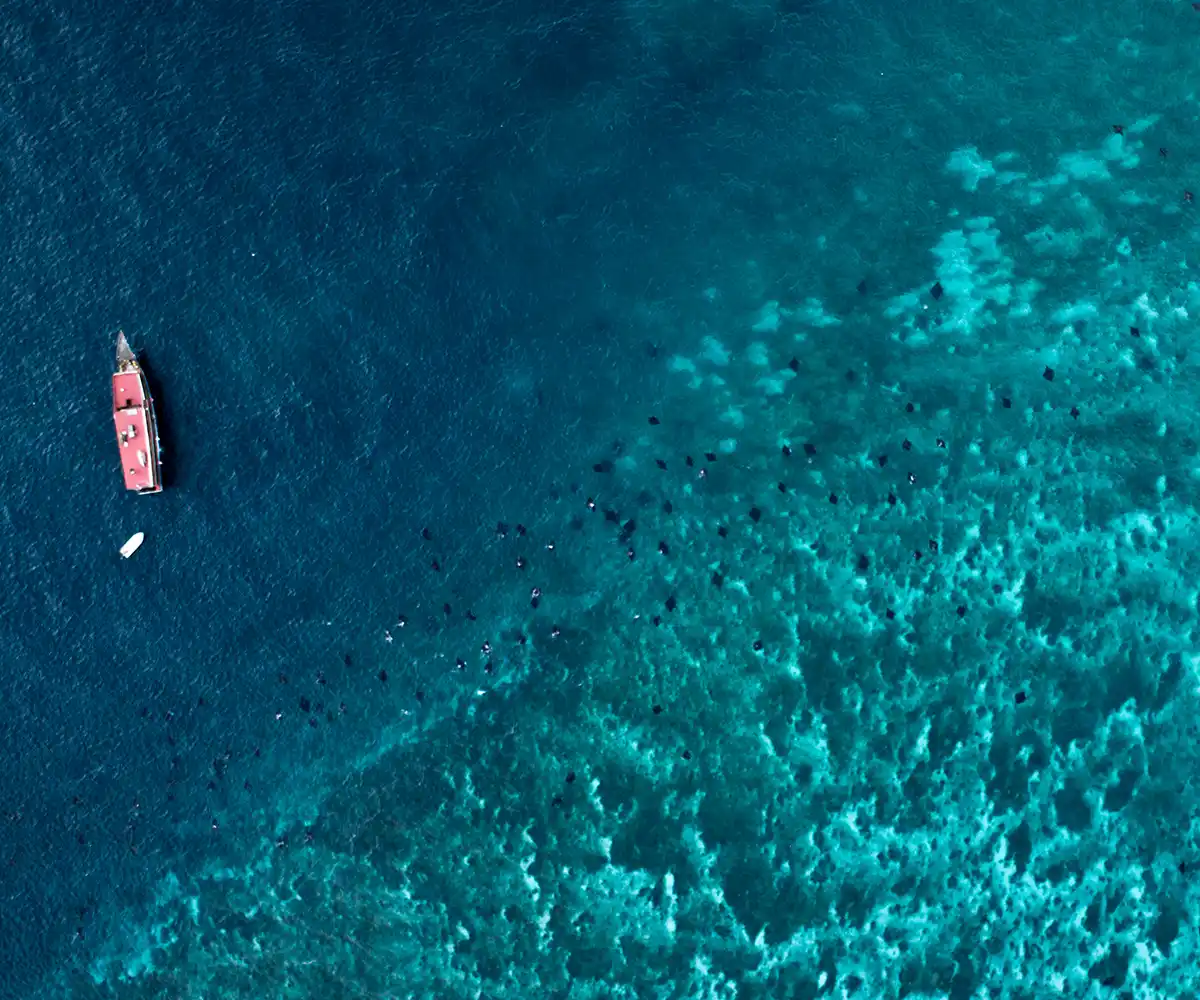
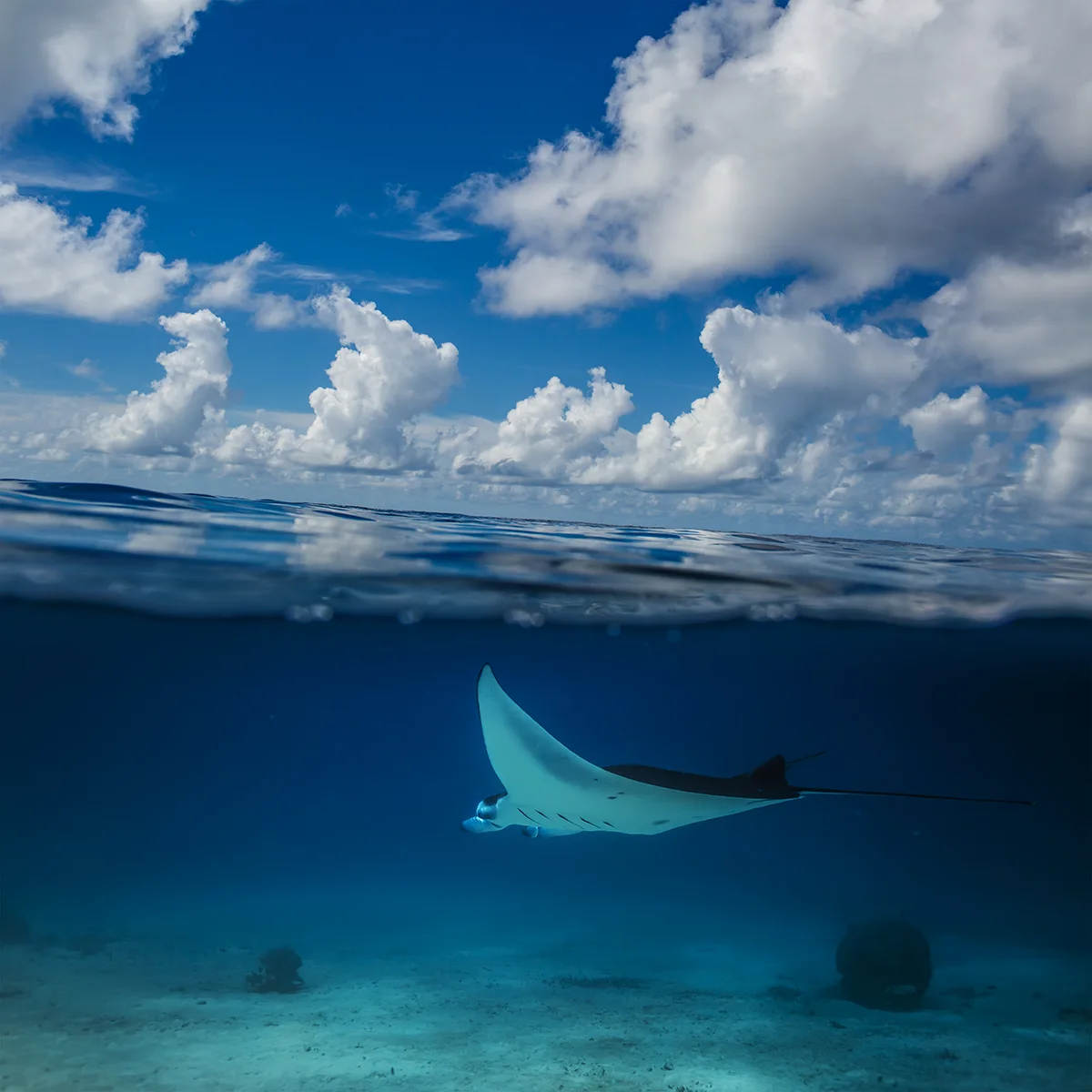
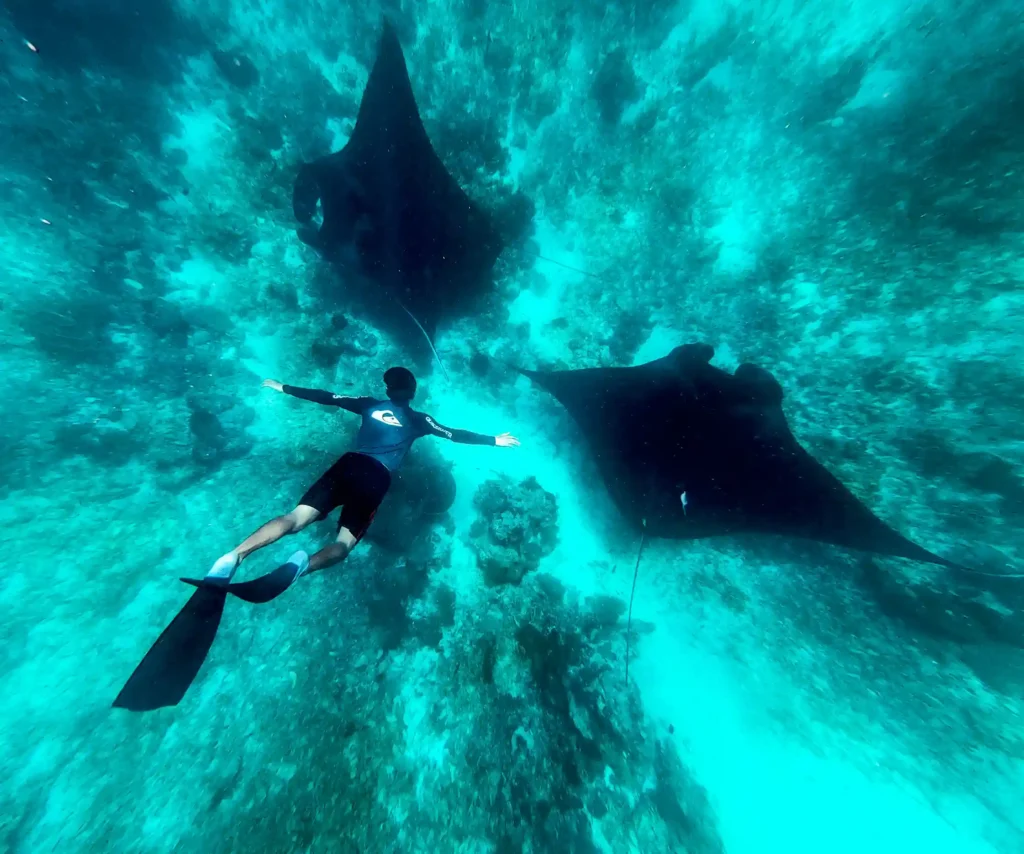
Manta Point lies within the protected waters of Komodo National Park, where ocean currents funnel nutrient-rich water through the channel. This feeds vast clouds of plankton—drawing in one of the ocean’s most majestic filter feeders. Manta rays, some reaching wingspans of up to 4 meters, glide effortlessly through the blue, their wingtips rippling like dark silk. They’re curious, calm, and often linger near snorkelers, circling with gentle intelligence.
The reef here slopes gently from 2 to 9 meters, making it ideal for both beginner and experienced snorkelers. Around you, the ecosystem thrives—giant clams gape open, cuttlefish dart between sponges, and eagle rays skim the sandy floor. You might even spot reef sharks or turtles passing through. It’s not just about the mantas; it’s about being immersed in a living, balanced underwater world.
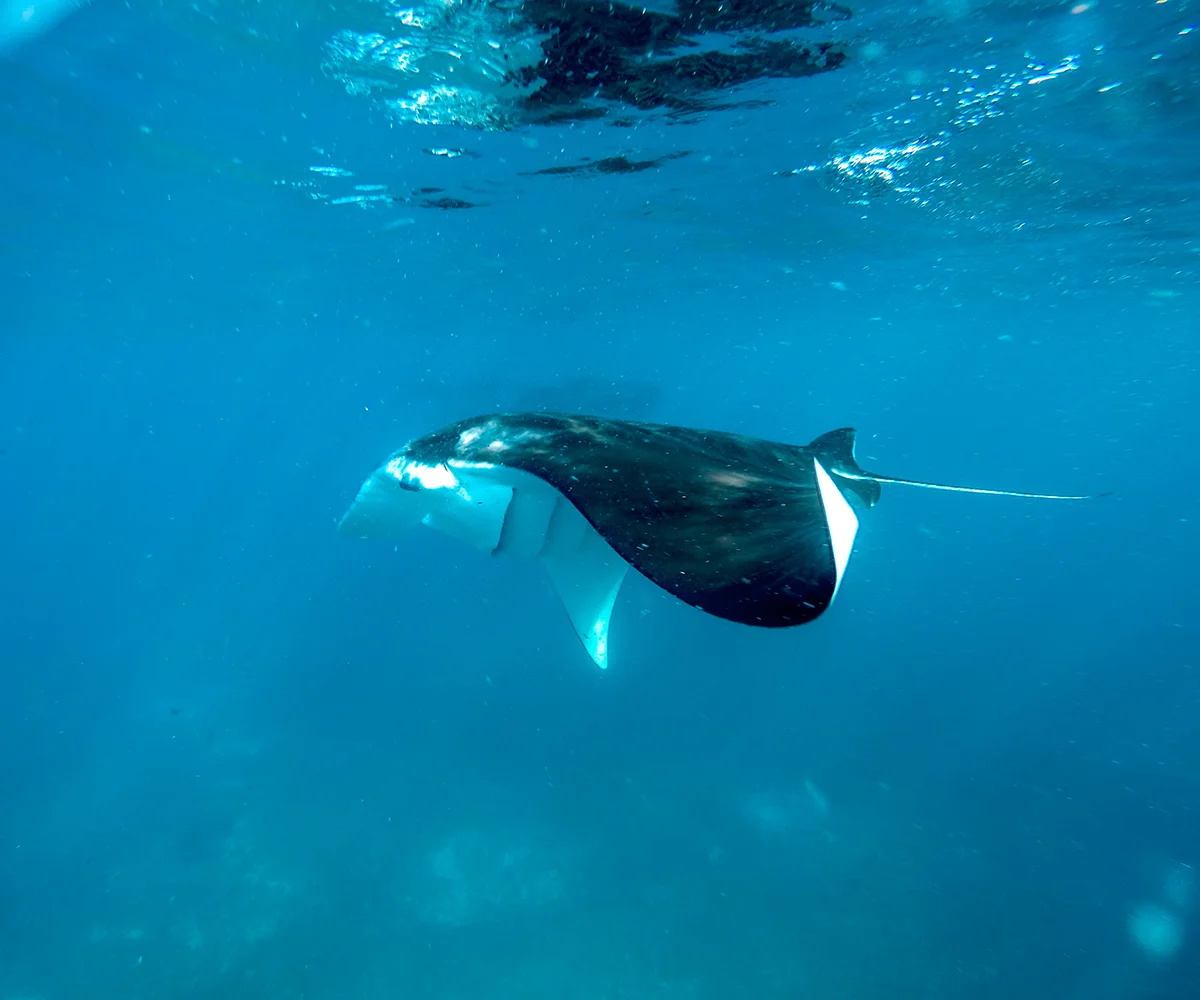
Snorkeling with Mantas on a Liveaboard
On a Komodo liveaboard with Boat Komodo Trip, Manta Point is more than a stop—it’s a highlight. After exploring Komodo Island’s famous dragon trails or hiking Padar for panoramic views, the boat glides into this sheltered channel. Within minutes, guests are in the water, floating quietly as mantas emerge from the deep.
These animals aren’t startled by humans. In fact, they often approach out of curiosity. Watching them barrel-roll to feed, their gill slits filtering plankton, feels like witnessing something ancient and pure. While jellyfish can drift through the area—so a rash guard is wise—the rewards far outweigh the caution. For many, this silent dance with a wild giant becomes the emotional core of their trip.
How to Reach Manta Point and What to Expect
Manta Point is accessible only by boat, typically included in multi-day sailing itineraries departing from Labuan Bajo. There are no roads, no crowds on foot—just the rhythm of the sea and the itinerary crafted by experienced operators. The most fulfilling way to visit is through a 3-day, 2-night tour, allowing time to explore not just Manta Point but also Pink Beach, Kelor, Padar, and Kalong Island at sunset.
Boat Komodo Trip offers three flexible options: private charters for intimate groups, open-share trips for solo travelers or couples seeking connection, and full-day speedboat excursions for those with limited time. While sightings aren’t guaranteed—nature decides the day—your odds rise significantly on longer trips that allow repeated visits to feeding zones when currents are strong.
Gallery
Frequently Asked Questions
Are manta rays dangerous to swim with?
When is the best time to see manta rays at Manta Point?
Do I need to be a strong swimmer to snorkel at Manta Point?
Is Manta Point part of a protected area?
Related Blog Posts
Manta Ray Season in Komodo: The Best Time to See Manta Rays at Komodo…
Plan your Komodo Island tour with Boat Komodo Trip and experience the best time to see manta rays in their natural…
Read more →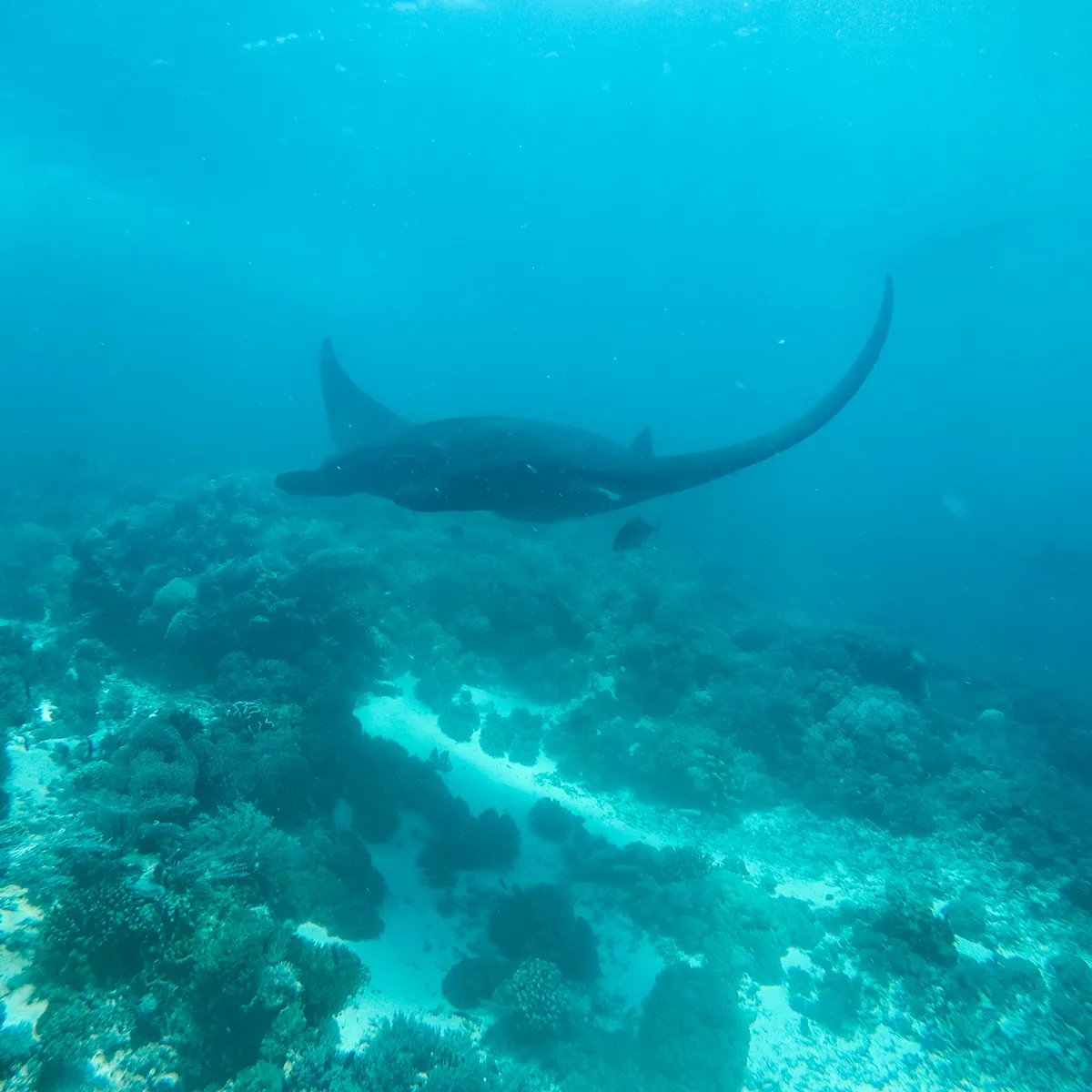
Where to See Manta Rays in Indonesia While Snorkeling and Diving
Swim with gentle giants in Indonesia’s top manta ray habitats. Discover where and when to see them while snorkeling or…
Read more →
Navigating Labuan Bajo: Your Starting Point for Komodo Tours
Explore Labuan Bajo, the main gateway to Komodo National Park, and discover its must-visit attractions, accessibility…
Read more →
Explore Komodo Island Top Activities to Enjoy
Discover the top things to do in Komodo Island, including meeting Komodo dragons, trekking to Padar Island, and…
Read more →3D2N Komodo Boat Tour from Bali: Luxury Cruise Through Komodo…
Maximize your time with a 3D2N Komodo boat tour from Bali. Explore dragons, pink beaches, and manta rays aboard a…
Read more →