
Snorkeling with Boat Komodo Trip
The magic of Indonesia’s marine world reveals itself the moment you slip beneath the surface. With Boat Komodo Trip, every snorkeling stop is chosen for clarity, biodiversity, and ease of access — whether you’re gliding beside a manta ray or drifting over coral gardens.
Komodo National Park: Reefs Among the Dragons
Komodo National Park is renowned for its namesake lizards, but its underwater realm rivals the drama above. The same currents that nourish the islands sustain thriving coral ecosystems around Komodo, Rinca, and Padar. Water temperatures remain warm year-round, and visibility often exceeds 20 meters, making it ideal for all skill levels — from first-time snorkelers to seasoned swimmers.
Pink Beach stands out not just for its blush-hued sand — a rare phenomenon caused by red coral fragments — but for the lively reef just offshore. Here, you’ll spot clownfish darting through anemones, parrotfish grazing on coral, and green turtles cruising the drop-off. The site is easily accessed from the beach, with gentle entry points on calm days.
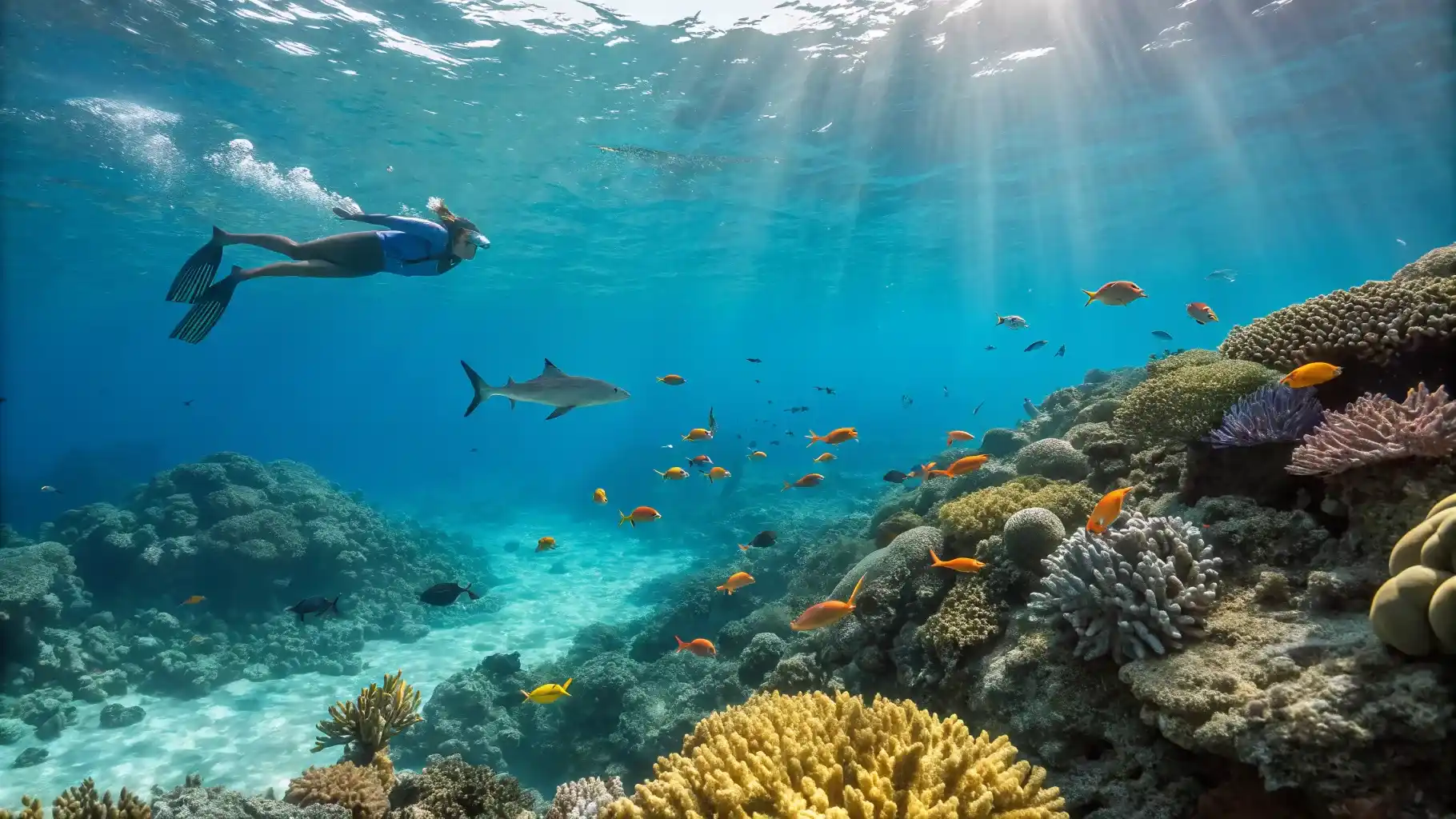
Kanawa Island offers another shore-based opportunity with rich coral formations beginning just a few meters from the sand. Schools of fusiliers and anthias shimmer in the sunlight, while hawksbill turtles navigate the reef channels. On rare occasions, blacktip reef sharks patrol the outer edges — a thrilling but non-threatening sight.
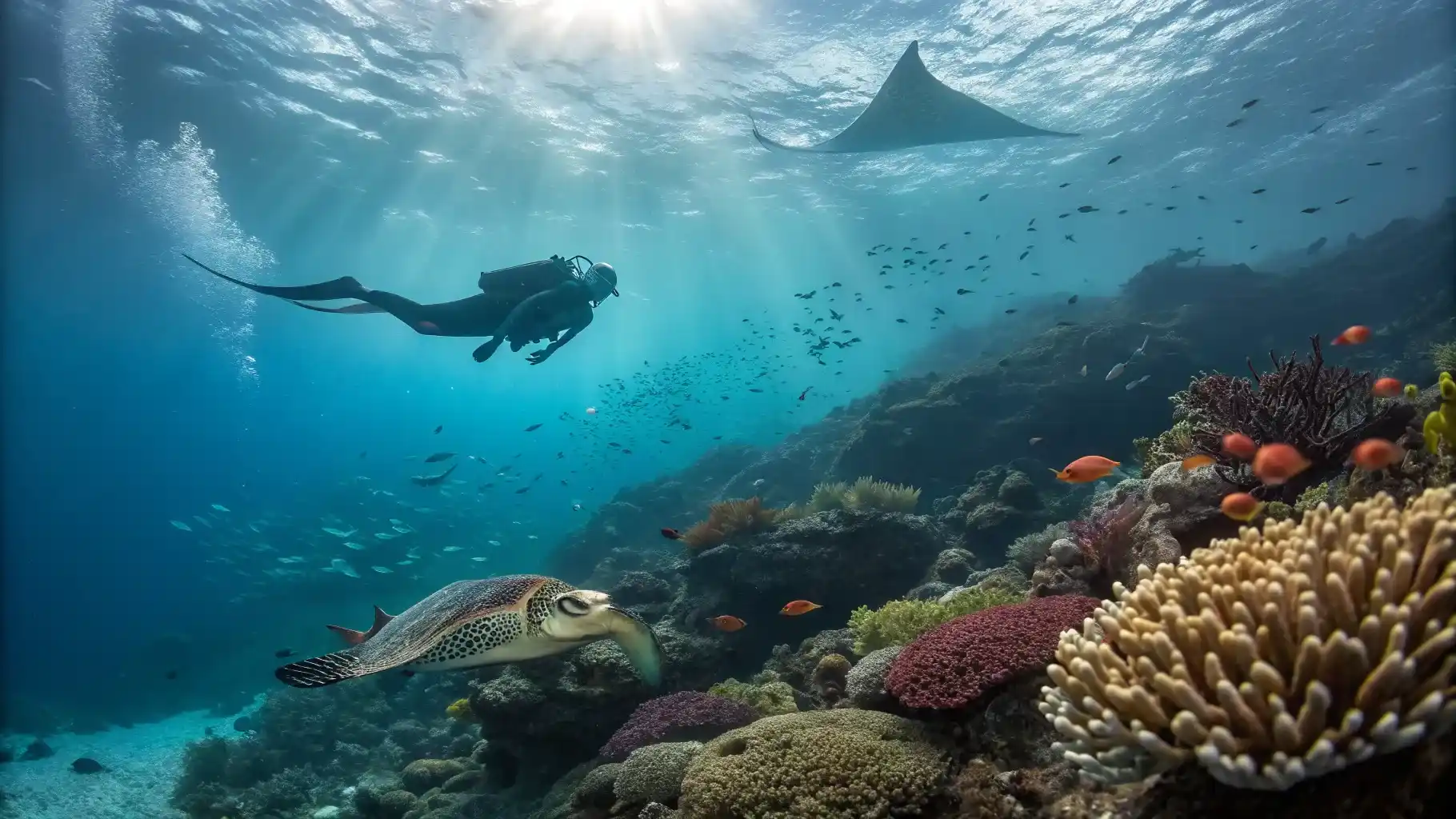
Taka Makassar, a submerged sandbank northwest of Komodo, is one of the best places in the park to encounter manta rays. These graceful filter feeders gather here to be cleaned by reef fish, circling slowly in clear blue water. Snorkelers float at the surface while guides position the boat to maximize viewing, ensuring minimal disturbance to the animals.
Raja Ampat: The Crown Jewel of Coral Diversity
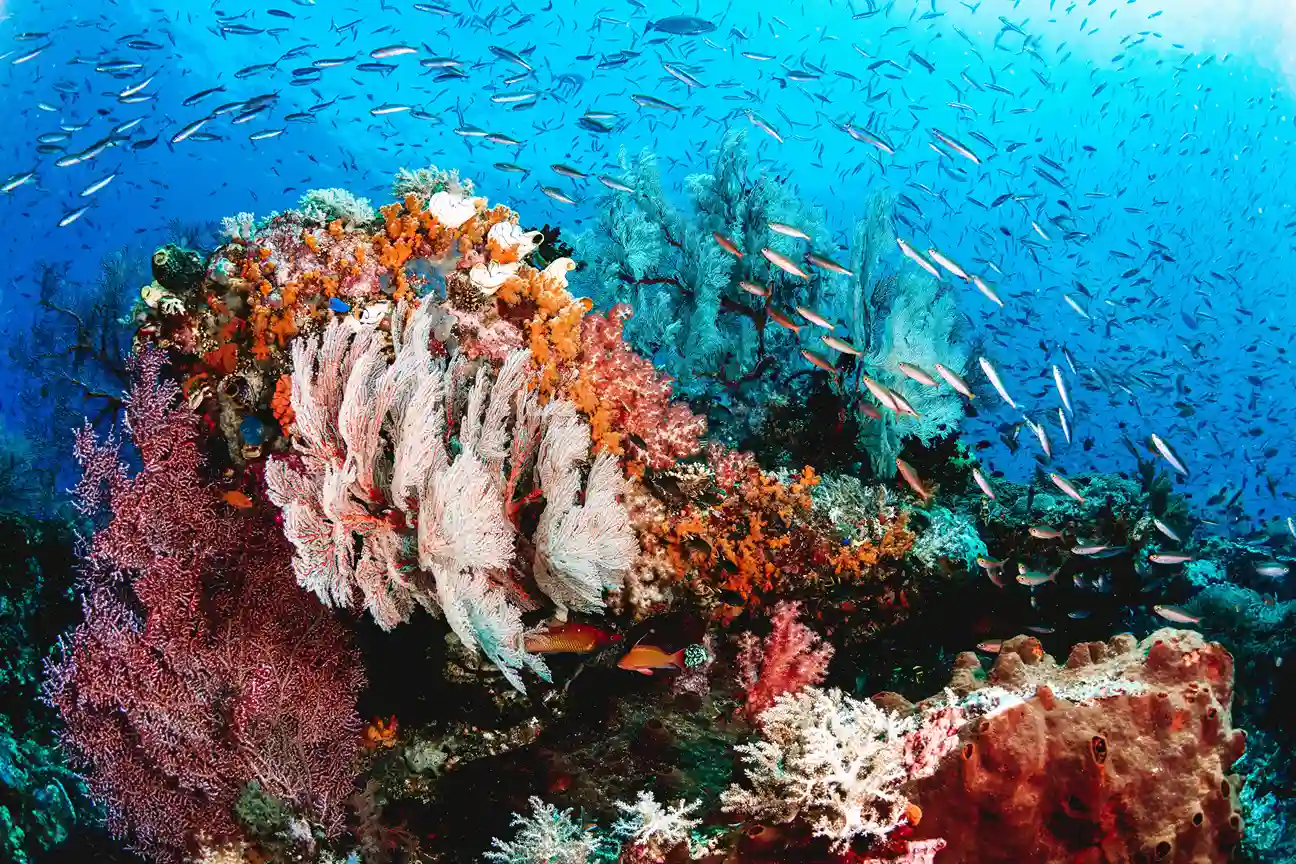
Raja Ampat, off the northwest tip of West Papua, sits at the epicenter of the Coral Triangle — the most biodiverse marine region on Earth. It hosts over 1,300 species of reef fish and more than 600 types of coral, many found nowhere else. The area’s isolation has preserved its ecosystems, resulting in reefs so vibrant they appear painted.
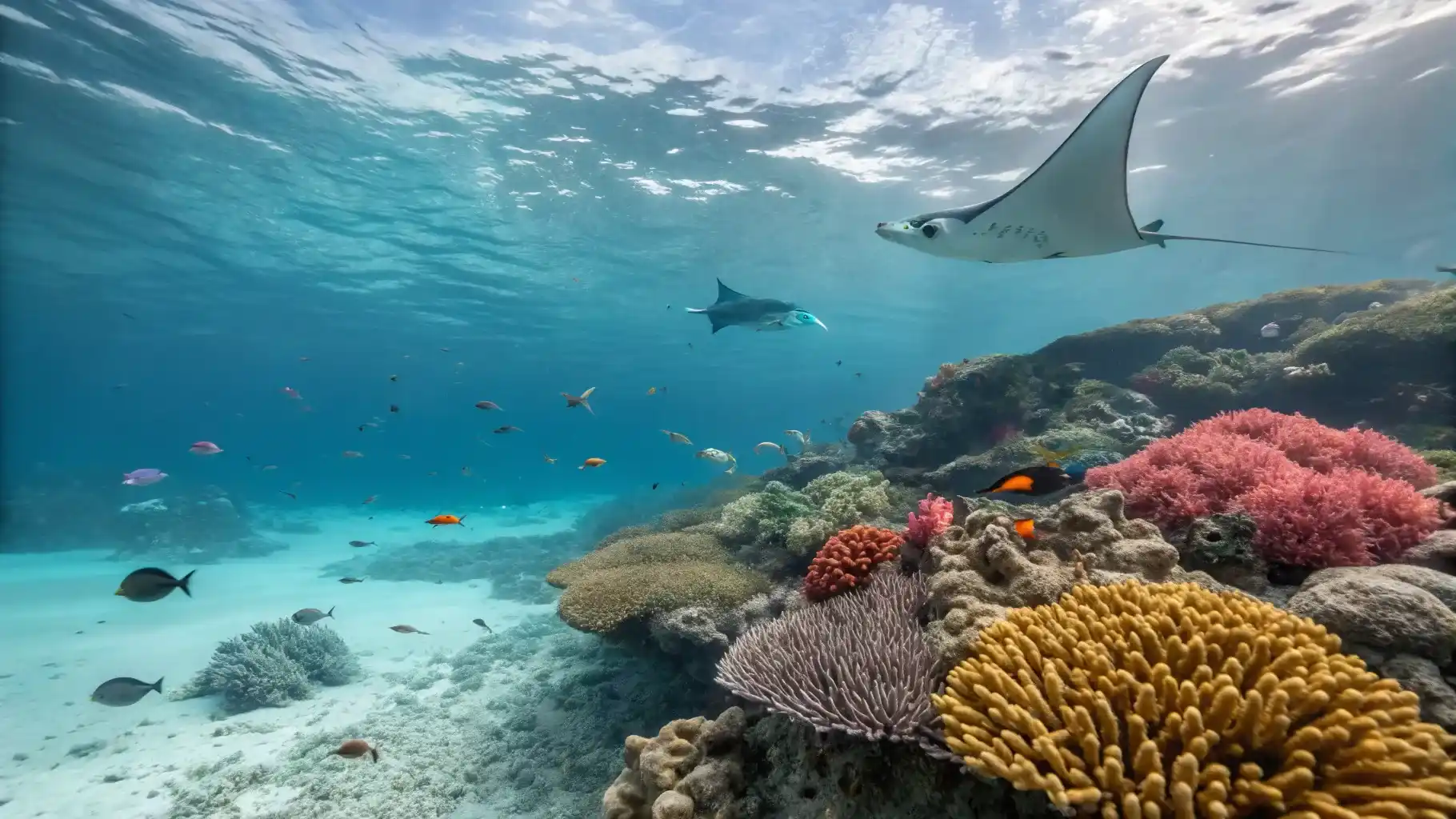
Manta Sandy is a celebrated cleaning station where snorkelers regularly witness multiple manta rays in a single session. These gentle giants, some spanning over 4 meters, glide effortlessly as wrasses and butterflyfish remove parasites. The experience is awe-inspiring yet serene, with mantas showing no aggression toward humans.
Cape Kri, though famed among divers, offers excellent snorkeling just below the surface. Large schools of jacks and barracuda swirl above coral bommies, while Napoleon wrasse and reef sharks patrol the deeper edges. The reef structure is complex and healthy, with soft corals waving in the current.
Yenbuba presents a different kind of wonder — a muck-snorkeling site where the seafloor teems with tiny, unusual creatures. Pygmy seahorses, flamboyant cuttlefish, and nudibranchs in electric hues hide among rubble and sea fans. It’s a favorite for photographers and curious swimmers who enjoy spotting the unexpected.
Beyond the Main Islands: Hidden Snorkeling Frontiers
For travelers seeking quieter waters and lesser-known sites, Indonesia’s remote regions deliver extraordinary encounters. Alor and Maumere, nestled in East Nusa Tenggara, are emerging destinations where strong currents bring nutrients that fuel rich marine life. The Pantar Strait, in particular, is a biological hotspot — cold upwellings mix with warm surface water, attracting everything from sea turtles to pelagic fish.
Shark Plateau, near Alor, lives up to its name with frequent sightings of reef sharks patrolling the coral ridges. But it’s not just predators — the reef itself is dense with hard and soft corals, home to anthias, damselfish, and occasional manta rays. Entry is best done with a guided float from the boat, as currents can vary.
The Banda Islands, once the epicenter of the global spice trade, now lure snorkelers with crystal-clear lagoons and historic charm. Banda Neira’s volcanic slopes plunge into water so clear you can see reef details from the surface. Healthy stands of staghorn coral shelter reef sharks and large schools of emperors.
Nearby Run and Hatta Islands offer more secluded experiences. Run’s calm bays are perfect for beginners, with shallow reefs and curious fish. Hatta, less visited, boasts pristine coral gardens and regular turtle sightings. Snorkelers here often have entire bays to themselves — a rare luxury in popular destinations.
Triton Bay and Kaimana in West Papua are gaining recognition for one of the ocean’s rarest experiences: swimming with whale sharks. These gentle giants, the world’s largest fish, appear seasonally, feeding on surface plankton. Snorkelers enter quietly from the boat, observing at a respectful distance. The encounter is fleeting but unforgettable — a massive silhouette moving through dappled sunlight.
Gallery
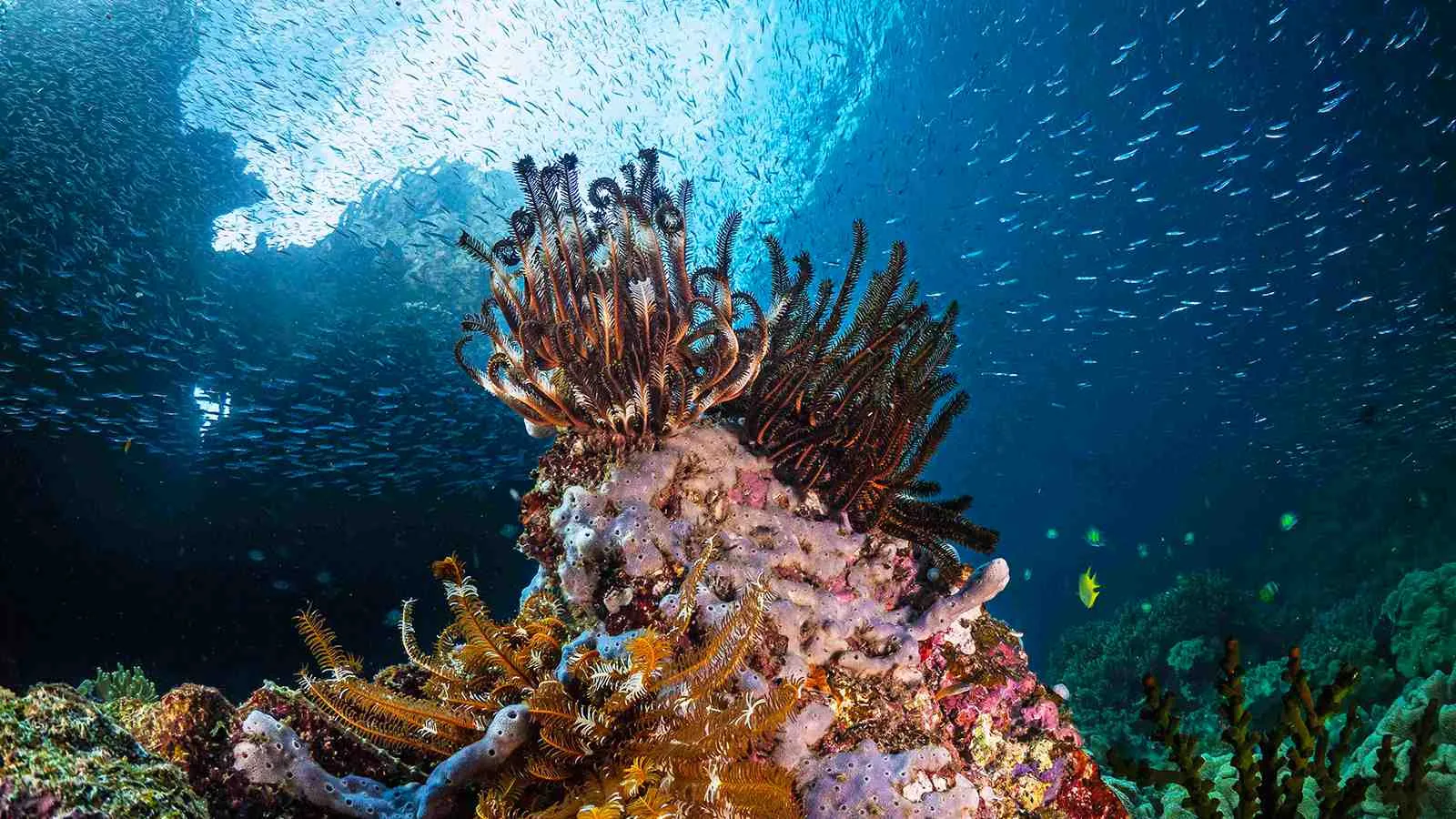
Pricing
Rates as published on our legacy listing. Contact us for current availability, seasonal rates, and private-charter offers.
| Category | Price |
|---|---|
| 7D6N Komodo Tour From Mill | IDR 60.5 |
| 9D8N Komodo Tour From Mill | IDR 60.5 |
| 11D10N Komodo Tour From Mill | IDR 60.5 |
| 9D8N Raja Ampat From | USD 6.400 |
| 7D6N Raja Ampat From | IDR 86.190.000 |
Frequently Asked Questions
Is snorkeling suitable for beginners?
Do I need to bring my own snorkeling gear?
Are there strong currents at snorkeling sites?
Can I snorkel if I’m not a strong swimmer?
Plan Your Snorkeling Journey
Our charter specialists reply on WhatsApp within minutes — typically during waking hours WITA.
WhatsApp +62 851-9009-6797