
When Can You See Mantas in Komodo?
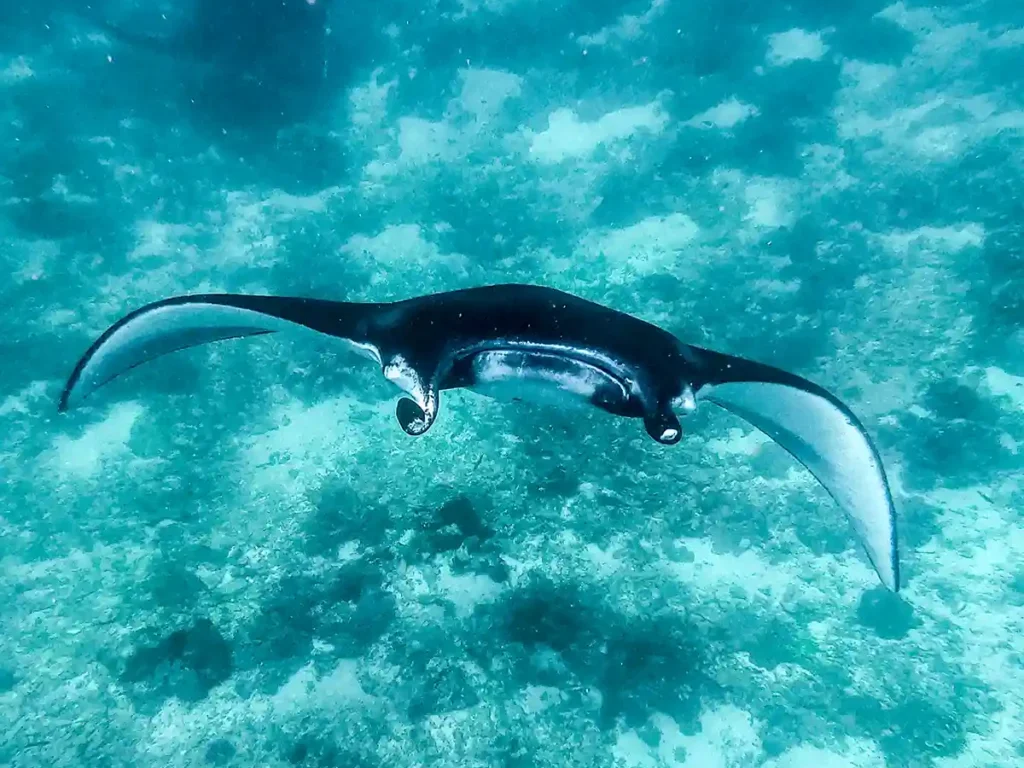
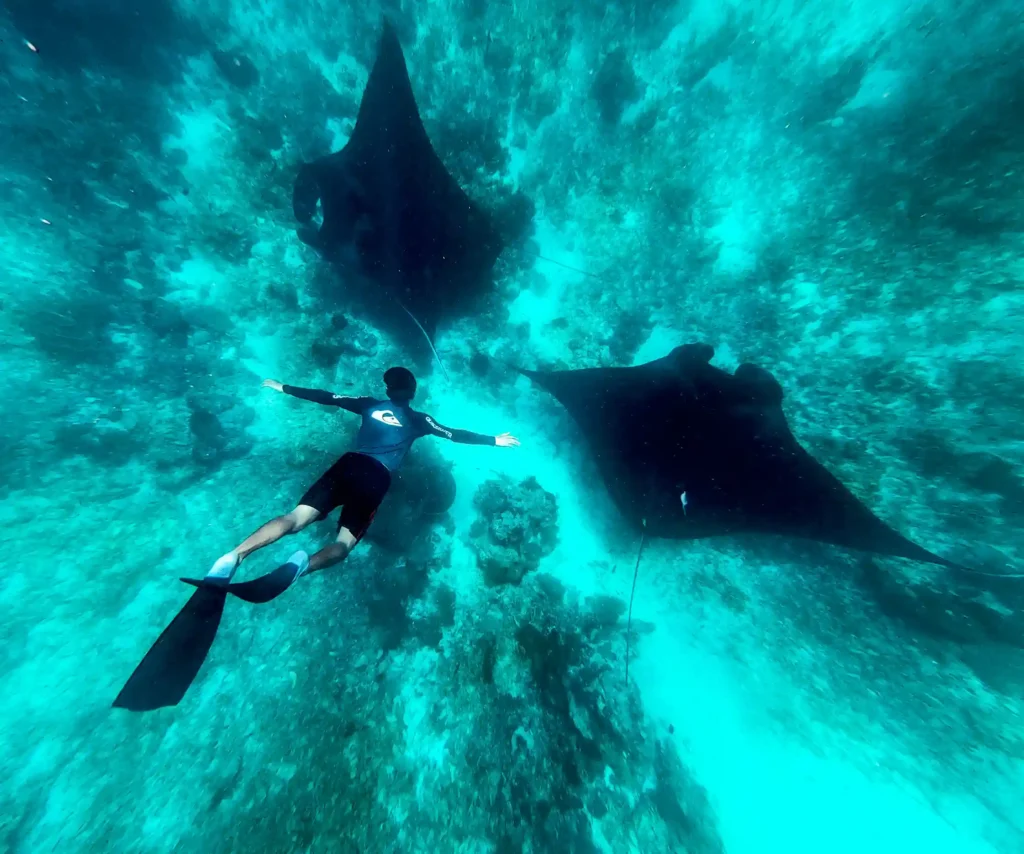
Manta rays can be spotted almost all year round in Komodo's waters, but their activity depends heavily on ocean currents and the season. The best time to see manta rays is during the dry season, from April to May and August to September, when the weather and sea conditions are more stable, increasing your chances of encountering groups of friendly and graceful manta rays.
Gallery
Frequently Asked Questions
Where Can You See Mantas in Komodo?
When Can You See Mantas in Komodo?
What Is the Best Time to Visit Manta Point?
What Are the Best Tips for Seeing Manta Rays in Komodo?
Related Blog Posts
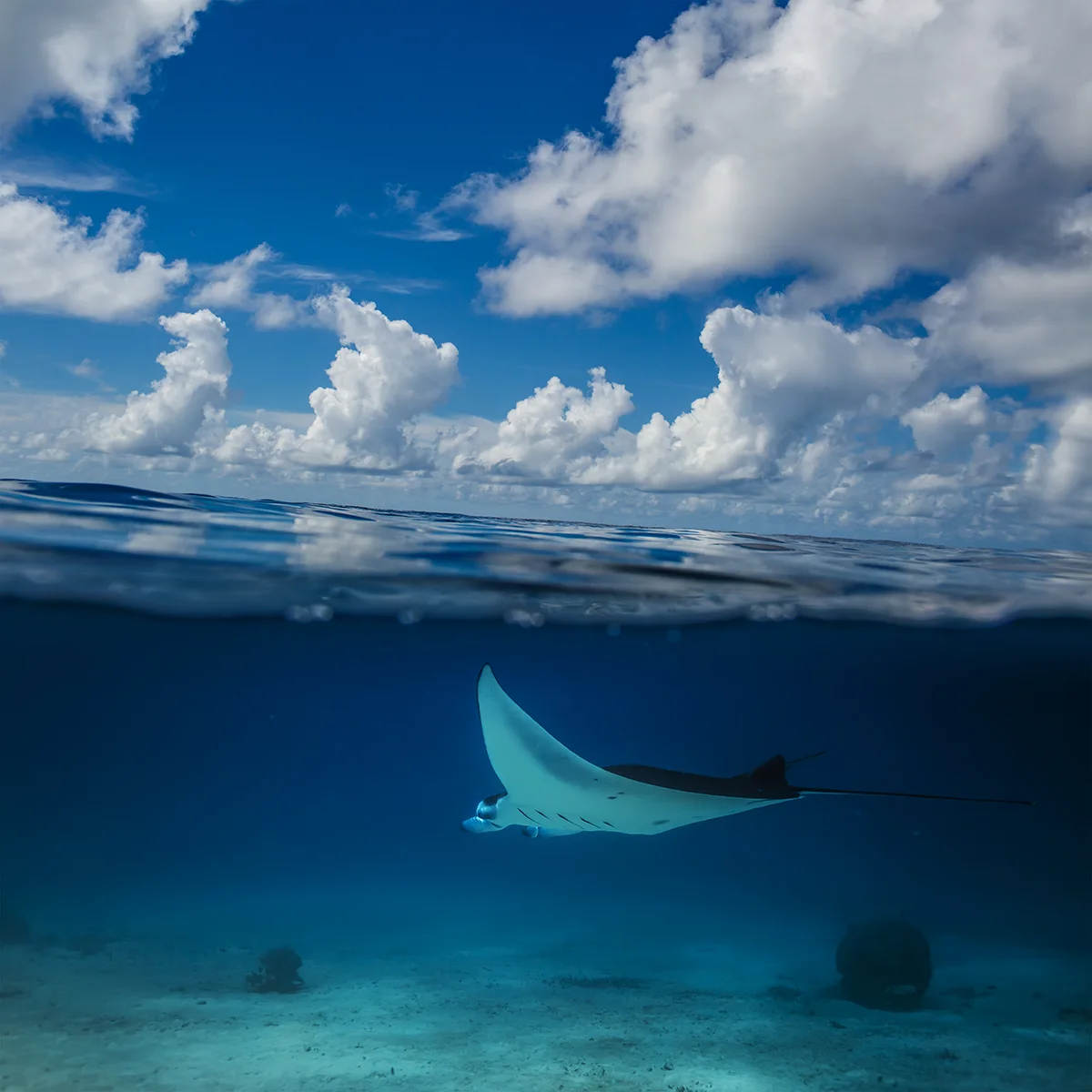
Manta Point Komodo, Meet The Manta Rays
Experience the magic of Manta Point Komodo—where graceful manta rays glide through healthy reefs. Plan your snorkel…
Read more →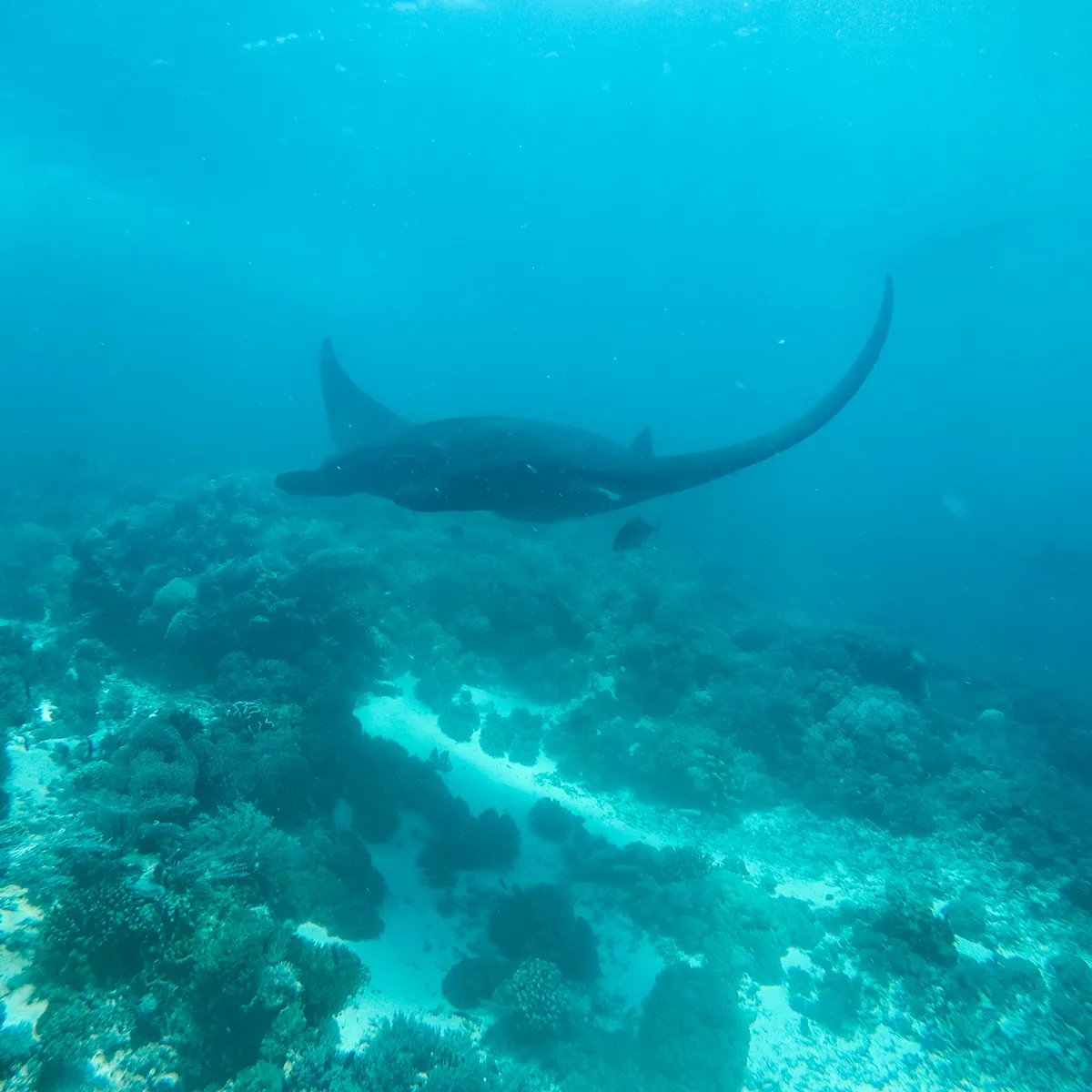
Where to See Manta Rays in Indonesia While Snorkeling and Diving
Swim with gentle giants in Indonesia’s top manta ray habitats. Discover where and when to see them while snorkeling or…
Read more →
Best Time to Visit Raja Ampat
Plan your Raja Ampat trip with confidence. Discover the ideal months for diving, manta encounters, and island…
Read more →Best Time of Day to See Komodo Dragons
Maximize your chances of spotting active Komodo dragons. Join Boat Komodo Trip's early morning tours for safe, guided…
Read more →Best Time to Visit Flores Island
Discover the best time to visit Flores Island for an unforgettable adventure! Book your Komodo Island tour with Boat…
Read more →