
Top 5 Snorkeling Locations in Komodo
Komodo National Park isn’t just home to the legendary Komodo dragon—its waters pulse with color, movement, and life. From shallow coral gardens to dramatic drop-offs, each snorkeling site offers a distinct underwater portrait. Whether you're drifting above schools of batfish or watching a manta ray glide past, these spots define why this region ranks among the world’s most celebrated marine sanctuaries.
What sets these locations apart isn’t just biodiversity—it’s accessibility. Many sites lie within a short boat ride from Labuan Bajo, making them ideal for day trips or multi-day sailing adventures aboard a traditional Phinisi. Here are five places where the reef tells a story, and every swim feels like discovery.
1. Kanawa Island – Coral Gardens and Clear Shallows
Just 35 minutes by boat from Labuan Bajo, Kanawa Island greets you with white sand beaches and water so clear you can spot fish from the surface. The coral reefs here slope gently, making them perfect for relaxed snorkeling. You’ll find parrotfish nibbling at coral, sea turtles gliding between patches of hard coral, and the occasional reef shark patrolling the outer edges.
Because of its proximity and reliable conditions, Kanawa is often the first stop on a Komodo snorkeling itinerary. The site welcomes all skill levels, and the calm waters mean even first-time snorkelers can enjoy extended time on the surface.
2. Siaba Besar – Where Turtles Gather
Known locally as Turtle City, Siaba Besar lives up to its name. This small island in the central park zone hosts a resident population of green sea turtles that frequent the reef for cleaning and feeding. The currents here are mild, creating an ideal environment for beginners and underwater photographers alike.
The reef structure features ledges and overhangs where angelfish and butterflyfish dart in and out. If you float quietly, you might see a turtle resting on the sandy bottom or two males sparring playfully near the surface. It’s one of the most consistent spots in the park for turtle encounters.
3. Tatawa Besar – A Macro and Pelagic Mix
Tatawa Besar delivers both wide-angle drama and tiny treasures. The reef slopes from the surface down into deeper blue, hosting everything from schooling batfish to blacktip and whitetip reef sharks. Mantas are occasionally seen here, especially during incoming tides.
But look closer, and you’ll find the real gems: nudibranchs curled on coral, candy crabs clinging to branches, and frogfish perched like sentinels. Bring a macro lens if you have one—this site rewards patience and sharp eyes.
4. Batu Bolong – For Experienced Snorkelers
Batu Bolong, meaning 'Hollow Rock', is a submerged pinnacle rising from deep water. Strong currents funnel nutrients here, attracting jacks, barracuda, and reef sharks. The coral is thick and healthy, draped over vertical walls and bommies that break the surface.
Due to the current, this site is best suited for confident swimmers. You’ll need to stay close to your guide and be prepared for drift snorkeling. But the payoff—being surrounded by swirling fish and passing predators—is unmatched in the park.
5. Manta Point – Swim with Gentle Giants
At Manta Point, also known as Makassar Reefs, the stars of the show are the reef mantas. These graceful animals, some over three meters wide, come to cleaning stations where small fish pick parasites from their bodies. Snorkelers float above while mantas circle below, often pausing to inspect curious onlookers.
Encounters here are frequent and intimate. The mantas are used to humans and often approach closely. It’s a humbling experience—watching an animal of such size and intelligence move with silence and grace.
Best Time to Snorkel in Komodo
While snorkeling is possible year-round, the dry season—from April to June and September to November—offers the best conditions. Calm seas, steady visibility (often exceeding 20 meters), and stable weather make these months ideal for underwater exploration.
Water temperatures hover between 26–29°C (79–84°F), so a light rash guard is usually sufficient. July and August bring stronger winds and slightly rougher seas, which can affect access to some sites. The wet season (December–March) sees fewer boats, but conditions can be unpredictable.
Essential Snorkeling Tips for Komodo
Planning ahead ensures you get the most out of your time in the park. First, book your trip early—popular boats and dates fill up months in advance, especially during peak season. Choose a reputable operator like Boat Komodo Trip, which follows park regulations and prioritizes guest safety and marine conservation.
Most tours include gear, but bringing your own mask can improve comfort and fit. Apply reef-safe sunscreen at least 30 minutes before entering the water, and avoid touching or standing on coral. Finally, listen to your guide—they know the tides, currents, and where the wildlife is most active.
Frequently Asked Questions
Is snorkeling in Komodo safe for beginners?
Do I need to bring my own snorkeling gear?
Can I see manta rays while snorkeling?
Are there age restrictions for snorkeling in Komodo?
Related Blog Posts
Best Snorkeling in Indonesia: 5 Must-Visit Spots
Discover the best snorkeling in Indonesia—from Raja Ampat to Komodo. Clear waters, vibrant reefs, and whale sharks…
Read more →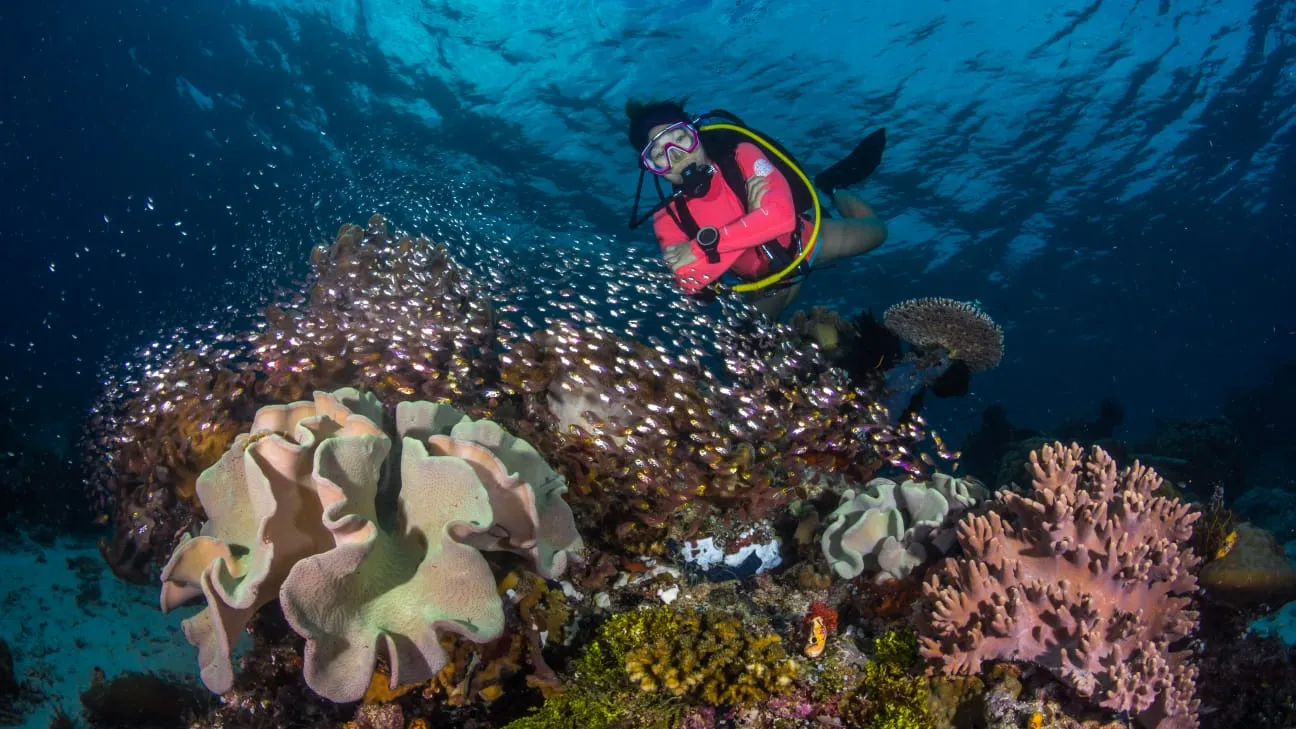
Raja Ampat Snorkeling: 6 Unforgettable Spots to Explore
Experience the best snorkeling in Raja Ampat with Boat Komodo Trip. Our expert guides will take you to the top 6…
Read more →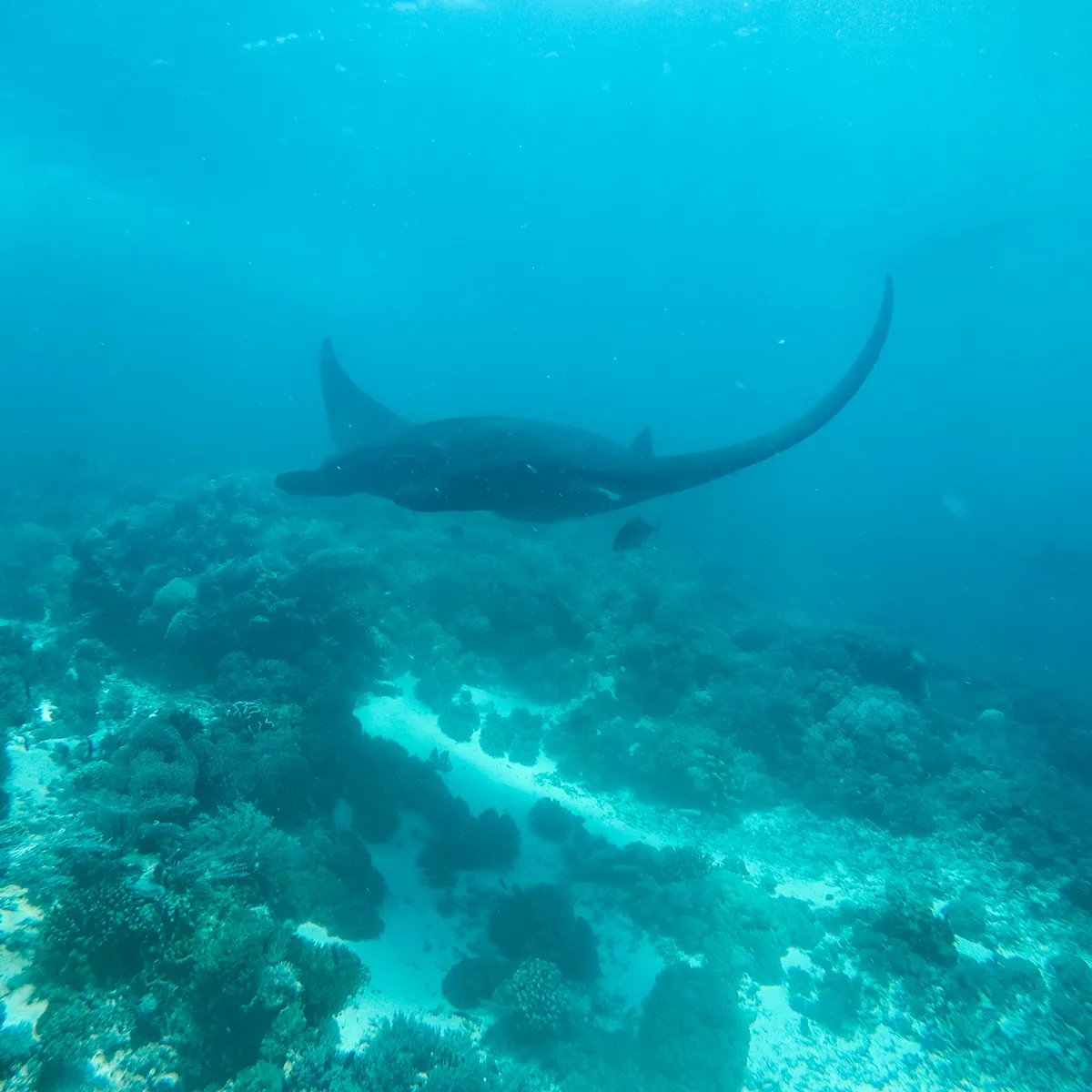
Where to See Manta Rays in Indonesia While Snorkeling and Diving
Swim with gentle giants in Indonesia’s top manta ray habitats. Discover where and when to see them while snorkeling or…
Read more →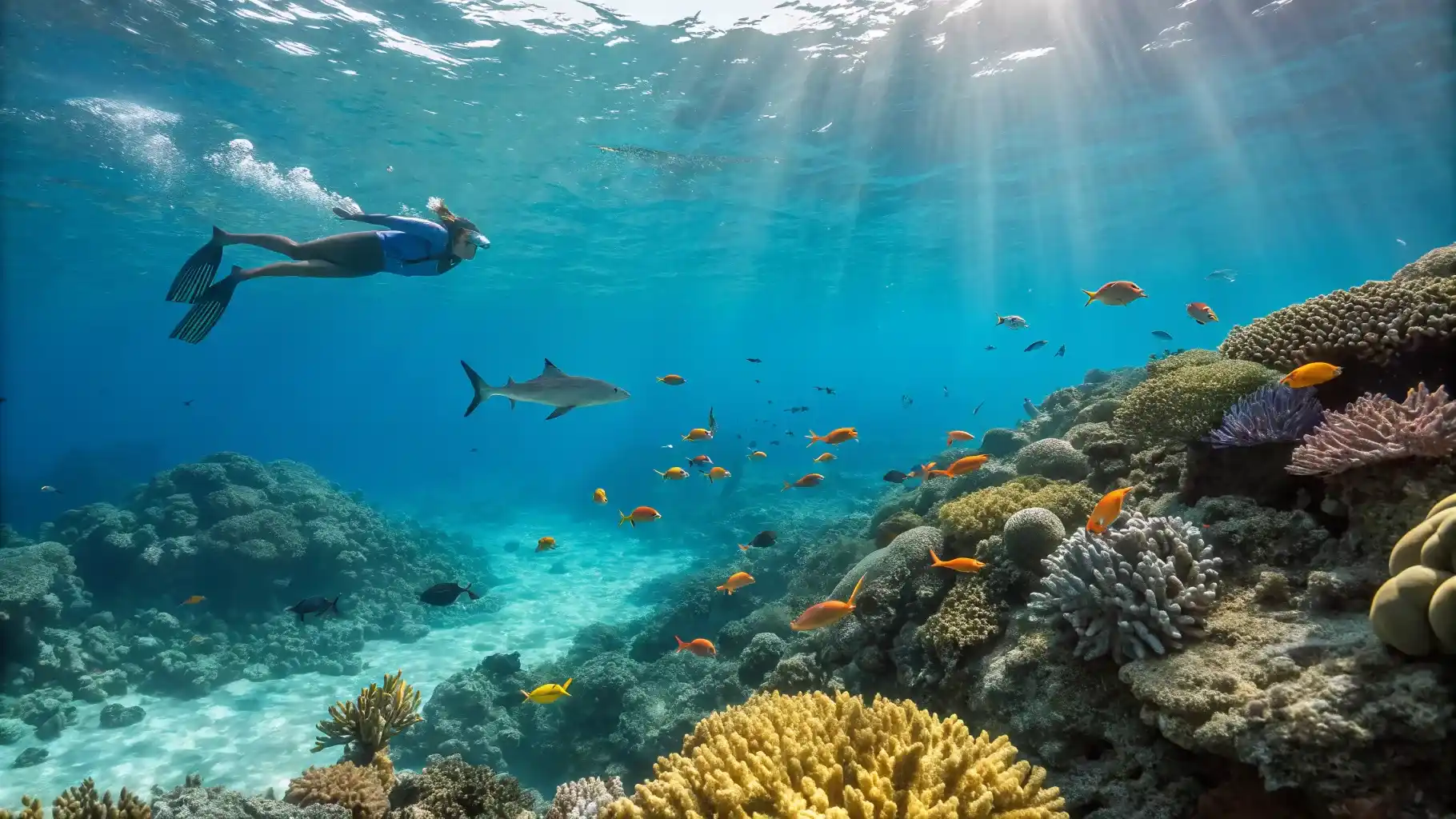
Unlock Misool's Hidden Wonders: The Ultimate Snorkeling Guide
Discover why Misool is the ultimate snorkeling destination in Raja Ampat, Indonesia. Explore crystal-clear waters,…
Read more →Best Places to Dive in Indonesia: 10 Unmissable Underwater…
Discover the best places to dive in Indonesia—from manta rays in Komodo to pristine reefs in Raja Ampat. Plan your next…
Read more →