
Why Raja Ampat Islands Are So Special
Raja Ampat is a unique combination of breathtaking marine life, dramatic landscapes, and authentic culture. Under the water, you’ll find over 1,300 species of reef fish and more than 600 types of coral, along with manta rays, turtles, reef sharks, and countless schools of colorful fish. Above the surface, the scenery is equally unforgettable, with limestone cliffs rising majestically from crystal-clear lagoons, lush jungles echoing with the calls of exotic birds, and villages preserving centuries-old Papuan traditions.
Top Islands in Raja Ampat
Waigeo Island, the largest of the four main islands, is a must-visit destination for its balance of accessibility and natural wonders. Misool Island, known for its pristine landscapes and secluded charm, is a haven for those seeking untouched beauty. Piaynemo offers breathtaking vistas of turquoise lagoons dotted with green limestone islets, while Wayag Island is the crown jewel of Raja Ampat, with its soaring karst cliffs and emerald-green waters. Batanta Island, Salawati Island, Mansuar Island, and Kri Island are also worth exploring for their unique landscapes, marine life, and cultural experiences.
Frequently Asked Questions
What is the best time to visit Raja Ampat?
How many islands are in Raja Ampat?
What makes Raja Ampat unique?
Related Blog Posts

Indonesia's Lesser-Known Spots: Sailing Komodo and Raja Ampat with…
Discover the ultimate sailing experience in Indonesia's Komodo and Raja Ampat. Enjoy crystal-clear waters, pristine…
Read more →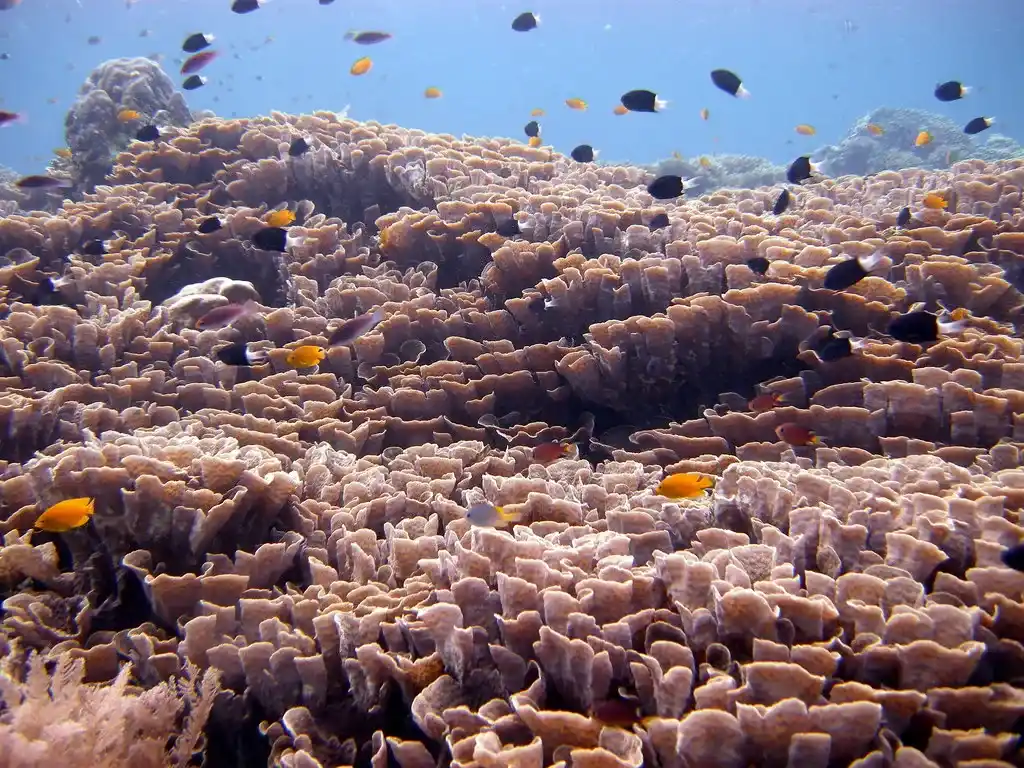
Indonesia Island Hopping: Explore The 11 Top Islands
Ready for an Indonesia island hopping adventure? Explore the top islands with luxury travel options by Boat Komodo Trip…
Read more →Wayag Island: Discover the lesser-known spot of Raja Ampat
Explore Wayag Island in Raja Ampat, Indonesia, and discover its unique karst islands, crystal-clear waters, and vibrant…
Read more →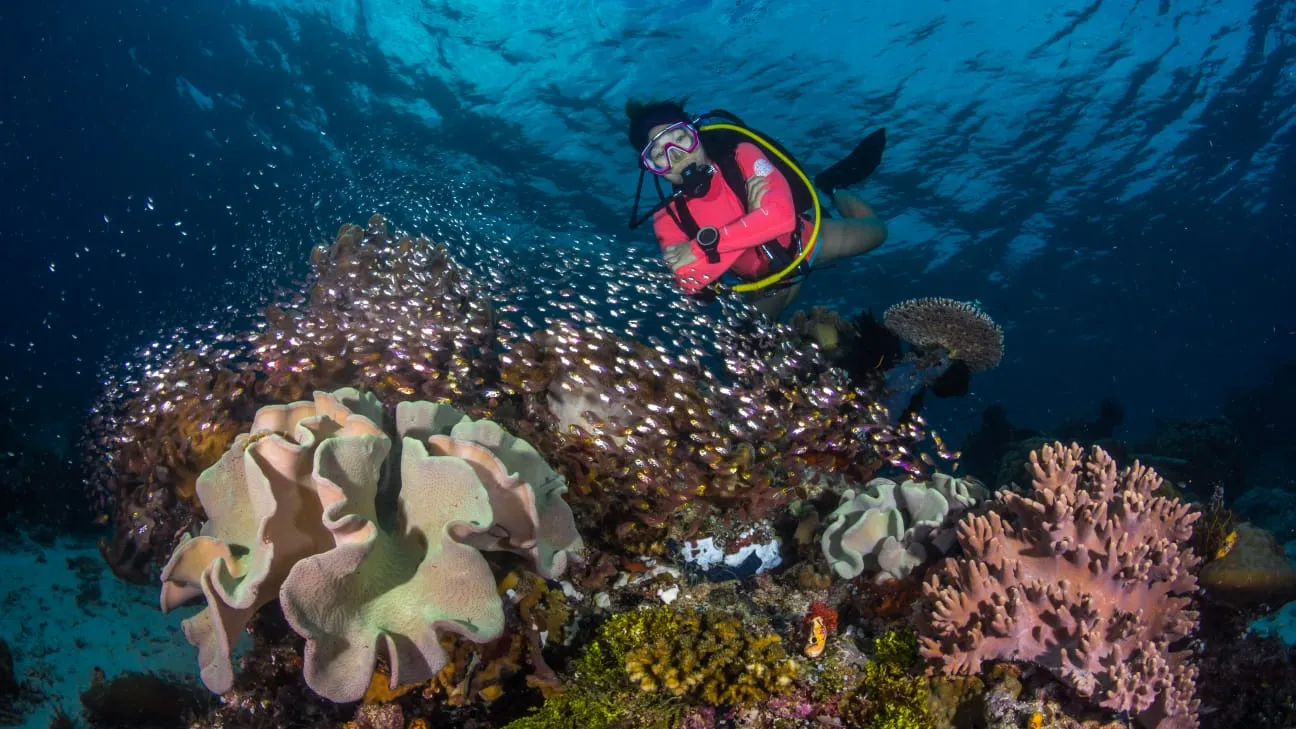
Raja Ampat Snorkeling: 6 Unforgettable Spots to Explore
Experience the best snorkeling in Raja Ampat with Boat Komodo Trip. Our expert guides will take you to the top 6…
Read more →
Beyond Bali: 9 Lesser-Known Spots to Explore in Indonesia
Discover serene alternatives to Bali in Indonesia—from Komodo Island to Ijen Crater. Plan your next escape with Boat…
Read more →