
Pandas in China
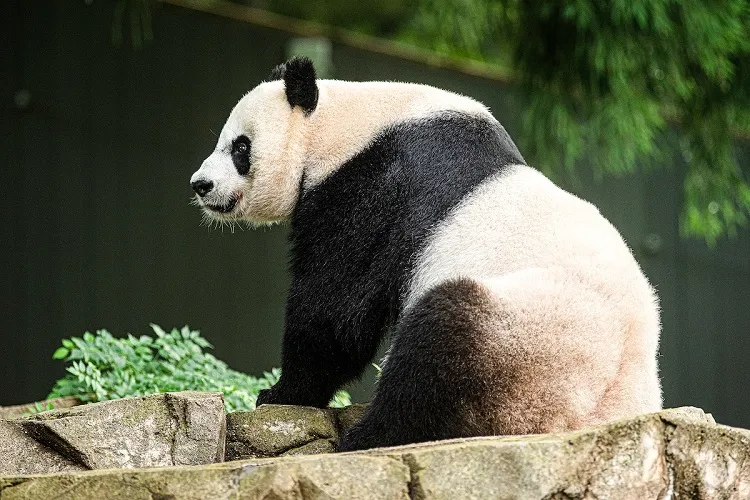
Pandas are beloved for their iconic black and white fur and gentle demeanor, making them a symbol of wildlife conservation and cultural pride in China. These magnificent creatures are mostly found in the mountainous regions of Sichuan, Shaanxi, and Gansu provinces. Pandas are known for their unique diet, which consists almost entirely of bamboo, which makes up over 99% of their daily intake. Despite being classified as carnivores, pandas have adapted to a bamboo-centric diet, supplemented occasionally by small animals and plants. The Chinese government has significantly invested in panda conservation, recognizing its ecological and cultural importance. Conservation efforts include establishing over 60 panda reserves, implementing breeding programs, and fostering international collaborations. As a result, the wild panda population has increased, and the International Union for Conservation of Nature (IUCN) has reclassified the panda from 'endangered' to 'vulnerable.'
Komodo Dragon in Indonesia
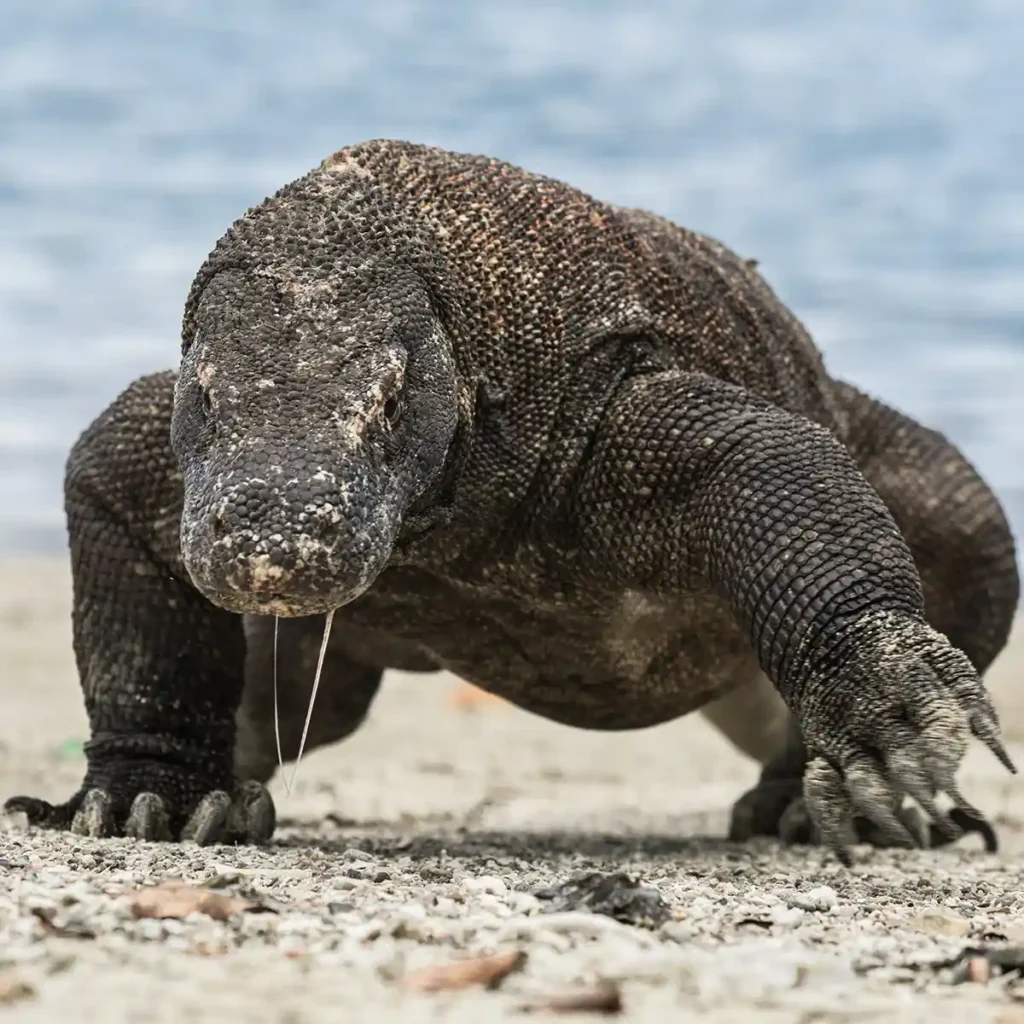
Komodo dragons are the largest living lizards, known for their impressive size and formidable hunting skills. These ancient reptiles can grow up to 3 meters in length and weigh over 70 kilograms. Komodo dragons are found on Komodo, Rinca, Flores, Gili Motang, and Padar islands in Indonesia. As apex predators, they feed primarily on large prey, such as deer and water buffalo, but they also scavenge carrion. Komodo dragons have a unique method of hunting, using a combination of stealth, strength, and a venomous bite to subdue their prey. Conservation efforts include protecting their habitats within the Komodo National Park, implementing anti-poaching measures, and conducting scientific research. Recognizing the global interest in these creatures, the Indonesian government has designated the Komodo National Park as a UNESCO World Heritage site to ensure the dragons' habitat remains protected and pristine.
Differences and Unique Experiences: Pandas vs. Komodo Dragons
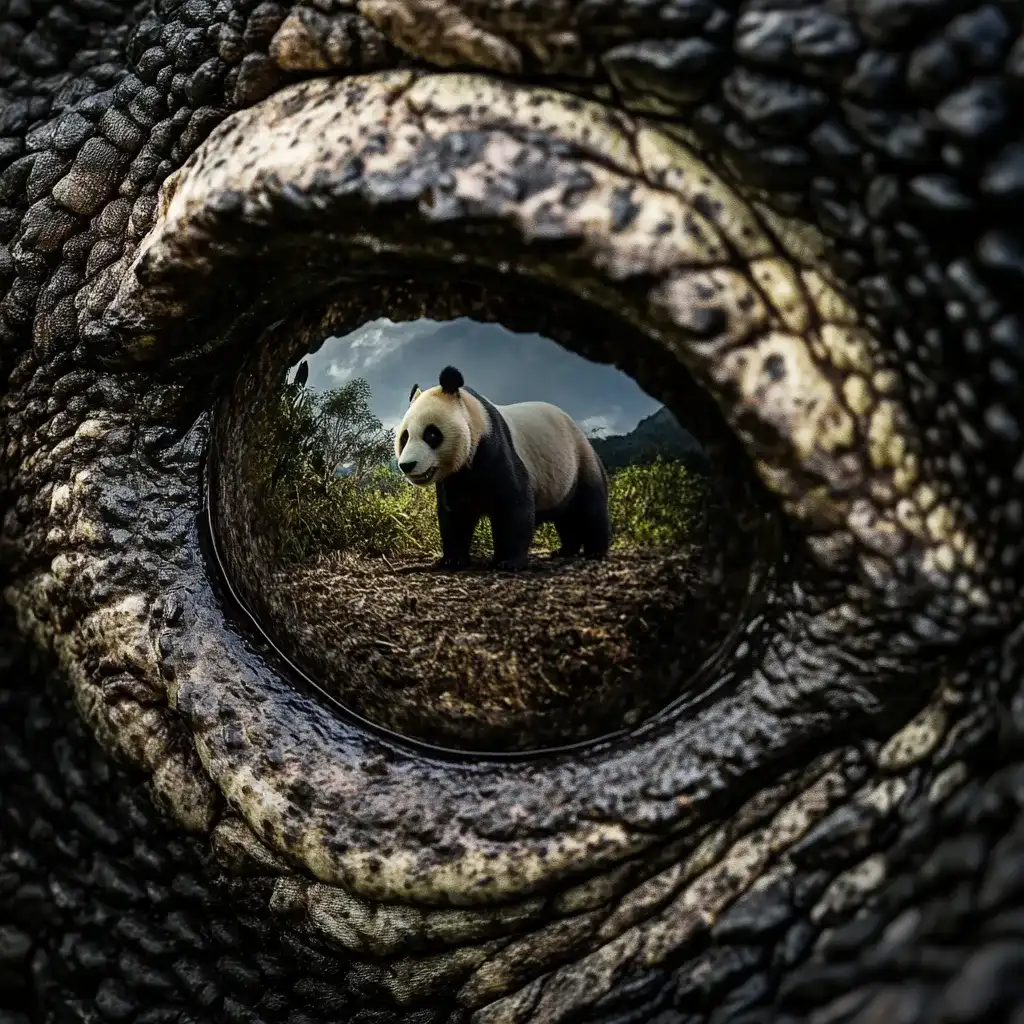
Pandas and Komodo dragons are vastly different in many aspects. Pandas, with their herbivorous diet and gentle nature, are found in the lush bamboo forests of China. In contrast, Komodo dragons are carnivorous apex predators inhabiting the arid islands of Indonesia. These differences highlight the diverse evolutionary paths and adaptations each species has undergone to thrive in their respective environments. Seeing pandas in China offers a serene and educational experience, while witnessing Komodo dragons in the wild is a thrilling adventure.
Gallery

Frequently Asked Questions
What are the main differences between pandas and Komodo dragons?
Why are pandas and Komodo dragons protected?
Where can I see pandas and Komodo dragons in their natural habitats?
Can Komodo dragons and pandas coexist in the same environment?
Related Blog Posts
Komodo Dragon vs Megalania: Ancient Lizards Face-Off
Discover the fascinating comparison between the Komodo dragon and Megalania, an extinct giant lizard. Join a tour to…
Read more →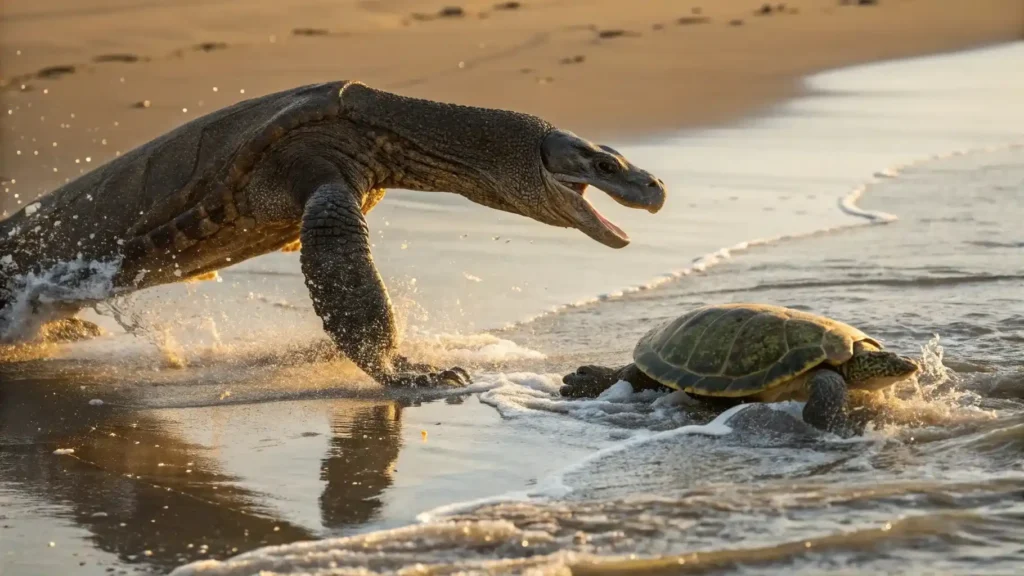
Komodo Dragon vs Turtle: The Ultimate Showdown
Explore the fascinating comparison between Komodo Dragons and sea turtles, from their physical traits to survival…
Read more →Where Do Komodo Dragons Live? Exploring Their Island Homes
Discover the islands where Komodo dragons live, their unique habitat, and the conservation efforts in place to protect…
Read more →5 Lizards That Look Like Komodo Dragons Found in Nature
Explore 5 lizards that look like Komodo dragons around the world, and meet the real one with Boat Komodo Trip on a…
Read more →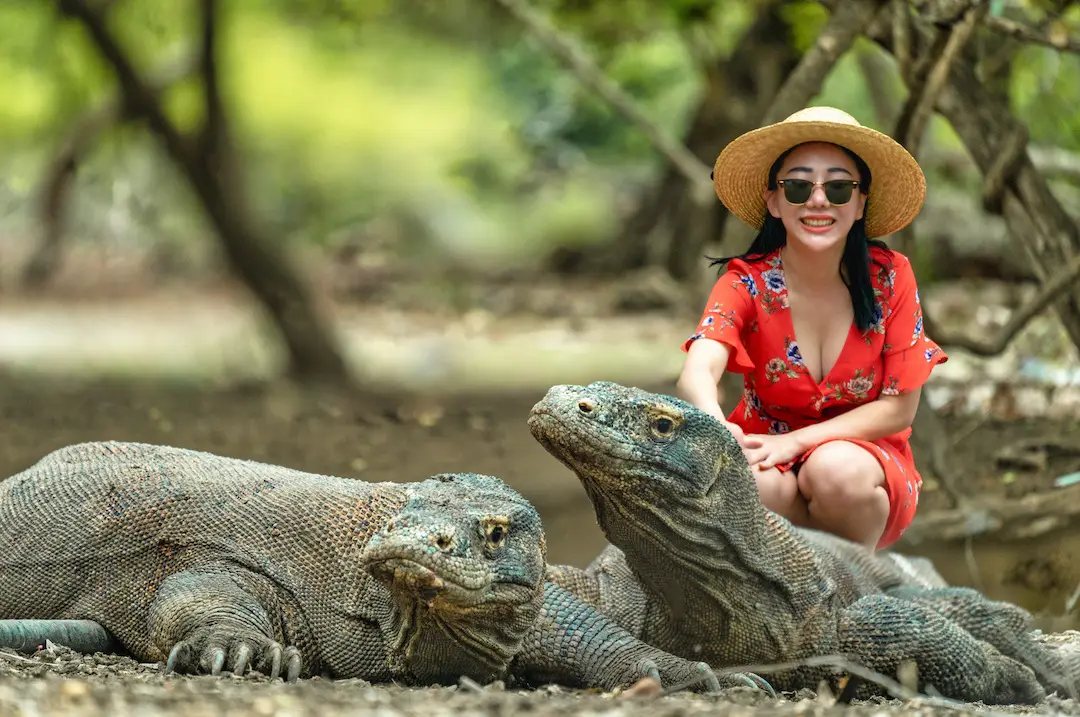
Best Place to See Komodo Dragons
Discover where to see Komodo dragons safely in Komodo National Park. Explore Rinca & Komodo Island with expert guides…
Read more →