Best Place to See Komodo Dragons

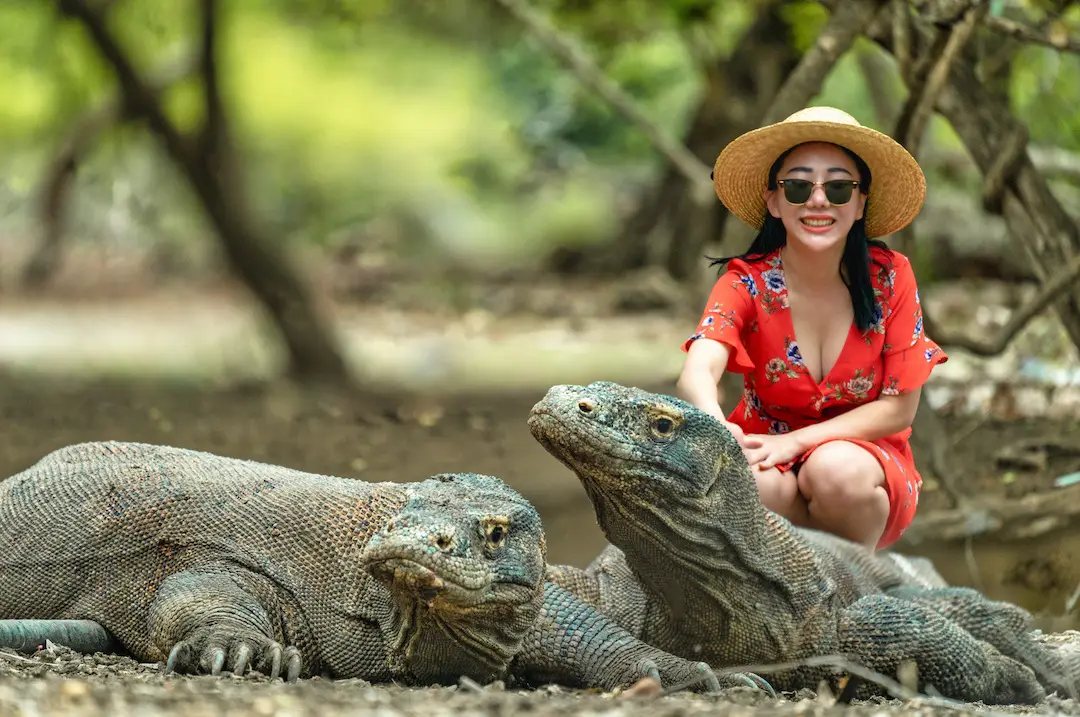
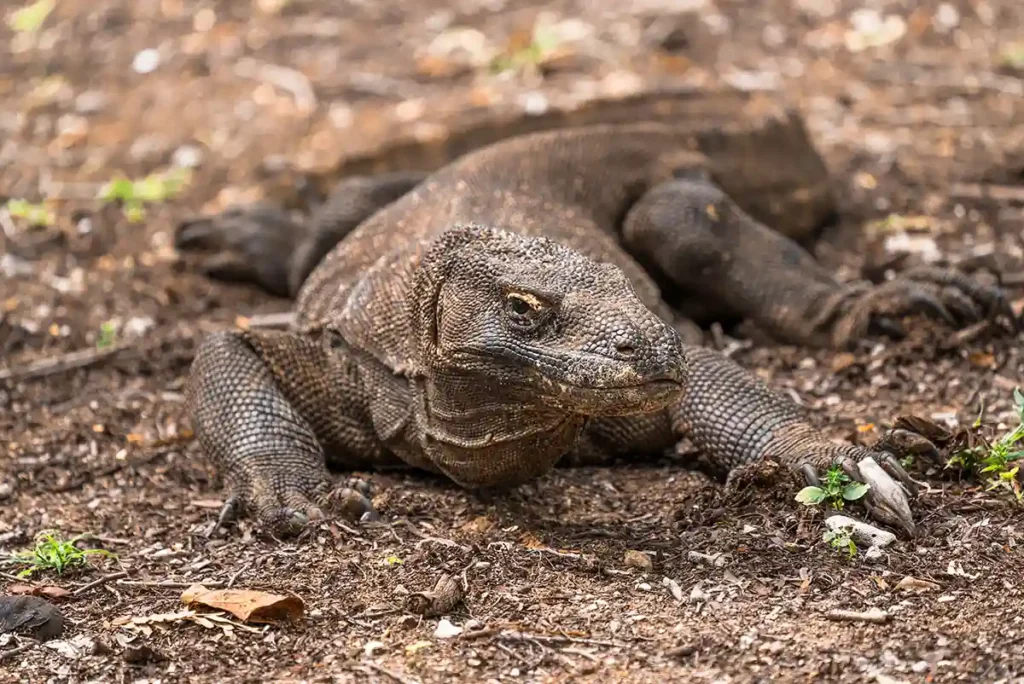
Seeing a Komodo dragon move through its natural landscape is one of the most primal wildlife experiences on Earth. These ancient reptiles, found nowhere else in the world, roam freely across a handful of remote Indonesian islands — but knowing where and how to see them safely makes all the difference.

Komodo National Park: A UNESCO World Heritage Site

Komodo National Park isn’t just a backdrop for dragon sightings — it’s a globally recognized sanctuary for biodiversity. Established in 1980 to protect the Komodo dragon and its habitat, the park earned UNESCO World Heritage status in 1991 for its outstanding ecological value. Spanning more than 1,500 square kilometers of land and sea, it safeguards not only the world’s largest lizard but also coral reefs, mangroves, and rare terrestrial species.

The park’s dual role as a marine and terrestrial reserve makes it exceptional. Visitors often come for the dragons but leave enchanted by the full spectrum of life — from manta rays gliding beneath the surface to Timor deer navigating dry savannahs. This rich, layered ecosystem sets the foundation for meaningful wildlife encounters, especially when tracking Komodo dragons in their natural domain.

Famous natural landmarks in Indonesia

Komodo Island vs Rinca Island: Where to See Dragons

Two main islands offer reliable Komodo dragon sightings: Komodo Island and Rinca Island. While both fall within the national park and host healthy dragon populations, they deliver distinct experiences shaped by terrain, visitor flow, and wildlife dynamics.

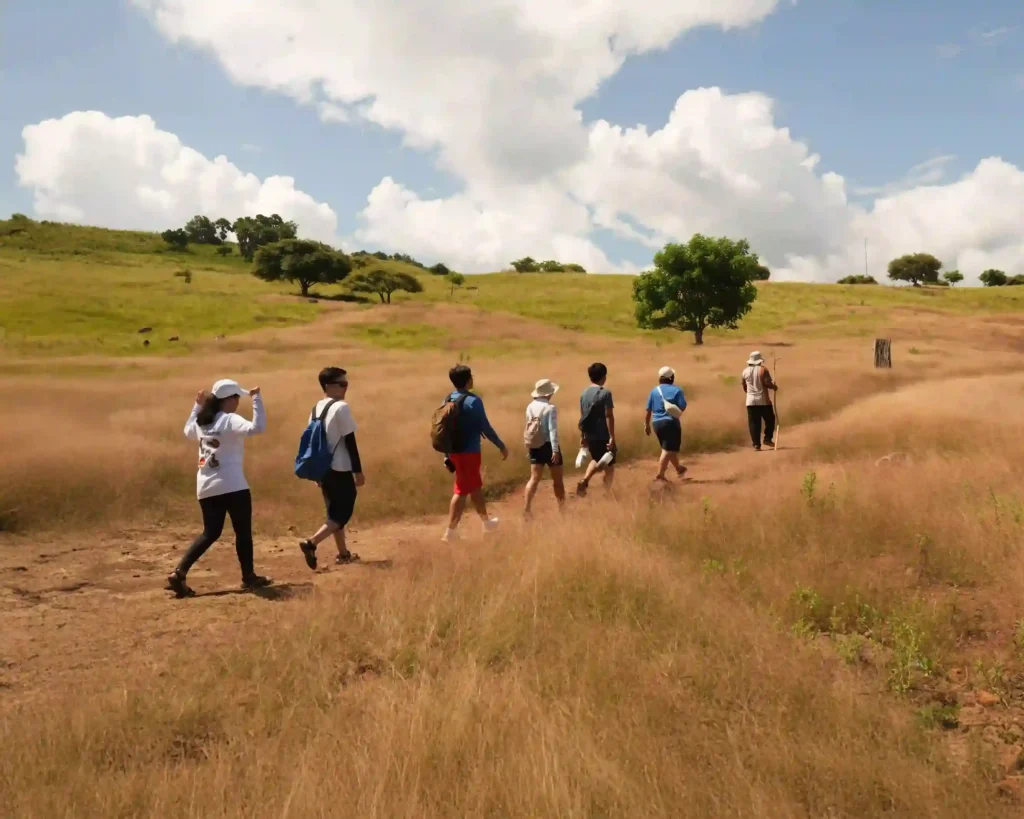
Komodo Island, the namesake of the species, is the most visited and offers well-maintained trails led by certified rangers. The terrain is rugged but navigable, with elevated viewpoints offering sweeping panoramas of the surrounding sea. Dragon sightings here are frequent, especially in the early morning when the reptiles emerge to bask in the sun. The island’s popularity means more foot traffic, but also consistent ranger presence and structured trekking routes.

Rinca Island, located farther west, sees fewer visitors and feels more remote. Its trails wind through dense scrubland and open grasslands where dragons often rest near watering holes. Because the island also supports wild buffalo and deer — key prey species — you’re more likely to witness natural hunting behaviors. With fewer crowds, Rinca offers a quieter, more immersive experience, ideal for photographers and those seeking solitude in the wild.

Trekking In Komodo Island | Boat Komodo Trip

Best Time to Visit for Dragon Encounters

The dry season, from April to October, is the optimal window for visiting Komodo National Park. During these months, the climate is stable, skies are clear, and trails remain dry and safe for trekking. Komodo dragons are more active in the warm daylight hours, particularly between 9 AM and 11 AM, when they hunt or patrol their territory.

In contrast, the wet season — November through March — brings heavy rainfall that can make trails slippery and limit access to certain areas. While dragon sightings are still possible, boat transfers may be disrupted by rougher seas, and visibility for snorkeling or photography diminishes. Planning your visit between May and September not only increases your chances of close-up encounters but also ensures smoother sailing and more comfortable land excursions.

How to See Komodo Dragons Safely and in Comfort

The way you explore the park shapes your entire experience. While independent visits are technically possible, joining a guided tour with experienced rangers and marine crews ensures safety, deeper insight, and logistical ease.

A private Komodo boat tour offers the highest level of comfort and flexibility. With your own vessel, you can tailor daily itineraries — spending extra time on Rinca’s quieter trails or anchoring near secluded bays for snorkeling. Ideal for families, couples, or small groups, this option blends adventure with personalized service, all while maintaining a respectful pace in the wild.

For travelers looking to connect with others, shared sailing tours provide a cost-effective alternative without compromising access. These curated trips follow the same prime routes — including dragon treks and snorkel stops — and are led by the same certified guides. You’ll still reach the best places to see Komodo dragons, just alongside a small group of fellow nature enthusiasts.

If time is limited, a full-day trip by speedboat from Labuan Bajo allows you to visit Komodo Island or Rinca, complete a ranger-led trek, and return the same evening. Though condensed, these day tours are designed to maximize wildlife sightings and include all necessary safety protocols.

Staying Safe Around Komodo Dragons

Komodo dragons are powerful predators, and respecting their space is non-negotiable. Every trek within the park must be accompanied by a trained ranger — they know the animals’ behavior, patrol patterns, and how to respond if a dragon becomes curious or defensive.

Keep a minimum distance of five meters at all times. Sudden movements or loud noises can startle the animals, potentially triggering a charge. Move calmly, speak in low tones, and follow your ranger’s cues without deviation. Feeding the dragons is strictly prohibited; doing so alters their natural instincts and endangers future visitors.

Photography is allowed, but avoid using flash near the animals. Tripods and long lenses are useful for capturing detail without encroaching on their space. Above all, trust your guide. Their instructions exist to protect both you and the dragons, ensuring this fragile ecosystem remains intact for generations to come.

Frequently Asked Questions

Which is better for seeing Komodo dragons — Komodo Island or Rinca Island?
Both islands offer excellent sightings, but Rinca tends to have a higher density of dragons and fewer tourists. Komodo Island has more developed trails and dramatic viewpoints. Your choice depends on whether you prefer accessibility or a more secluded experience.
Do I need a guide to see Komodo dragons?
Yes, it’s mandatory. All treks must be accompanied by a certified park ranger. They ensure your safety, interpret animal behavior, and help you navigate the terrain responsibly.
Are Komodo dragons dangerous to tourists?
They are wild predators and can be dangerous if provoked or approached too closely. However, no serious incidents have occurred when visitors follow ranger instructions and maintain a safe distance.
Can I visit Komodo National Park on a day trip?
Yes, full-day trips from Labuan Bajo are available and include a boat transfer, ranger-led trek, and time for snorkeling. They’re ideal for travelers with limited time but still offer a meaningful wildlife experience.