
The Komodo Dragon: A Prehistoric Predator
The Komodo dragon is a fearsome creature found only on a few remote islands in Indonesia, including Komodo, Rinca, and Flores. With its massive body, rugged scales, and long muscular tail, it looks like a creature from another era. But it's not just its appearance that makes this predator fearsome – its venomous bite and ambush hunting tactics allow it to take down prey much larger than itself. Despite its terrifying abilities, the Komodo dragon plays an important role in the ecosystem as a top predator, and is deeply respected by local communities who view it as a symbol of balance between nature, culture, and tradition.
The Cassowary: A Bird of Deadly Proportions
The cassowary is a striking, flightless bird native to the rainforests of Papua New Guinea, West Papua, and northern Australia. With its vivid blue skin, tall casque, and powerful legs, it looks both beautiful and intimidating. What makes it truly dangerous is the long, dagger-like claw on each foot, which it uses to defend itself when threatened. While cassowaries are shy by nature, they can become aggressive, especially if provoked or approached too closely. At the same time, they play a vital ecological role by dispersing seeds across the forest, helping maintain the health of tropical ecosystems.
Komodo Dragon vs Cassowary: A Comparison of Physical Features and Behavior
When it comes to danger, strength, and survival instincts, both the Komodo dragon and the cassowary are in a league of their own. But how do they really compare in terms of physical features, behavior, and interaction with humans? Let's break it down point by point. The Komodo dragon is significantly larger than the cassowary in both length and body mass, with the ability to grow up to 3 meters long and weigh around 70 to 90 kilograms. In contrast, the cassowary stands tall, reaching up to 1.8 meters, but weighs slightly less, around 60 kilograms on average. This difference in physical size gives the Komodo dragon a clear advantage in terms of raw bulk and strength.
Pricing
Rates as published on our legacy listing. Contact us for current availability, seasonal rates, and private-charter offers.
| Category | Price |
|---|---|
| 3. Natural Weapons High | rp |
| Komodo Dragon vs Cassowary: Who Would Win? High | rp |
Frequently Asked Questions
What makes the Komodo dragon and cassowary so deadly?
Which one is more aggressive?
What role do these animals play in their ecosystems?
Can I see these animals in the wild?
Related Blog Posts
Komodo Dragon Digestive System: A Marvel of Nature
Discover the incredible digestive system of the Komodo dragon and learn how to safely observe these magnificent…
Read more →
Komodo Dragon vs Anaconda: Who Wins in Nature's Arena?
Compare Komodo dragon vs anaconda—size, habitat, strength. See Komodo dragons in the wild with Boat Komodo Trip's…
Read more →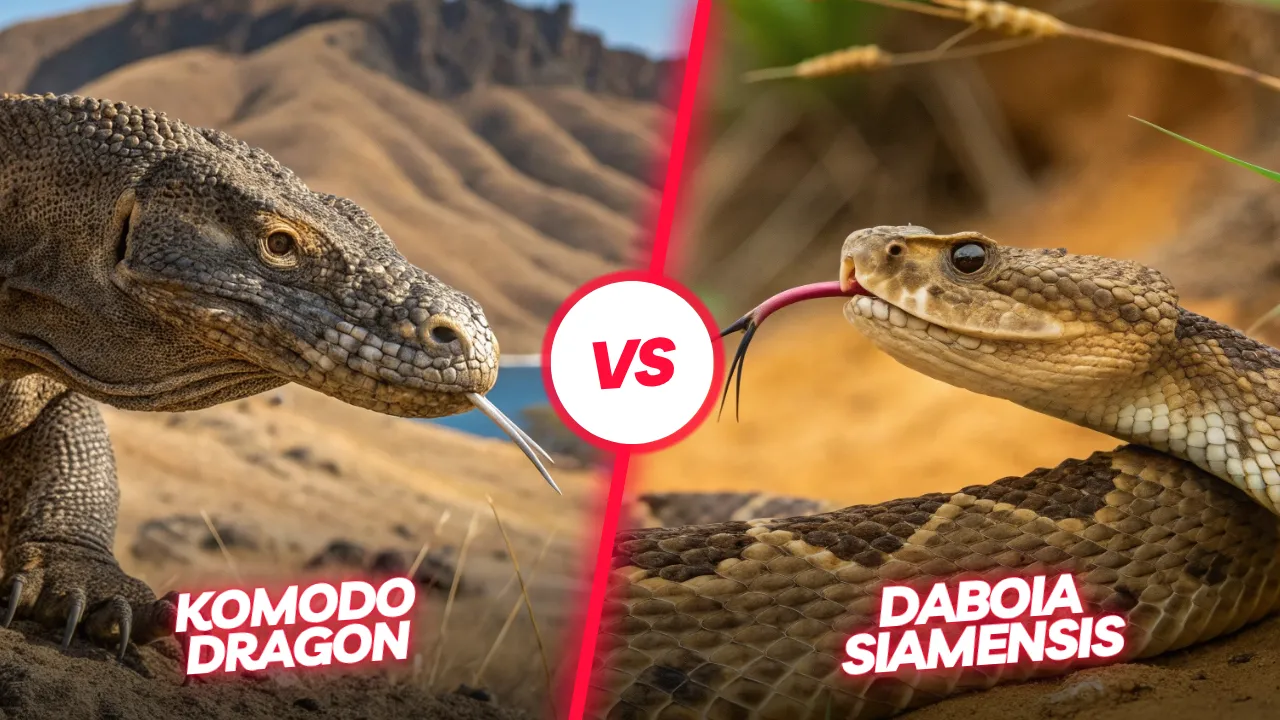
Komodo Dragon vs Daboia Siamensis: Nature's Battle of the Titans
Discover the fascinating differences between Komodo dragons and Daboia Siamensis, two formidable predators in their…
Read more →
Komodo Island vs Ibiza: Nature, Luxury, and Adventure
Discover the key differences between Komodo Island and Ibiza. From raw nature and diving to nightlife and luxury, find…
Read more →
Komodo Island vs Australia: Nature's Wonders Compared
Discover the unique charm of Komodo Island and Australia's breathtaking landscapes. Read our comprehensive guide to…
Read more →