
Komodo Dragon Speed on Land: More Than Meets the Eye
At first glance, the Komodo dragon appears slow and deliberate, often basking in the sun or ambling across dry savanna. But don’t be fooled by its calm demeanor. When the moment demands, it transforms into a sudden, powerful sprinter. These bursts of speed are brief but effective, perfectly adapted to its role as an ambush hunter.
Adult Komodo dragons can reach up to 20 kilometers per hour (12.4 mph) in short lunges. This isn’t sustained running—it’s a calculated strike. The goal isn’t to chase prey over distance, but to deliver a single, venomous bite and let biology do the rest. Once wounded, most animals weaken from blood loss, shock, or infection, allowing the dragon to follow and claim its meal hours or even days later.
What Influences a Komodo’s Land Speed?
Several factors shape how quickly a Komodo dragon can move. Age plays a key role—juveniles are lighter and more agile, often escaping threats by climbing trees or darting across rocky terrain. Adults, while heavier and less nimble, compensate with strength and experience.
Terrain also matters. On flat, dry ground, they move efficiently, but rough or densely vegetated areas slow them down. As cold-blooded reptiles, they rely on external heat to power their muscles. Their peak activity comes in the late morning when body temperature rises under the tropical sun. And unlike endurance predators, Komodo dragons only sprint when necessary—whether to catch prey, defend territory, or respond to danger.
Can Komodo Dragons Swim—and How Fast?
Komodo dragons are not just land predators. Surrounded by ocean in the Lesser Sunda Islands, they’ve adapted to swim between islands and along coastlines. While not built for aquatic life, they are strong, purposeful swimmers. Using their muscular tails in a side-to-side motion, they propel themselves through the water with steady determination.
Field observations estimate their swimming speed at 5 to 8 kilometers per hour (3 to 5 mph). This may seem modest, but it’s enough to cross narrow straits between islands like Komodo, Rinca, and Padar. Their limbs tuck close to reduce drag, and their heads stay above water for navigation and breathing. These crossings are not random—they’re driven by hunger, territory, or the need to cool down.
What Affects Their Swimming Performance?
Tidal conditions and currents influence how easily a Komodo dragon moves through water. Calm seas are preferred; strong waves or undercurrents can hinder progress. Water temperature also plays a role—warmer conditions keep muscles responsive, while cooler water slows them down.
Body size impacts efficiency. Larger dragons have powerful tails for propulsion, but extra mass can reduce stamina over longer distances. Younger individuals may be more agile in water, though less strong. Most importantly, these reptiles don’t swim for fun. Every crossing has a purpose: finding food, escaping threats, or exploring new territory. That intent drives both distance and pace.
Why Speed Isn’t the Whole Story
The Komodo dragon’s true advantage isn’t raw speed—it’s strategy. Evolution has shaped it into a master of efficiency. It doesn’t waste energy on prolonged chases or unnecessary movement. Instead, it relies on stealth, patience, and precision. A flick of the tongue samples the air, detecting prey from over 4 kilometers away. Then, it waits.
When the moment comes, the lunge is explosive but brief. The venom—a mix of anticoagulants and shock-inducing compounds—does the heavy lifting. This combination of sensory acuity, controlled aggression, and biological weaponry makes the Komodo dragon one of nature’s most refined predators, long before modern mammals rose to dominance.
How to Safely Observe Komodo Dragons in the Wild
Seeing a Komodo dragon in its natural habitat is a rare privilege. To make the most of it, timing and behavior matter. The best opportunities come in the early morning or late afternoon, when dragons are active and moving through their territory. Midday heat drives them into shade, reducing visibility.
Stay quiet and move slowly. Loud noises or sudden gestures can disrupt their natural behavior. Stick to high-activity zones—near watering holes, deer trails, or coastal clearings—where sightings are more common. Always maintain a safe distance. Binoculars or a zoom lens let you study their movements without intrusion. Most importantly, travel with a certified local guide. Their knowledge ensures both your safety and a deeper understanding of the dragon’s role in this fragile ecosystem.
Frequently Asked Questions
How fast can a Komodo dragon run?
Can Komodo dragons swim between islands?
How fast do Komodo dragons swim?
Why don’t Komodo dragons chase their prey for long?
Is it safe to observe Komodo dragons in the wild?
Related Blog Posts
10 Unmissable Facts About Indonesia You Need to Know
Discover the fascinating facts about Indonesia that make it a must-visit destination. Book via WhatsApp +62…
Read more →
Komodo National Park Guide 2026: What You Need to Know
Discover Komodo National Park with essential tips on access, wildlife, and responsible travel. Plan your journey…
Read more →7 Komodo National Park Facts to Know Before Visiting
Discover fascinating Komodo National Park facts, from its unique ecosystem to the best time to visit, to make the most…
Read more →Do You Need a Visa for Visit to Komodo Island? Here’s What You Need…
Planning a trip to Komodo Island? Find out if you need a visa, which type to choose, and how to enter Indonesia…
Read more →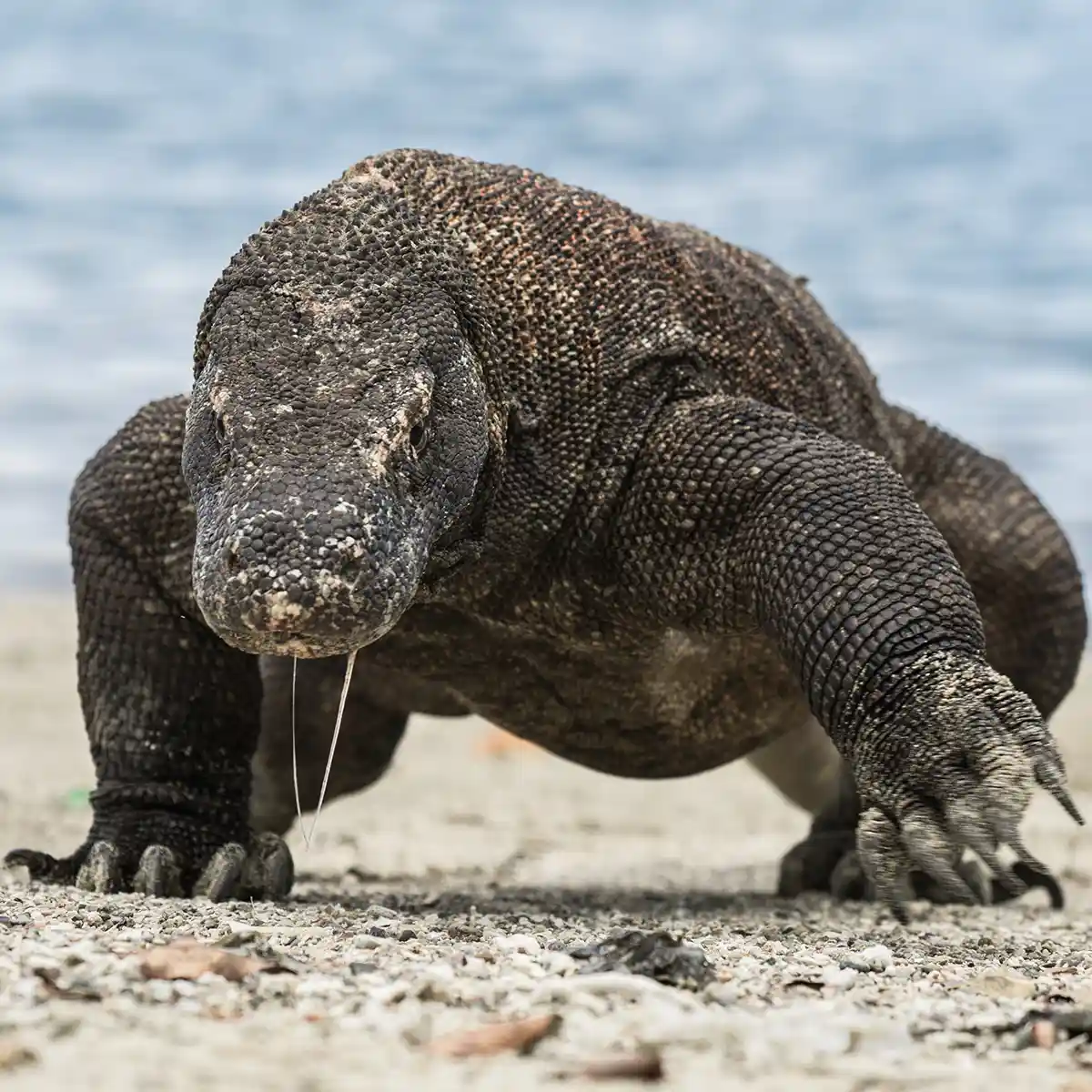
11 Komodo Dragon Facts to Inspire Your Indonesian Adventure
Discover fascinating facts about Komodo dragons and plan your luxury tour to Komodo Island with Boat Komodo Trip. Book…
Read more →