
Why Timing Matters for Komodo Dragon Sightings
Komodo dragons are cold-blooded, meaning their energy and movement depend entirely on external temperatures. As the sun rises over Komodo National Park, these apex reptiles emerge to absorb warmth, kickstarting their metabolism after the cooler night. This early activity is when they’re most likely to patrol territory, investigate scents, or even stalk prey—behaviors rarely seen later in the day.
By mid-morning, typically after 10:00 AM, rising heat drives them into shaded areas where they rest to avoid overheating. Their movements slow, and they become far less visible. For travelers, this means a late arrival could mean missing dynamic behavior entirely—settling instead for a motionless lizard under a tree. Timing your trek early doesn’t just improve odds—it transforms the experience.
How Komodo Dragons Behave by the Hour
Understanding the daily rhythm of Komodo dragons helps set realistic expectations and plan smarter visits. Their behavior shifts predictably with temperature, creating clear windows for sightings.
From 6:00 to 10:00 AM, dragons are at peak activity. They bask on open rocks or trails, then begin moving through their habitat. This is when you might see them walking purposefully, flicking their forked tongues to sample the air, or investigating tracks left by deer or wild boar. It’s the closest most visitors get to witnessing their role as apex predators.
Between 10:00 AM and 1:00 PM, activity declines. The tropical sun intensifies, and dragons retreat under trees, rock overhangs, or ranger station eaves. They remain alert but mostly stationary. Sightings are still possible, but the animals are less engaging.
From 1:00 to 4:00 PM, sightings become rare. The heat is at its strongest, and dragons conserve energy in deep shade. Even if one is nearby, it’s likely invisible or completely still. After 4:00 PM, as temperatures dip, some may re-emerge briefly to absorb residual warmth before nightfall—but this window is short and unpredictable.
Why Morning Treks Deliver the Best Experience
The early morning isn’t just ideal for seeing Komodo dragons in motion—it also enhances comfort, safety, and photography. Starting your trek before 9:00 AM means cooler air, softer light, and fewer people on the trails.
Rangers often lead morning groups when dragon activity is highest. You’ll walk behind your guide through savanna and scrubland, eyes scanning for movement. This is when dragons appear most dramatic—silhouetted against the rising sun, muscles taut, heads swaying like ancient sentinels.
Photographers benefit from golden-hour lighting that highlights texture and depth in both landscape and subject. Meanwhile, the reduced crowd allows for quieter observation, increasing the sense that you’re truly in the presence of something wild and untamed. For those seeking authenticity over convenience, morning is non-negotiable.
Tips for a Successful Dragon Encounter
A great Komodo dragon sighting starts with preparation. Begin with a morning tour—ideally departing between 6:00 and 7:30 AM—to align with the reptiles’ natural rhythm. Wear lightweight, long-sleeved clothing to protect against sun and insects, and bring at least one liter of water per person. Staying hydrated helps you stay focused during the trek.
Always follow your ranger’s lead. They carry wooden shields and know how to respond if a dragon becomes curious or defensive. Never wander off-trail or attempt to feed the animals. While dragons may seem slow, they can burst into action at speeds up to 20 km/h (12 mph) over short distances.
Choose your island based on your goals: Rinca offers higher sighting probability due to open terrain, while Komodo Island provides longer treks through more varied ecosystems. Regardless of location, patience is key. These animals aren’t performing—they’re living. The most powerful moments often come from stillness: watching a dragon breathe, flick its tongue, or slowly turn its head to assess its surroundings.
Use a zoom lens for photos. Getting close for a selfie risks your safety and stresses the animal. Responsible tourism means observing without disturbing. Book through licensed operators like Boat Komodo Trip, where safety, conservation, and expert guiding shape every itinerary.
Frequently Asked Questions
What time do Komodo dragons wake up?
Can you see Komodo dragons in the afternoon?
Is it safe to walk near Komodo dragons?
Which island has more Komodo dragons—Komodo or Rinca?
Related Blog Posts
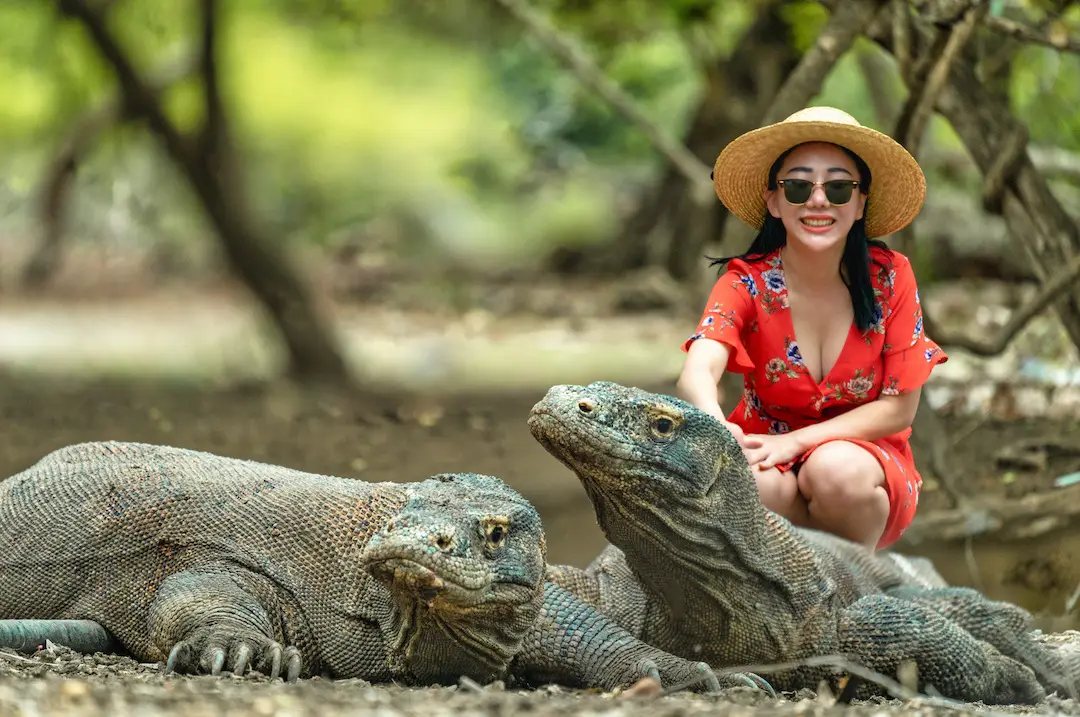
Best Place to See Komodo Dragons
Discover where to see Komodo dragons safely in Komodo National Park. Explore Rinca & Komodo Island with expert guides…
Read more →
Can You Do a Day Trip from Bali to Komodo? — A Guide
Yes, you can do a day trip from Bali to Komodo with an early flight and guided tour. Discover how to plan it smoothly…
Read more →Can You Do Komodo Island in a Day? Here’s What’s Possible
Yes, you can explore Komodo Island in a day. See Padar, Pink Beach, dragons & more. Plan your seamless day trip with…
Read more →
Experience Komodo Island in One Day: Your Complete Guide to a One Day…
Maximize your time with a one day trip Komodo. Visit Pink Beach, Padar Island, and Komodo dragons—all in 24 hours. Book…
Read more →Komodo Dragons in Bali? Here’s Where You Can Really See Them
No, Komodo dragons don’t live in Bali. Discover where they actually live and how to see them in the wild with…
Read more →