
Homestays: Live Like a Local
For an intimate, grounded experience, homestays offer the most authentic way to connect with Raja Ampat’s culture. Run by local families, these accommodations are often the only option on smaller islands, providing basic shelter with unmatched warmth. Rooms are simple — think fans instead of AC, shared bathrooms, and sometimes mattresses on raised wooden floors. Electricity may be limited to a few hours at night, powered by generators or solar panels, and Wi-Fi is rare or nonexistent in most locations.
Staying in a homestay means embracing rhythm over convenience. You’ll eat fresh, locally caught fish and tropical produce, often served family-style. It’s not about luxury; it’s about presence. If you value cultural exchange over comfort and want to support village-based tourism directly, this is your path.
Resorts: Comfort Amid Wilderness
For travelers seeking comfort without sacrificing access, Raja Ampat’s resorts strike a thoughtful balance. Ranging from eco-conscious boutique lodges to high-end retreats, these properties are designed to blend into the landscape while offering modern amenities. Many sit on private cays with direct reef access, infinity pools, and open-air bungalows that frame sunrise over the strait.
Sustainability is a priority for most operators — solar power, desalination systems, and reef-safe practices are common. However, luxury comes with logistical weight. Reaching remote resorts often requires chartering a speedboat, which depends on weather and can delay arrivals. Costs are higher, and long stays demand a solid budget. But if waking up to untouched nature with reliable showers and a curated experience matters to you, a well-chosen resort delivers.
Liveaboard Expeditions: Freedom to Explore
To truly unlock Raja Ampat, consider a liveaboard — a floating base that moves with you through the archipelago. Unlike fixed stays, liveaboards grant access to hidden bays, drift dives, and uninhabited beaches that day trips can’t reach. With Boat Komodo Trip, you’re not just booking a cabin — you’re joining a guided expedition through the heart of marine abundance.
These multi-night journeys, typically 4 to 12 days, let you dive or snorkel at dawn when the water is calmest, then sail to the next pristine site by afternoon. Cabins are comfortable, meals are freshly prepared, and the crew knows the currents like their own breath. It’s the most immersive way to experience Raja Ampat — no packing and unpacking, no missed opportunities. Just seamless movement through paradise.
When to Go: Timing Your Visit Right
Raja Ampat welcomes visitors year-round, but timing affects your experience. The ideal window runs from September to April, when winds are steady, seas are calm, and visibility underwater peaks. This period aligns with the dry season, making boat transfers smoother and dive conditions optimal.
The months of October to December are especially favored by divers, with warm water, minimal rainfall, and active marine life. From May to August, winds shift, and waves can pick up — not impossible to travel, but less ideal for snorkeling or open-deck comfort. If you’re flexible, aim for the shoulder months to avoid peak rates while still enjoying great conditions.
Gallery


Frequently Asked Questions
Can foreigners stay in Raja Ampat homestays?
Are there ATMs or Wi-Fi in Raja Ampat?
How do I book a liveaboard for Raja Ampat?
Do I need a permit to visit Raja Ampat?
Related Blog Posts

Where to Stay in Raja Ampat: A Guide to Choosing the Best Option
Discover the best places to stay in Raja Ampat, from homestays to luxury resorts, and learn how to choose the perfect…
Read more →Where to Stay in Misool: Expert Insights
Discover the best places to stay in Misool, Raja Ampat, from eco-resorts to liveaboards. Learn how to choose the…
Read more →
How to Get to Raja Ampat – Your Ultimate Guide
Discover the best ways to reach Raja Ampat, from flights to boat transfers, and plan your trip with our expert travel…
Read more →
Can You Stay Overnight on Komodo Island?
Discover how to stay overnight in Komodo National Park with a liveaboard or from Labuan Bajo. Plan your ideal Komodo…
Read more →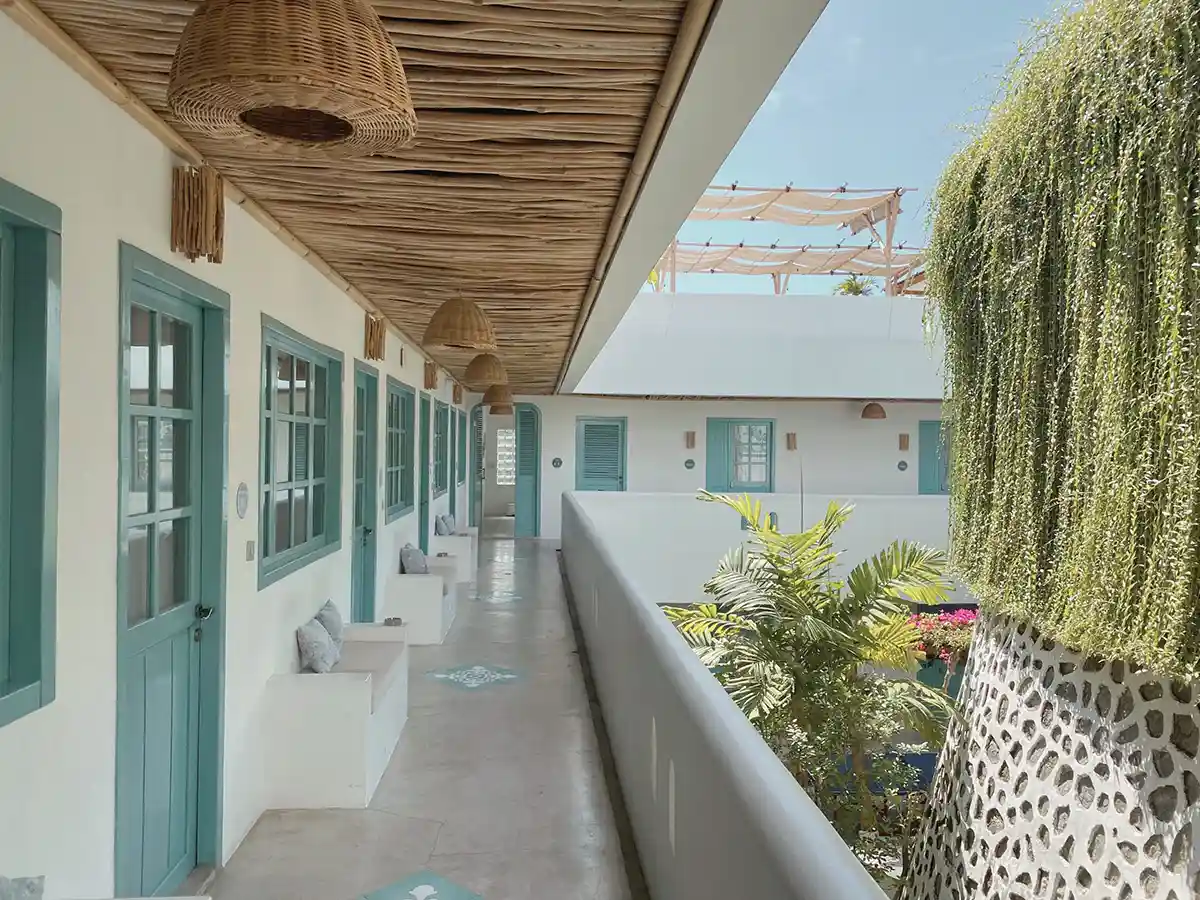
Where to Stay in Labuan Bajo: Top Picks for Every Budget
Discover the best places to stay in Labuan Bajo, from budget-friendly options to luxury resorts. Plan your trip with…
Read more →