
Raja Ampat: The Last Paradise, Revisited
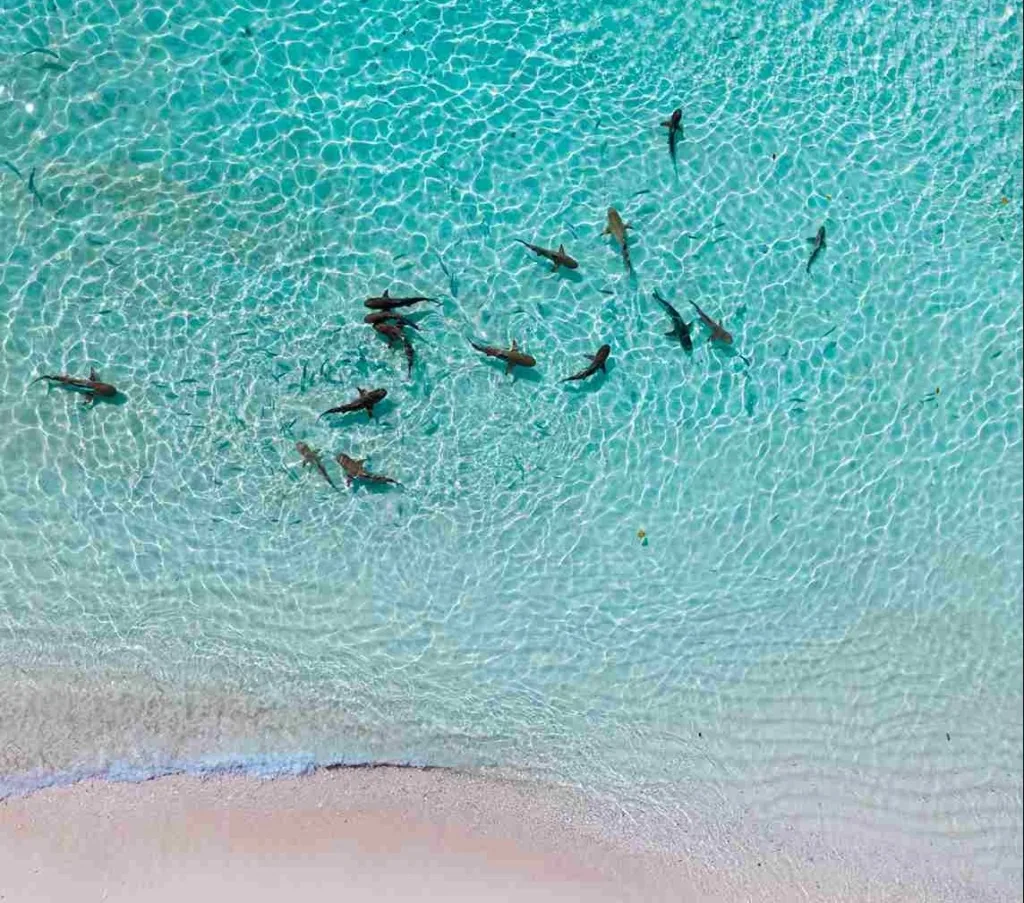
Nestled in the heart of the Coral Triangle, Raja Ampat earns its title as one of Earth’s most biodiverse marine sanctuaries. With over 1,500 fish species and 600 types of coral, this archipelago offers an underwater world so vivid it feels unreal. Divers glide past blacktip reef sharks, schools of fusiliers, and slow-moving batfish, all framed by coral gardens that shimmer in the sunlight like living mosaics.
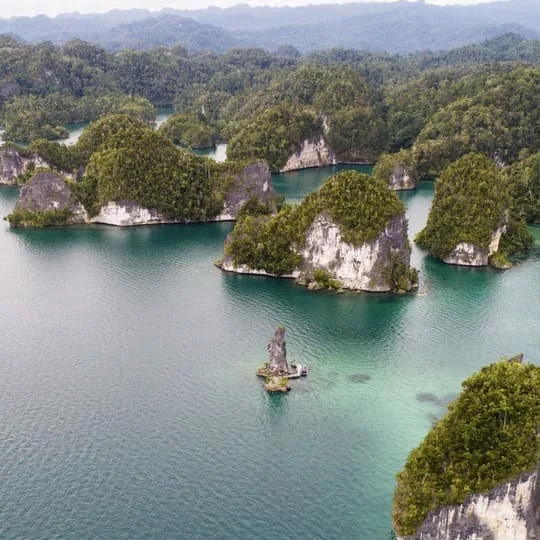
Above water, the landscape is just as dramatic — jagged limestone islands rise from turquoise waters, cloaked in dense rainforest. The region’s isolation has preserved both its ecosystems and indigenous cultures, making every visit a journey into a world that moves at nature’s pace. To truly connect with Raja Ampat, you’ll want conditions that let you dive deeper, hike farther, and linger longer.
Understanding Raja Ampat’s Seasons
Unlike much of Indonesia, Raja Ampat straddles the equator, giving it relatively stable temperatures year-round — typically between 25°C and 32°C (77–90°F). Humidity is high, but the real difference lies in wind and rainfall patterns driven by monsoonal shifts. Two main seasons shape travel here: the dry season and the wet season, each offering distinct advantages.
The dry season, running from October to April, brings calmer seas and clearer skies, making it the most popular window for diving and liveaboard expeditions. The wet season, from July to September, sees stronger southerly winds and more frequent rain, but also fewer crowds and lush, green landscapes. Between them, May and June form a shoulder period — a sweet spot for travelers who want good conditions without peak-season prices.
When to Go: A Month-by-Month Guide
October to April marks Raja Ampat’s peak season. Seas are calm, visibility often exceeds 30 meters, and marine life is highly active. December to February is especially rewarding — this is manta ray mating season, and sightings in popular channels like Manta Sandy are nearly guaranteed. Whale sharks also appear more frequently during these months, adding rare magic to your dives.
May and June offer a quieter alternative. While occasional rain rolls through, conditions remain favorable for diving. June is particularly special: it’s coral spawning season, when reefs pulse with synchronized reproduction — a fleeting, colorful event that draws underwater photographers from around the world. Dampier Strait remains a hotspot for oceanic mantas, and liveaboard schedules stay reliable.
July to September brings wetter weather and rougher seas, particularly on southern exposures. Some liveaboards adjust itineraries or pause operations, but land-based stays and shorter boat trips still thrive. Rain often comes in short, intense bursts, leaving skies clear by afternoon. With far fewer visitors, this is the time to experience Raja Ampat’s solitude — to kayak through empty lagoons or trek into misty forests without another soul in sight.

Beyond Diving: What to Do in Raja Ampat
While diving and snorkeling are the main draws, Raja Ampat rewards those who explore beyond the waterline. Island hopping reveals hidden bays, secluded beaches, and limestone caves draped in vines. The four main islands — Waigeo, Batanta, Salawati, and Misool — each offer unique landscapes, from karst towers to mangrove-lined inlets.
Birdwatchers make pilgrimages to Waigeo to catch glimpses of the Wilson’s and Red Birds of Paradise, their elaborate courtship dances a marvel of evolution. Early morning treks with local guides increase your chances of spotting them in the wild. Kayaking and stand-up paddleboarding let you glide silently through narrow channels, absorbing the stillness without engine noise.
On land, jungle trails lead to panoramic viewpoints and ancient rock art. Local villages welcome respectful visitors, offering chances to learn traditional weaving or taste papua staples like papeda — a sago-based porridge — served with rich, yellow fish soup. These moments of cultural exchange ground your adventure in the human story of this remote region.

Gallery


Frequently Asked Questions
Is Raja Ampat worth visiting during the rainy season?
When is the best time to see manta rays in Raja Ampat?
Can I dive in Raja Ampat if I’m not an experienced diver?
How do I get to Raja Ampat?
Related Blog Posts
Best Time to Visit Misool Raja Ampat
Plan your Misool trip with confidence. Discover the ideal months for diving, snorkeling, and island adventures in Raja…
Read more →
Best Time to Visit Wayag Island Raja Ampat
Discover the ideal months to visit Wayag Island for calm seas, clear waters, and unforgettable moments. Plan your…
Read more →Best Time to Cruise in Raja Ampat: Find Perfect Time for Onboard…
Discover the best time to cruise Raja Ampat for calm seas, clear diving, and fewer crowds. Plan your ideal liveaboard…
Read more →Best Time to Visit Flores Island
Discover the best time to visit Flores Island for an unforgettable adventure! Book your Komodo Island tour with Boat…
Read more →Best Diving in Raja Ampat 2026
Discover the best diving in Raja Ampat 2026, from Cape Kri to Manta Sandy. Explore vibrant reefs and swim with mantas.…
Read more →