
Komodo Dragon: A Rare Dragon from Indonesia
The Komodo dragon (Varanus komodoensis) holds the title of the largest lizard on Earth—and it lives exclusively in the wild within Indonesia’s Komodo National Park. This includes Komodo Island, Rinca, Padar, and several smaller surrounding islands. As the apex predator in its ecosystem, it commands respect with its sheer size and raw power.
Adults typically reach up to three meters (nearly ten feet) and can weigh between 70 to 90 kilograms (150–200 pounds). Their muscular build, supported by four strong legs and a thick, heavy tail, is built for endurance, not elegance. The skin ranges from grayish-brown to near black, with a tough, scaly texture that shields them from the intense tropical sun.
These reptiles thrive in savannas, scrublands, and dry tropical forests. They’re often found in rocky, sunbaked areas but are equally at home in water. Komodo dragons are capable swimmers, using their powerful tails to move between islands. With a highly developed sense of smell, they can detect prey from kilometers away, launching lightning-fast ambushes with venomous bites that incapacitate their targets.
Do Komodo Dragons Have Wings?
The word “dragon” naturally conjures images of winged beasts soaring through stormy skies. But despite the name, Komodo dragons don’t have wings—nor any biological structures that support flight. They are classified as reptiles, specifically giant lizards, and their anatomy reflects that of terrestrial animals.
Their bodies are built for life on land: four sturdy limbs, a long torso, and a tail that aids in balance, swimming, and defense. Flight requires specialized skeletal adaptations—lightweight bones, strong pectoral muscles, and wing structures—none of which exist in Komodo dragons. Instead, evolution shaped them into efficient ground predators.
While myths often depict dragons with wings, the Komodo’s “dragon” title comes from its fearsome appearance, size, and predatory dominance. It’s a nod to imagination, not anatomy. The real wonder lies in how this ancient species has survived for millions of years, not in any airborne fantasy.
If Komodo Dragons Can’t Fly, What Can They Do?
Flight may be off the table, but Komodo dragons excel in other remarkable ways. Young dragons, for instance, are skilled climbers. They scale trees to avoid larger adults, which can be cannibalistic—a survival tactic that gives juveniles a fighting chance in a harsh environment.
They are also strong swimmers. Using their muscular tails like rudders, they navigate ocean channels between islands with ease. This ability allows them to expand their territory and access new hunting grounds, a rare trait among large reptiles.
Hunting is where they truly shine. Komodo dragons combine stealth, strength, and biology. Their saliva contains venom and bacteria that weaken prey over time. Rather than relying solely on brute force, they use calculated ambush tactics—lying in wait, then striking with precision. This intelligence and adaptability make them one of nature’s most effective predators.
Pricing
Rates as published on our legacy listing. Contact us for current availability, seasonal rates, and private-charter offers.
| Category | Price |
|---|---|
| Komodo Dragon: A Rare Dragon from Indonesia Low | rp |
Frequently Asked Questions
Can Komodo dragons fly?
Do Komodo dragons have wings?
How do Komodo dragons hunt if they can’t fly?
Can Komodo dragons swim?
Related Blog Posts
Komodo Dragon vs Human: A Fierce but Rare Encounter
Discover the fascinating relationship between Komodo Dragons and humans on Komodo Island. Learn about the history,…
Read more →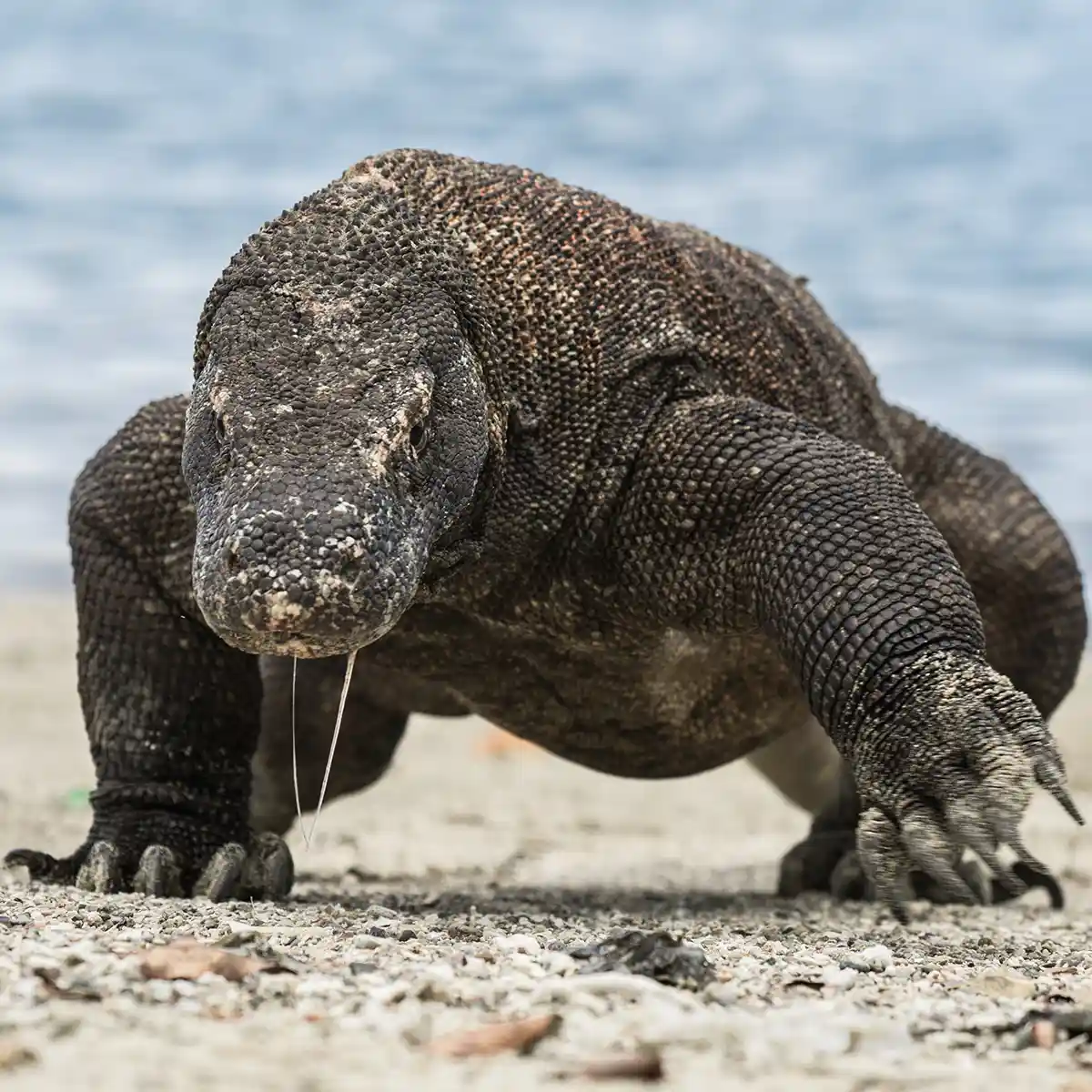
11 Komodo Dragon Facts to Inspire Your Indonesian Adventure
Discover fascinating facts about Komodo dragons and plan your luxury tour to Komodo Island with Boat Komodo Trip. Book…
Read more →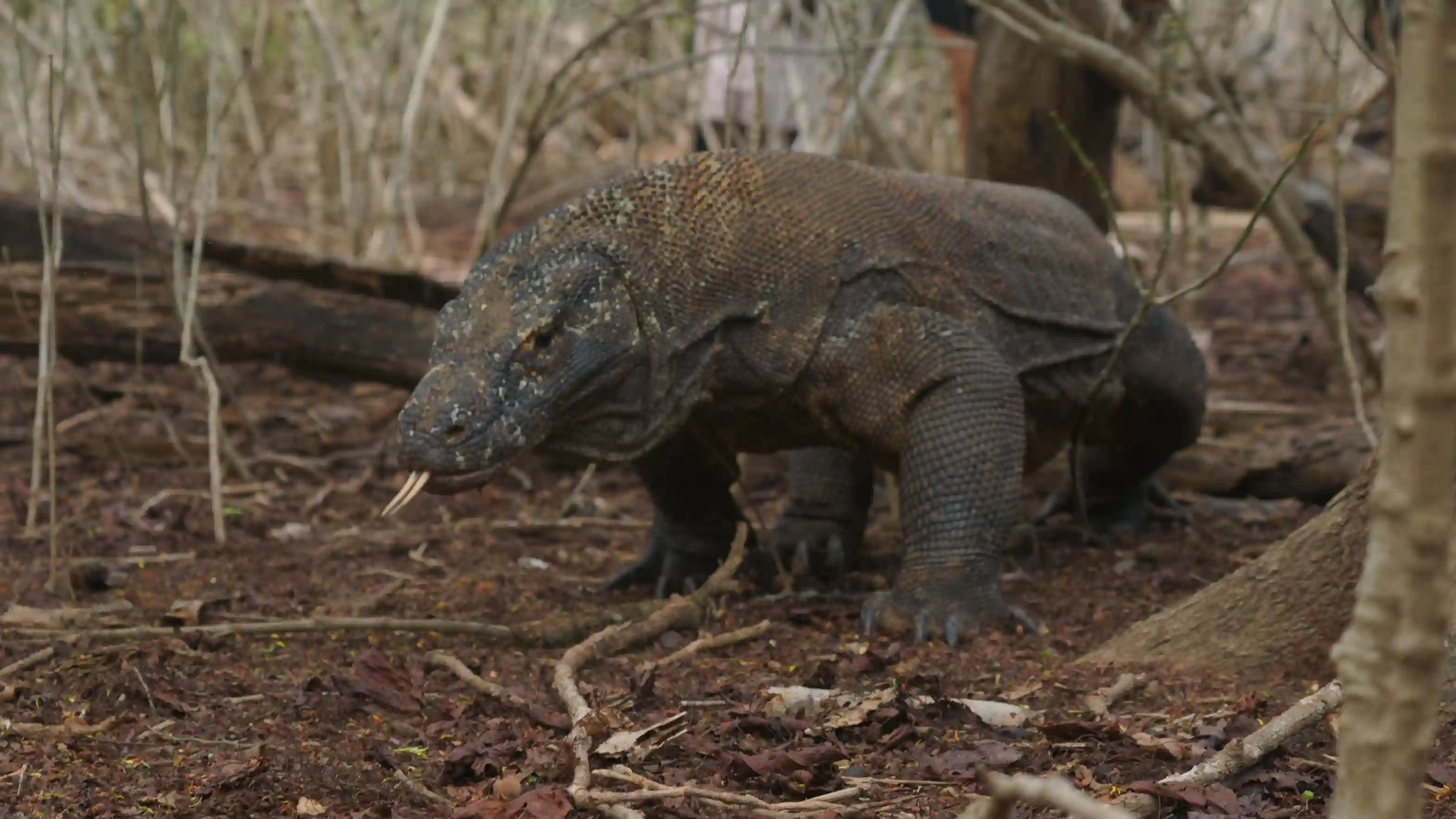
Komodo Dragons' Lifespan: Unveiling the Secrets of the World's…
Discover the fascinating facts about Komodo dragons' lifespan and how it's influenced by their environment and human…
Read more →
10 Unmissable Facts About Indonesia You Need to Know
Discover the fascinating facts about Indonesia that make it a must-visit destination. Book via WhatsApp +62…
Read more →7 Komodo National Park Facts to Know Before Visiting
Discover fascinating Komodo National Park facts, from its unique ecosystem to the best time to visit, to make the most…
Read more →