
More Islands, Deeper Exploration
The Komodo archipelago spans over 29 islands, each with its own rhythm and beauty. A day trip might check off Padar Island or Pink Beach, but it barely scratches the surface. With a multi-day journey, you sail beyond the usual stops—reaching places like Gili Lawa, Taka Makassar, and Sebayur Island, where the reefs are undisturbed and the beaches feel untouched. You’re not just ticking boxes; you’re following tides, chasing sunrises, and discovering coves that most tourists never see. The extra time means you can pause where you’re moved, whether that’s floating above a manta ray cleaning station or hiking to a ridge as fog lifts over the islands.
Life Aboard: Comfort Meets Adventure
A Komodo liveaboard isn’t transportation—it’s part of the experience. Think private cabins with ensuite bathrooms, meals prepared by skilled chefs, and a sun deck where you can stretch out with a book or watch the stars appear one by one. These vessels blend Indonesian craftsmanship with modern comfort, offering a calm base between adventures. You wake up anchored in a new bay, sip coffee as the crew prepares the dinghy, and dive into water so clear it feels like flying. There’s no packing and repacking, no long boat transfers back to Labuan Bajo—just seamless movement from one wonder to the next.
Time to Move with Nature’s Rhythm
In Komodo, timing shapes the experience. Dragons are most active in the cool morning hours. The best snorkeling at Manta Point happens on slack tide. Padar Island’s summit glows in sunrise light, not midday glare. A day tour locks you into a fixed window, often missing these peak moments. A multi-day trip gives you flexibility—your guide can adjust the schedule based on weather, tides, and wildlife sightings. You might wake before dawn for a quiet climb, spend an afternoon drifting with turtles, and end the day with a sunset swim. This isn’t just convenience; it’s alignment with the natural world.
Wildlife, Waters, and Unplanned Magic
The longer you stay, the more you see—and not just on checklist terms. You begin to notice patterns: how reef sharks circle at dusk, how jellyfish pulse in sheltered bays, how birds follow the boat hoping for scraps. Multi-day itineraries often include night snorkeling, where bioluminescent plankton spark beneath your fins. You might drift above a coral garden as octopuses shift colors in the dim light. These aren’t staged moments; they unfold because you’ve given yourself time to be present. And sometimes, the best memories aren’t the views from peaks, but the dolphins riding the bow wave at twilight, or a quiet conversation under a sky full of stars.
Frequently Asked Questions
How many days in Komodo is ideal for first-time visitors?
Is a 7-day trip worth it for Komodo?
What should I pack for a Komodo liveaboard?
When is the best time to visit Komodo for a multi-day trip?
Related Blog Posts

Can You Do a Day Trip from Bali to Komodo? — A Guide
Yes, you can do a day trip from Bali to Komodo with an early flight and guided tour. Discover how to plan it smoothly…
Read more →Can You Do Komodo Island in a Day? Here’s What’s Possible
Yes, you can explore Komodo Island in a day. See Padar, Pink Beach, dragons & more. Plan your seamless day trip with…
Read more →
Experience Komodo Island in One Day: Your Complete Guide to a One Day…
Maximize your time with a one day trip Komodo. Visit Pink Beach, Padar Island, and Komodo dragons—all in 24 hours. Book…
Read more →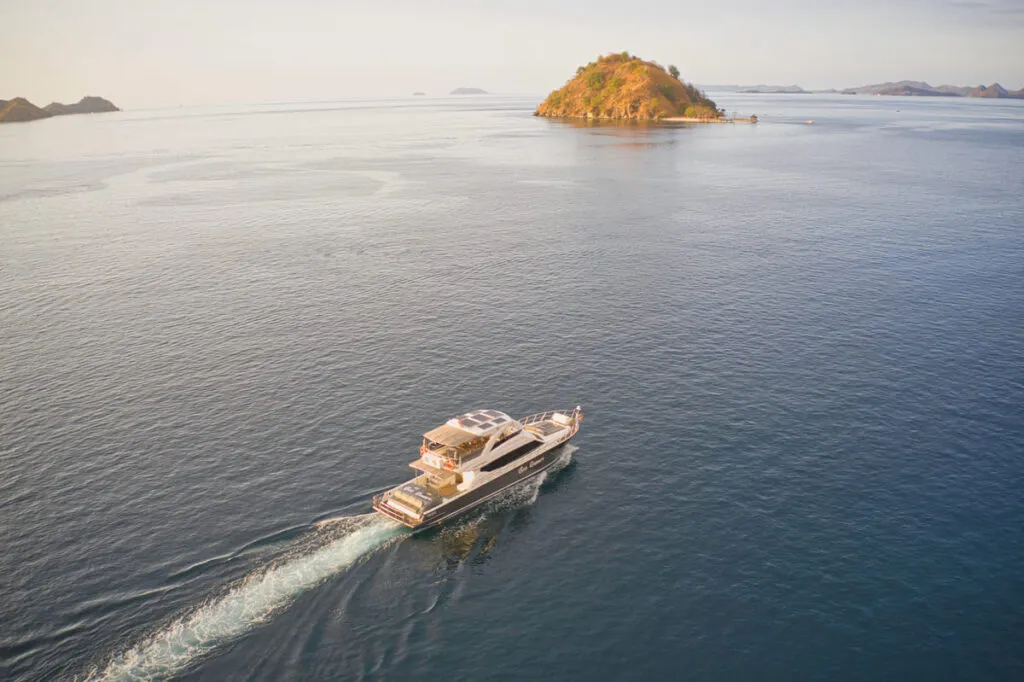
One Day Trip from Singapore to Komodo – Unforgettable Adventure Awaits
Explore Komodo Island's breathtaking natural beauty, Komodo dragons, and exciting activities in just one day. Book your…
Read more →
Is It Worth Going to Raja Ampat?
Discover whether Raja Ampat is worth the journey. Pristine reefs, rare wildlife, and remote beauty await — find out if…
Read more →