
Why Timing Matters in Komodo 2026
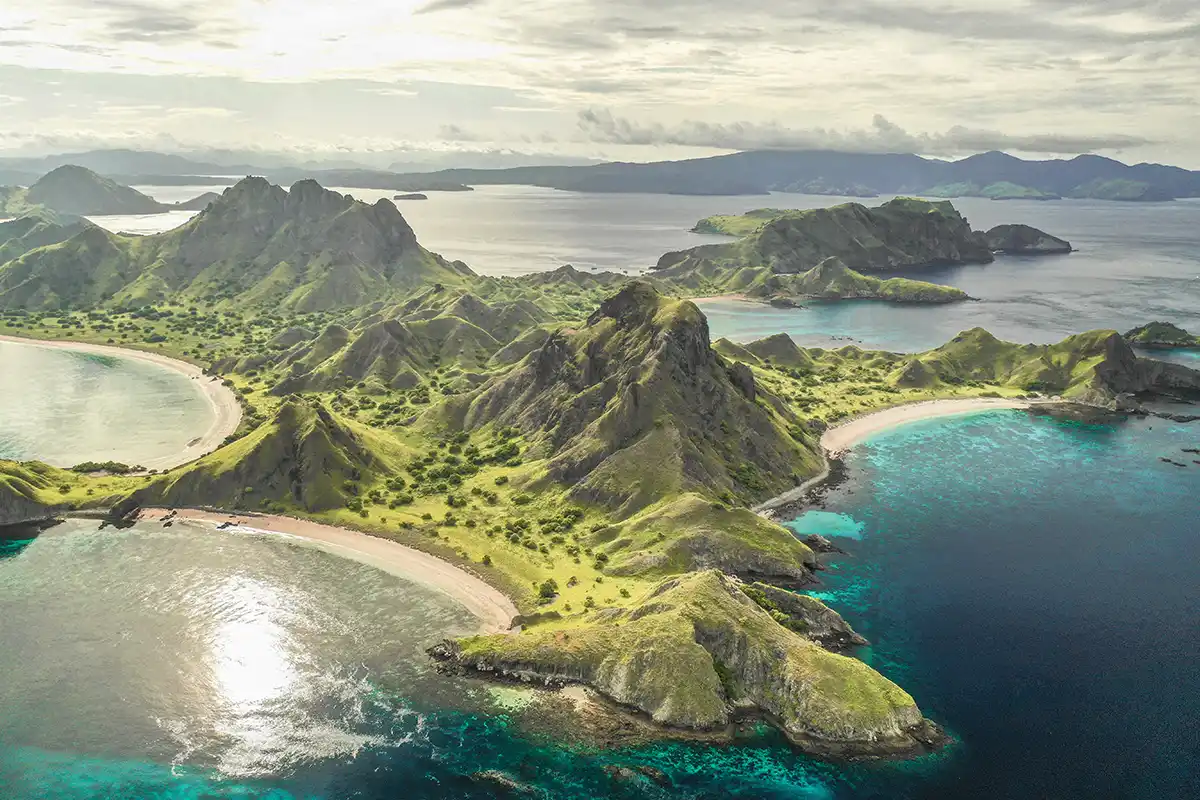
Komodo National Park isn’t just a destination—it’s a rhythm of tides, migrations, and weather systems that shape every experience. In 2026, travelers have more reason than ever to plan with precision. A new daily visitor quota system rolls out in April, reshaping access to iconic spots like Padar Island and Komodo Island. Meanwhile, climate trends continue to influence sea conditions, wildlife behavior, and crowd distribution across the archipelago.
The dry season, running from April to October, remains the most popular window for luxury charters, diving expeditions, and photography-focused trips. During these months, you’ll encounter steady winds, flat horizons, and visibility underwater that often exceeds 25 meters. But within this broad season, subtle shifts make certain months stand out. April through June offers lush, post-rain landscapes with fewer people, while July and August draw peak crowds seeking guaranteed sunshine.
On the other hand, the rainy season—from November to March—brings its own rewards. Though afternoon showers are common and boat transfers can be bumpier, the islands transform into a verdant sanctuary. Fewer visitors mean private moments on secluded beaches and uninterrupted wildlife viewing. For those who value solitude over predictability, this shoulder period delivers a rare kind of intimacy with nature.
Understanding the 2026 Visitor Quota System
Starting April 1, 2026, Komodo National Park will enforce a strict daily visitor limit of 1,000 people across its core zones—Padar Island, Komodo Island, and Rinca trekking areas. This change follows a trial phase from January to March and a simulation period in late 2025, all designed to reduce environmental impact and enhance visitor safety.
Access is now divided into three timed sessions per day:
- Session 1 (05:00–08:00 WITA): Up to 330 visitors, ideal for sunrise hikes on Padar Island.
- Session 2 (08:00–11:00 WITA): Another 330 slots for mid-morning landings.
- Session 3 (15:00–18:00 WITA): Final group of 330, perfect for sunset viewing and cooler afternoon treks.
All entries must be booked in advance through the official SiORA app—no walk-ins or same-day entries allowed. This means your 2026 trip needs planning months ahead, especially if you’re targeting peak season or specific experiences like Komodo dragon tracking at dawn. The quota doesn’t apply to marine activities outside the core zones, so private yacht itineraries with snorkeling, diving, or beach landings in unrestricted areas remain flexible.
Month-by-Month Guide to Komodo in 2026
Each month in Komodo offers a distinct flavor of adventure, shaped by weather, wildlife movements, and human traffic. Knowing what to expect helps you align your trip with your priorities—whether that’s swimming with whale sharks, capturing golden-hour light on Padar, or simply avoiding crowds.
April to June: The Shoulder Sweet Spot After the rainy season ends, the islands burst into life. Grasslands glow green, waterfalls flow, and temperatures hover between 28–33°C—warm but not oppressive. Seas are calm, visibility underwater reaches 15–30 meters, and manta sightings are consistent. May through June is also when whale sharks appear most frequently, with encounters reported in 30–40% of dives in certain channels. Crowds are building but still manageable, and prices for luxury yachts and guided tours sit 20–30% below peak-season rates. It’s an ideal window for photographers, active travelers, and those who want vibrant scenery without the July rush.
July to August: Peak Season in Full Swing These are the hottest months, with temperatures climbing to 35°C and humidity high, but rainfall is rare and skies stay clear. Sailing conditions are excellent, making this a favorite for multi-day luxury charters and island-hopping itineraries. It’s also Komodo dragon mating season—males become territorial and more visible during guided treks, offering dramatic wildlife moments. However, manta activity dips as mature rays migrate south for feeding. Demand is highest, so bookings fill early and prices reflect that. If you’re traveling in July or August, secure your spot by January at the latest.
September to October: The Golden Window As peak season winds down, September and October open a sweet spot for travelers who want the best of both worlds. Weather remains stable—warm days, calm seas, and strong visibility—while crowds thin out significantly. Manta rays return to central sites like Manta Point, drawn by plankton blooms. This period is ideal for private yacht charters, bespoke diving trips, and unhurried exploration. You’ll find greater flexibility in itinerary design and better availability for premium services.
November to March: Quiet Season, Deep Green The wet season brings higher humidity and unpredictable showers, typically short but intense. Sea conditions can be rougher, limiting some boat-based activities. Yet this is when the landscape feels most alive—lush, misty, and dramatically beautiful. Tourist numbers drop sharply, giving you near-private access to trails, beaches, and viewpoints. Resorts and land-based tours operate year-round, making this a compelling choice for couples, writers, or anyone seeking stillness. Just be prepared for occasional itinerary adjustments due to weather.
Match the Season to Your Travel Style
Komodo isn’t a one-size-fits-all destination. The best time for you depends on what moves you—whether it’s the rush of spotting a Komodo dragon in the wild, the silence beneath the surface while diving, or the simple pleasure of having a beach to yourself.
For Adventure Seekers If your ideal day involves hiking rugged trails, kayaking through mangroves, or exploring hidden coves by dinghy, aim for April to June. The terrain is soft from recent rains, temperatures are comfortable, and sea conditions support safe, long-range excursions. You’ll avoid the mid-year rush while still enjoying reliable weather for active days.
For Marine Life Lovers Snorkelers and divers should target May to September. Water clarity peaks during these months, and currents bring nutrient-rich flows that attract mantas, reef sharks, and occasional whale sharks. Remote dive sites like Castle Rock and Crystal Rock become accessible with minimal surface chop. Luxury yachts with onboard gear and expert guides make it easy to maximize your time below the surface.
For Wildlife Enthusiasts Komodo dragons are most active from April to October, especially in the morning hours when rangers lead guided treks. The mating season in July and August increases visibility of male dragons patrolling territory. For birdwatchers, the wet season (November–March) brings migratory species to the mangroves and coastal forests. Meanwhile, manta rays follow seasonal plankton cycles—arriving in central zones from September onward and retreating south during mid-year.
Frequently Asked Questions
When does the Komodo visitor quota start in 2026?
What is the best month to see Komodo dragons?
Can I still dive in Komodo during the rainy season?
How far in advance should I book my 2026 Komodo trip?
Related Blog Posts
Best Time to Visit Labuan Bajo for Komodo Adventures
Plan your Komodo trip with confidence. Discover the ideal months for wildlife, diving, and festivals in Labuan Bajo –…
Read more →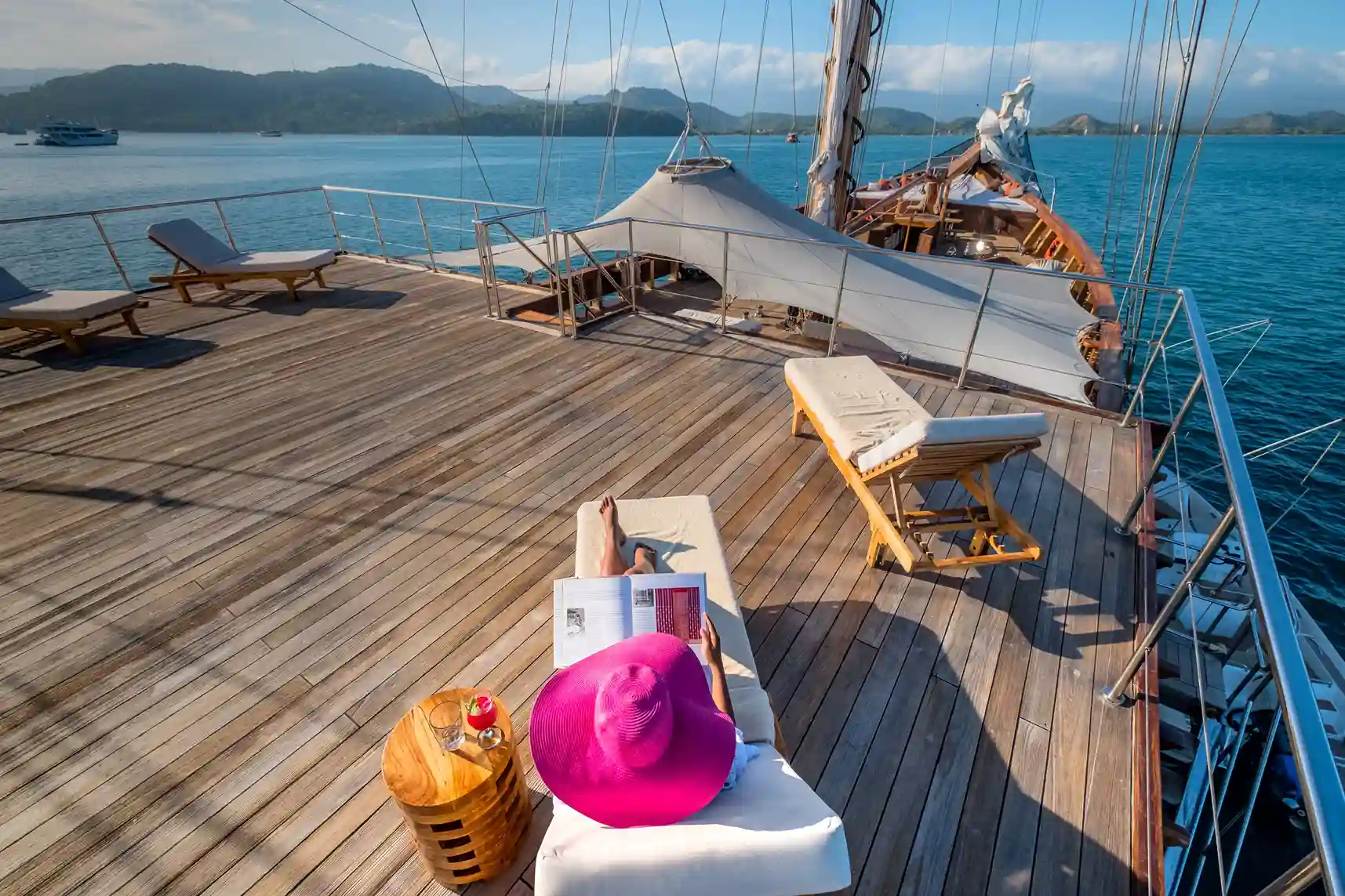
Best Time for Liveaboard in Komodo 2026
Discover the best time for liveaboard in Komodo with Boat Komodo Trip. Plan your ultimate Komodo tour and enjoy…
Read more →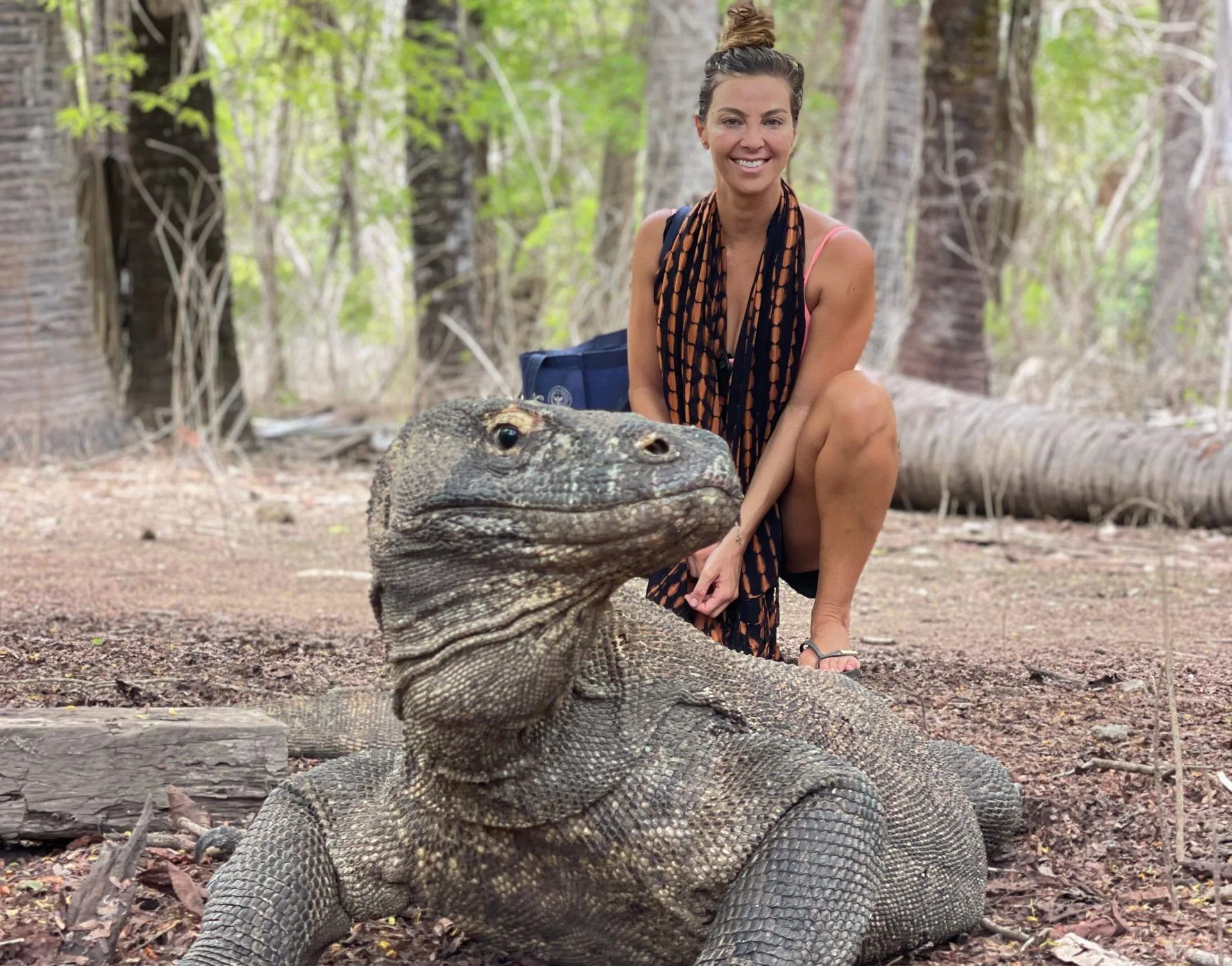
Best Time to Visit Komodo Island: A Seasonal Guide
Discover the best time to visit Komodo Island in 2026, from sunny dry seasons to lush green months. Get expert tips on…
Read more →Best Time to Sail in Komodo National Park 2026
Discover the ideal months to sail Komodo National Park in 2026. Maximize diving, wildlife, and calm seas with expert…
Read more →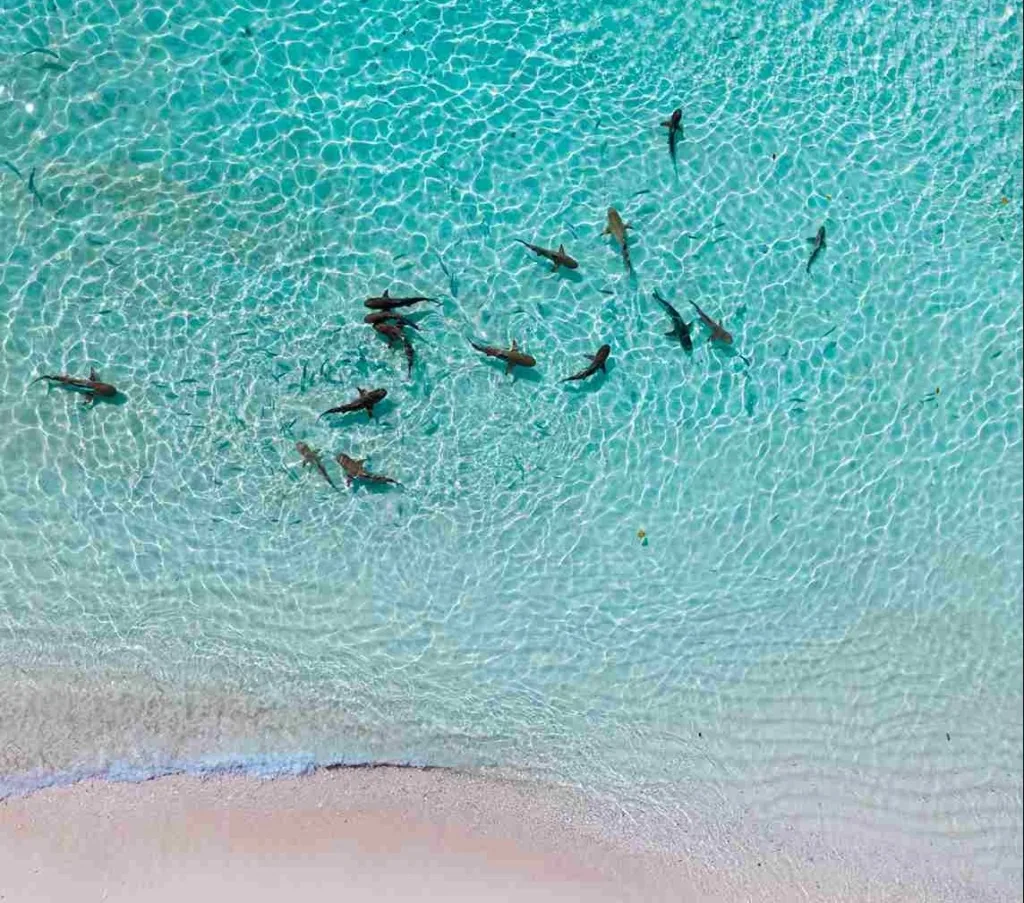
Best Time to Visit Raja Ampat
Plan your Raja Ampat trip with confidence. Discover the ideal months for diving, manta encounters, and island…
Read more →