
How to Visit Kelimutu Crater Lakes
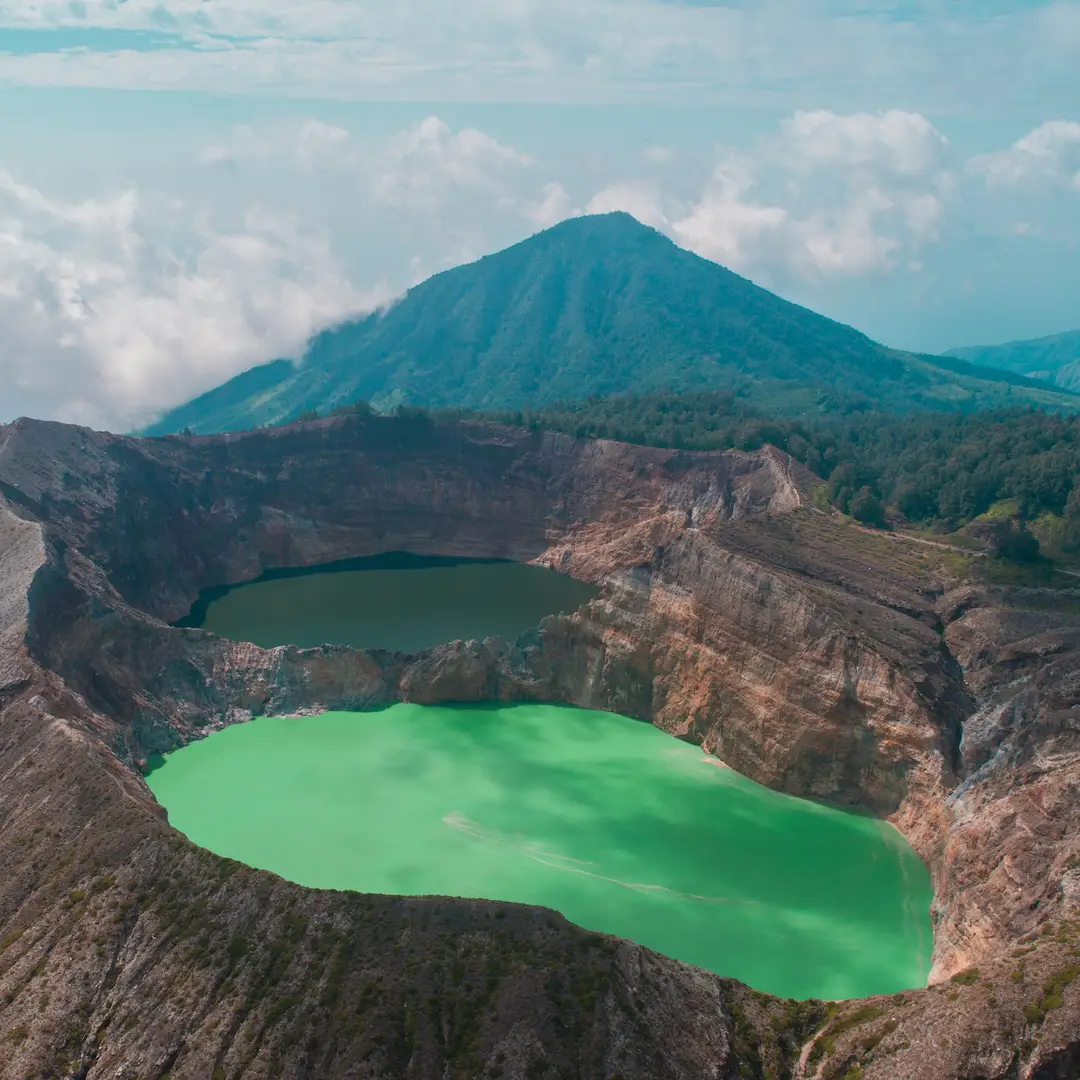
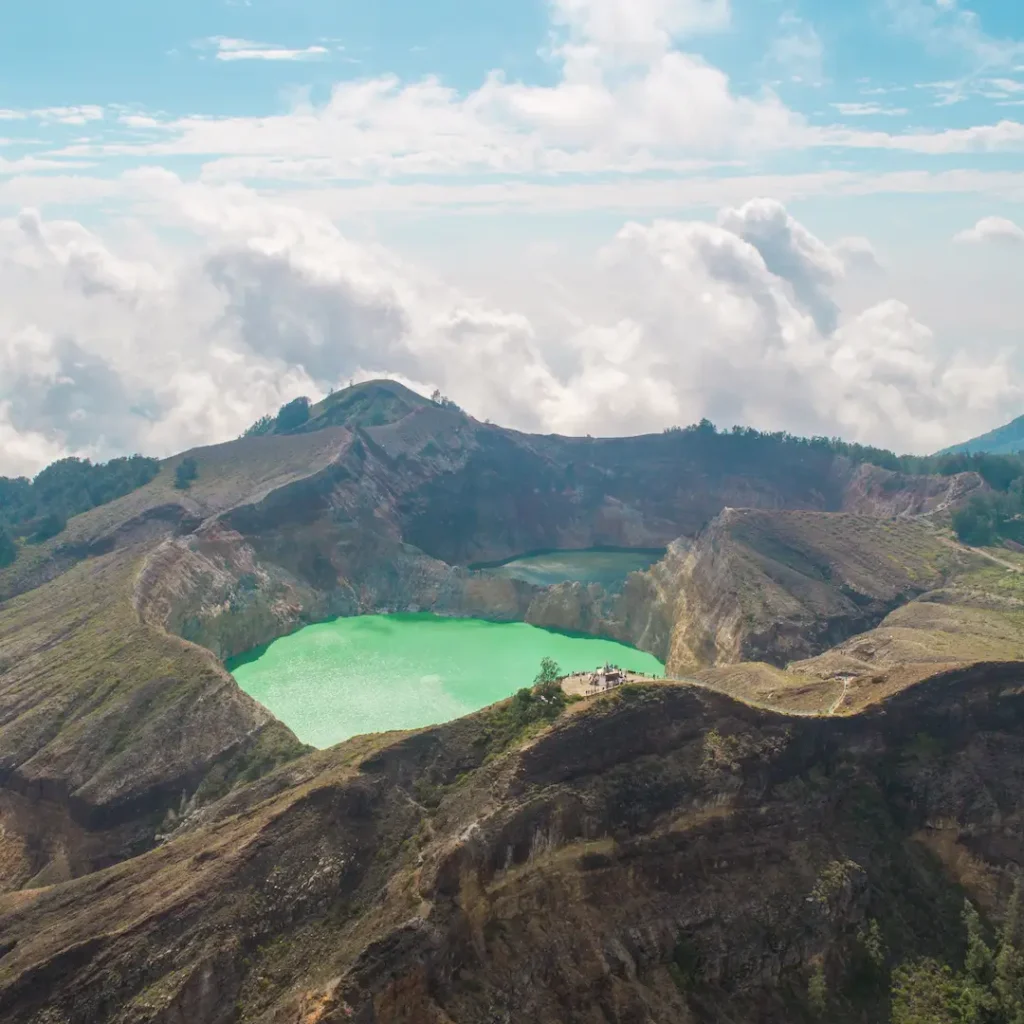
Reaching Kelimutu requires a journey into the highlands of Flores, but the route is straightforward. The best time to visit is during the dry season, from April to October, when clear skies offer uninterrupted views of the lakes at sunrise.
Fly into Ende Airport via connections from Bali, Jakarta, or Labuan Bajo — the flight from Labuan Bajo takes about 50 minutes. From Ende, a 90-minute drive brings you to Moni Village, the quiet gateway to Kelimutu National Park. Here, homestays offer simple, warm accommodations with mountain views.
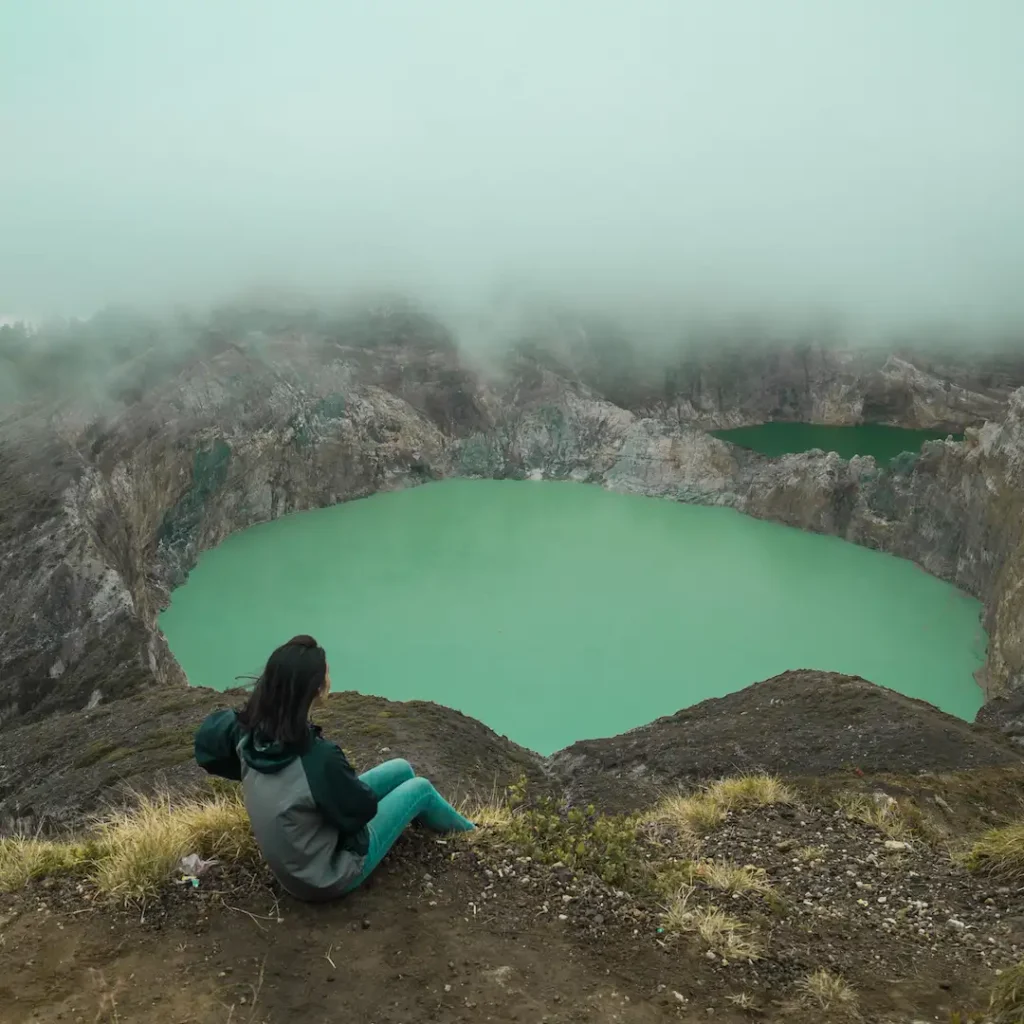
Most visitors start early — around 5 AM — to reach the crater rim by 6:30–7 AM, when morning light illuminates the lakes before clouds roll in. Hire a local ojek (motorbike taxi) or arrange transport through your homestay. Entry fees are IDR 150,000 for foreign adults on weekdays, IDR 250,000 on weekends. Indonesian nationals pay IDR 5,000. Tickets allow multiple entries in one day, so you can return later to see the lakes under different light.
Gallery
Pricing
Rates as published on our legacy listing. Contact us for current availability, seasonal rates, and private-charter offers.
| Category | Price |
|---|---|
| Get a Car From Ende Airport to Moni Village Peak | IDR 400,000 /Person |
| Arrange a Transportation to Go to Kelimutu Peak | IDR 150,000/person /Person |
Frequently Asked Questions
Why do the Kelimutu lakes change color?
Can you swim in the Kelimutu Crater Lakes?
What is the best time to see the Kelimutu lakes?
What is the Pati Ka ritual at Kelimutu?
Related Blog Posts
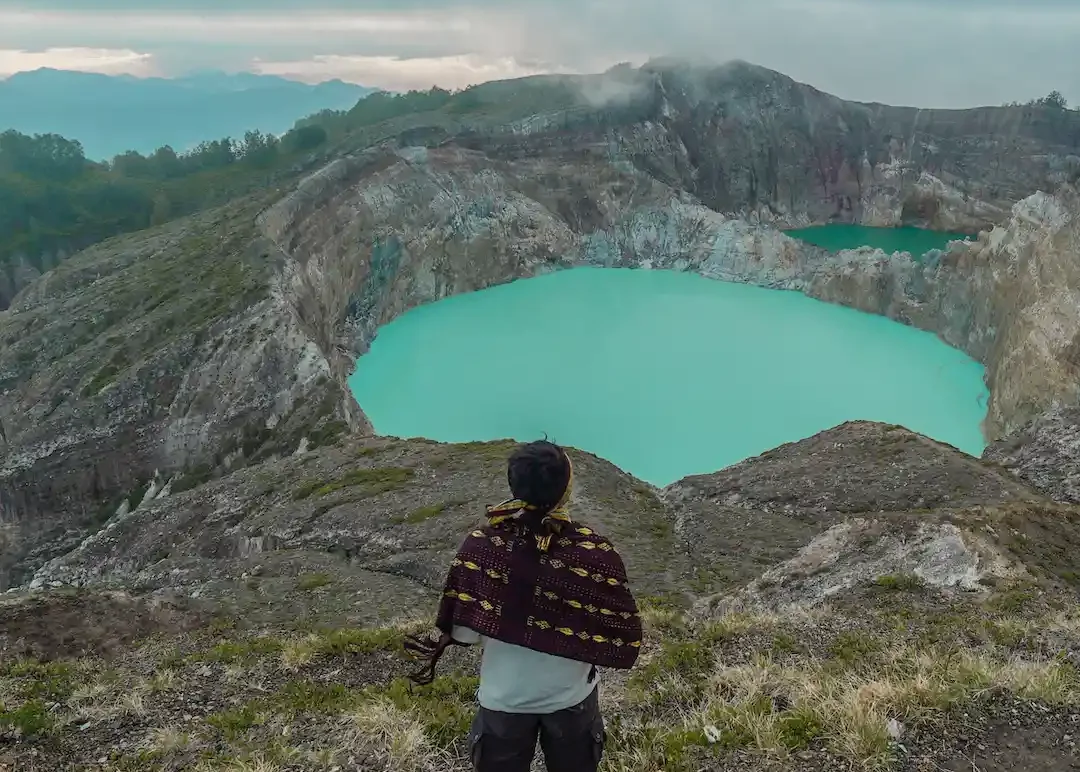
The Changing Color of Kelimutu Lakes, It Is Unpredictable
Discover why Kelimutu Lakes change color and what drives this rare natural phenomenon. Plan your Flores visit with…
Read more →
10 Must-See Flores Island Attractions for Nature and Culture Lovers
Explore the top Flores Island attractions—from Kelimutu's colored lakes to hidden waterfalls. Plan your adventure with…
Read more →
10 Must-Visit Spots in Flores Beyond Komodo Island
Explore the uncharted beauty of Flores Island, Indonesia, beyond Komodo Island. Discover stunning beaches, waterfalls,…
Read more →Flores Island Traditional Villages: Discover the Culture and…
Explore Flores traditional villages like Wae Rebo and Bena. Experience ancestral customs, unique architecture, and…
Read more →Best Time to Visit Flores Island
Discover the best time to visit Flores Island for an unforgettable adventure! Book your Komodo Island tour with Boat…
Read more →