
Why Komodo Still Captivates Travelers
More than just a must-see checkbox, Komodo offers layered experiences that reward curiosity and adventure. Whether you're hiking across rust-colored ridges or floating above coral gardens, the park delivers moments few destinations can match.
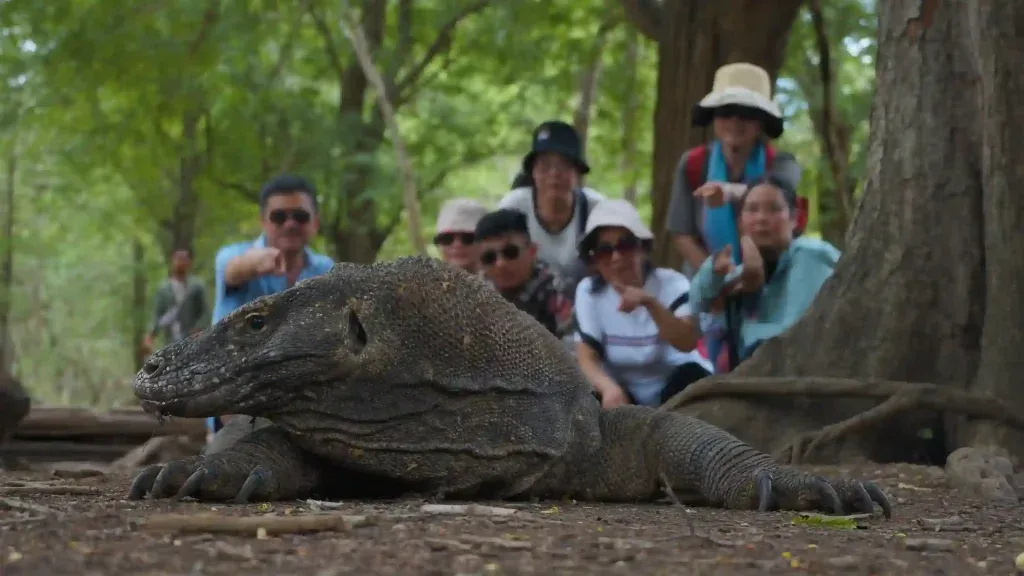
The star attraction remains the Komodo dragon—reaching up to 3 meters long and weighing over 70kg. These apex predators have keen eyesight, can sprint up to 20 kph, and are strong swimmers. While sightings are carefully managed for safety, seeing one move through its natural habitat is a humbling reminder of evolution’s power. Rangers always accompany visitors during dragon treks, ensuring both human and reptile remain unharmed.
How to Plan Your Visit in 2026
Getting to Komodo starts with a flight to Labuan Bajo (LBJ), the gateway town on Flores Island. Direct domestic flights connect from major hubs like Jakarta (approx. 2 hours), Bali (1h 15m), and Surabaya. Fares start around IDR 1,200,000 (~USD 77), though prices fluctuate by season.
From Labuan Bajo, the only way into the park is by boat—typically a traditional Phinisi schooner or speedboat. Multi-day liveaboard trips offer the most immersive way to explore, allowing access to remote dive sites, sunrise hikes, and secluded bays. Boat Komodo Trip provides curated itineraries with comfortable cabins, onboard meals, and expert guides, removing the logistics so you can focus on the experience.
Entry fees are paid in cash at the park: IDR 250,000 (~USD 15.90) for foreign adults on weekdays, rising to IDR 375,000 (~USD 23.84) on holidays. Indonesian citizens pay less, and children’s rates also apply. These fees support conservation and community programs, making your visit a contribution to preservation.
Gallery

Pricing
Rates as published on our legacy listing. Contact us for current availability, seasonal rates, and private-charter offers.
| Category | Price |
|---|---|
| 1. Flight to Labuan Bajo | IDR 1,200,000 |
| How Much Does It Cost to Visit Komodo National Park | IDR50,000 |
| How Much Does It Cost to Visit Komodo National Park | IDR250,000 |
| How Much Does It Cost to Visit Komodo National Park | IDR75,000 |
| How Much Does It Cost to Visit Komodo National Park | IDR375,000 |
Frequently Asked Questions
What is the best time to visit Komodo National Park?
Do I need a permit to enter Komodo National Park?
Can I see Komodo dragons safely?
Is swimming or diving safe in Komodo National Park?
Related Blog Posts
Do You Need a Visa for Visit to Komodo Island? Here’s What You Need…
Planning a trip to Komodo Island? Find out if you need a visa, which type to choose, and how to enter Indonesia…
Read more →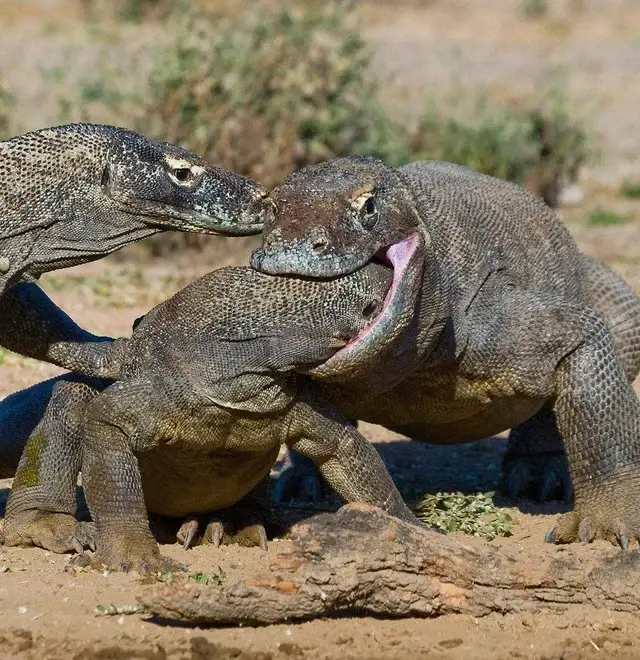
How to Travel to Komodo Island 2026 – Visit Komodo National Park
Discover the ultimate guide to traveling to Komodo Island in 2026, including the best time to visit, how to get there,…
Read more →7 Komodo National Park Facts to Know Before Visiting
Discover fascinating Komodo National Park facts, from its unique ecosystem to the best time to visit, to make the most…
Read more →
Komodo Boat Tour: Complete Guide to Komodo National Park with Boat…
Discover essential tips, rules, and highlights for your Komodo boat tour. Plan wisely and explore with confidence.…
Read more →Best Time to Sail in Komodo National Park 2026
Discover the ideal months to sail Komodo National Park in 2026. Maximize diving, wildlife, and calm seas with expert…
Read more →