
Komodo Dragons: Indonesia’s Living Prehistoric Predators
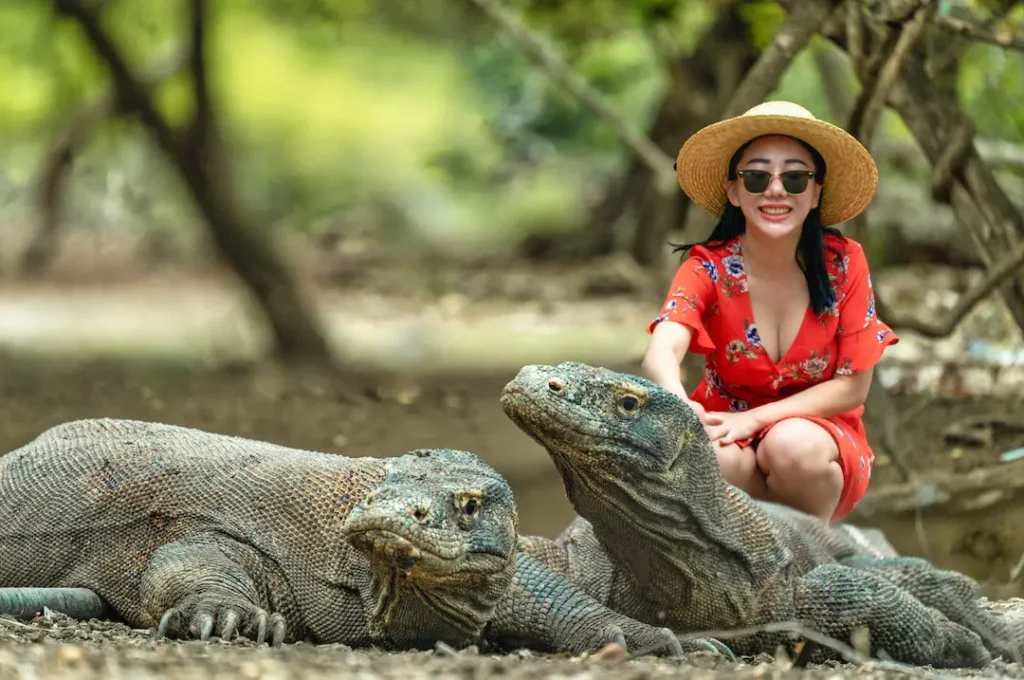
On the remote islands of eastern Indonesia, the Komodo dragon reigns as the world’s largest lizard. Found only within Komodo National Park and a few surrounding islands, these reptiles are evolutionary holdouts—largely unchanged for millions of years. Growing up to 3 meters long and weighing around 70 kilograms, they dominate their ecosystems as apex predators.
Their discovery by Western science in 1910—after a Dutch pilot heard local accounts of ‘land crocodiles’—sparked global fascination. Komodo dragons hunt with a combination of strength, stealth, and venomous saliva that weakens prey over time. Despite their fearsome reputation, they are also highly intelligent and display complex behaviors, from territorial patrols to communal feeding. Seeing one glide silently through dry savanna is like stepping into another era.
Why Australian Travelers Should Explore Komodo National Park
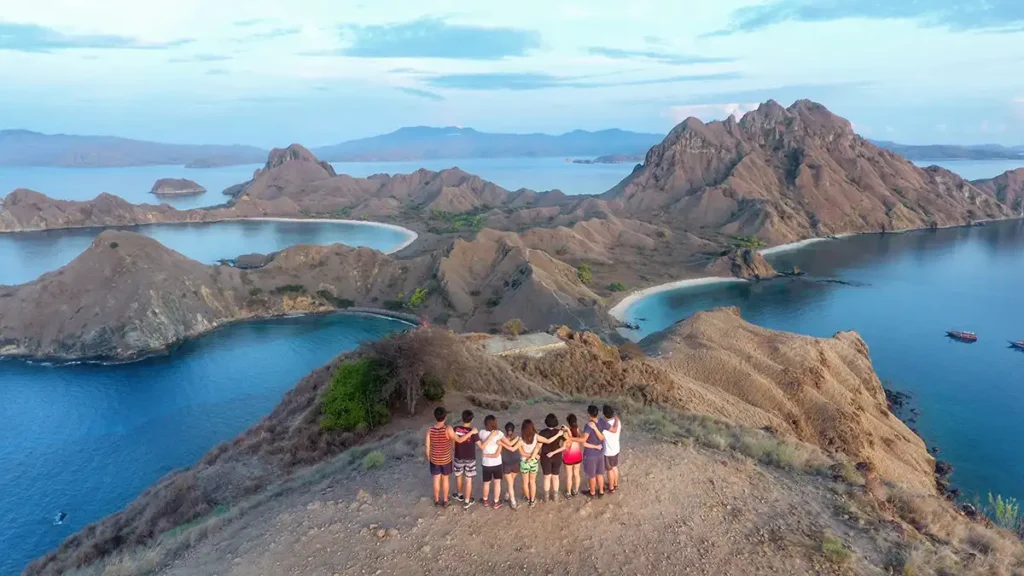
For Australians drawn to wild landscapes and unique fauna, Komodo National Park offers a natural counterpart to their own outback wonders. Just a short flight from Bali or Jakarta to Labuan Bajo opens the door to an archipelago of dramatic cliffs, pink-sand beaches, and marine biodiversity that rivals the Great Barrier Reef.
Beyond the dragons, the park supports diving among manta rays, trekking across the iconic slopes of Padar Island, and cruising through straits where currents fuel thriving coral ecosystems. As an ecotourism destination, it balances visitor access with conservation, ensuring that tourism directly benefits local communities and species protection. For those who’ve marveled at kangaroos at home, witnessing Komodo dragons in the wild completes a deeper story of evolution, isolation, and survival.
Gallery
Frequently Asked Questions
Where can I see Komodo dragons in the wild?
Are Komodo dragons dangerous to tourists?
How do kangaroos and Komodo dragons contribute to their ecosystems?
Is it easy for Australians to travel to Komodo National Park?
Related Blog Posts
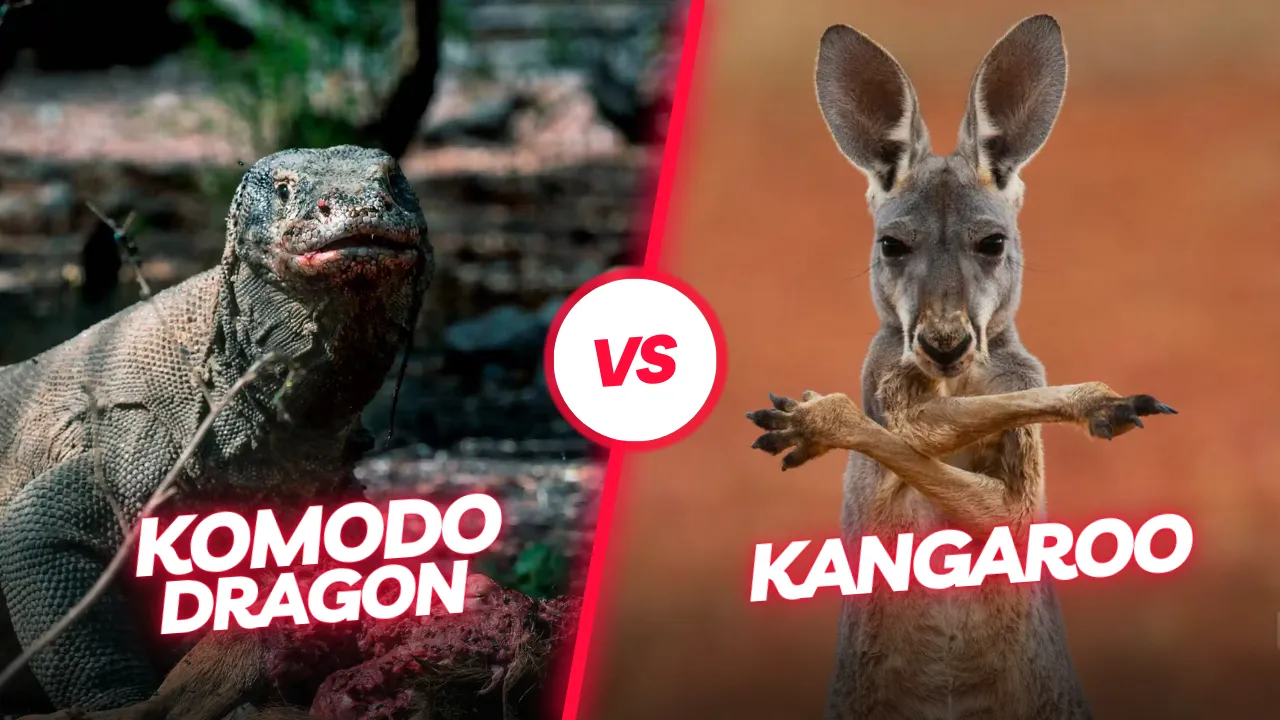
Komodo Dragons vs Kangaroos: A Battle of Strength and Speed
Learn about the unique traits of Komodo dragons and kangaroos, and find out who would win in a hypothetical fight. Book…
Read more →
Komodo Island vs Australia: Nature's Wonders Compared
Discover the unique charm of Komodo Island and Australia's breathtaking landscapes. Read our comprehensive guide to…
Read more →From Australia to Komodo Island: A Complete 2026 Guide
Plan your 2026 trip from Australia to Komodo Island with confidence. Discover flights, boat tours, and expert tips for…
Read more →
Wildlife Adventures: From UK's Wildlife Reserves to Komodo National…
Experience the thrill of adventure in the UK's wildlife reserves and Komodo National Park, a UNESCO World Heritage Site.
Read more →From Australia to Raja Ampat 2026: A Traveler’s Guide
Plan your 2026 trip from Australia to Raja Ampat with flight routes, permits, and luxury liveaboard options. Start your…
Read more →