
Why Seasonality Matters for Komodo Dragon Sightings?
Komodo dragons are cold-blooded, meaning their behavior changes with temperature and the time of year. By planning your trek around these natural rhythms, you can enhance your chances of spotting Komodo dragons and enjoy a more comfortable and safe experience. The season you choose determines whether you'll see them basking in the sun, guarding nests, or hiding deep in the forest.
Komodo Dragon Season: Timeline of Komodo Dragon Activity by Month
Every season in Komodo National Park brings a different rhythm to the dragons' lives. Their behavior shifts as nature changes, from post-mating hunts to nesting and quiet retreats during hotter months. The post-mating period, from March to May, is one of the best times to witness multiple Komodo dragons along short and medium treks. Early morning treks are recommended for the best chance to see Komodo dragons, but expect fewer open encounters compared to post-mating or post-nesting periods.
What Do Komodo Dragons Do When It's Not Mating Season?
When Komodo dragons aren't busy with courtship or guarding their nests, they display a fascinating range of daily behaviors that reveal their instincts as apex predators. These moments, often quieter and more subtle than the mating season, offer travelers a glimpse of how these creatures truly live and survive in the wild. Outside of mating and nesting periods, Komodo dragons engage in hunting and ambushing, scavenging, thermoregulation, and juvenile tree-dwelling behaviors that are equally captivating to observe.
Frequently Asked Questions
What is the best time to see Komodo dragons in Komodo National Park?
Why do Komodo dragons retreat into shade during the hot and wet months?
Can I see Komodo dragons on beaches near landing points?
What should I expect when I see a Komodo dragon in the wild?
Related Blog Posts
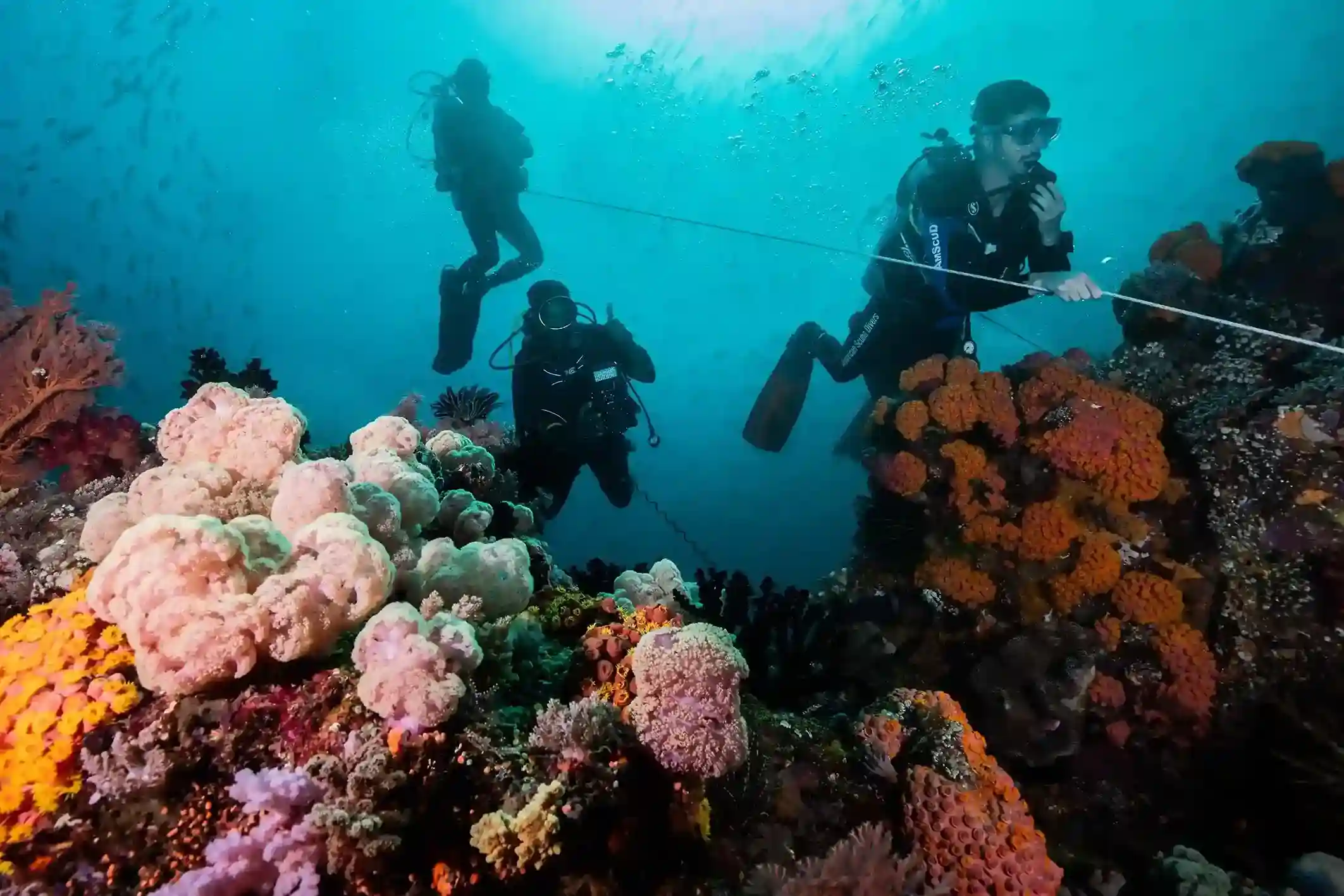
Komodo Diving Season 2026: Timing the Perfect Dive
Discover the best time for Komodo diving in 2026 with insights on marine life, visibility, and the ideal liveaboard…
Read more →Mating Season Komodo Dragon: A Rare and Unforgettable Experience
Join Boat Komodo Trip for a unique and thrilling experience during the Komodo dragon mating season, where you'll…
Read more →The Best Season to Charter in Komodo for an Unforgettable Voyage
Discover the best season to charter a yacht in Komodo. Compare dry and wet season conditions and plan your private…
Read more →Komodo Peak Season 2026: Expert Insights
Plan your Komodo trip during peak season 2026 with expert advice on best months, conditions, and tips for a seamless…
Read more →The Best Time to Visit Pink Beach Komodo
Discover the best time to visit Pink Beach Komodo, from dry season to rainy season, and plan your trip with our expert…
Read more →