
Exploring the Kerala Backwaters
The Kerala Backwaters stretch along India’s southwestern coast, a labyrinth of interconnected canals, rivers, and lagoons that flow parallel to the Arabian Sea. This network supports a rich ecosystem, from water lilies and mangroves to kingfishers and otters, while sustaining centuries-old village life built around fishing and coir production.
A houseboat cruise on a converted kettuvallam offers the most immersive way to experience the region. These wooden boats, once used for transporting rice, now feature open decks and shaded lounges where you can sip chai as you pass coconut groves, paddy fields, and children waving from bamboo bridges. It’s a slow, rhythmic journey—perfect for travelers seeking cultural intimacy and peaceful scenery.
Why Komodo National Park Stands Apart
Komodo National Park, a UNESCO site in eastern Indonesia, is defined by rugged islands, volcanic hills, and some of the planet’s most vivid marine environments. Its most famous beach—Pink Beach—gets its blush from crushed red coral and microscopic Foraminifera mixed into white sand, creating a surreal shoreline that shifts in tone with the light.
Beyond the beaches, the park is a sanctuary for the Komodo dragon and a hotspot for diving. Currents bring nutrient-rich waters, fueling coral gardens teeming with reef sharks, manta rays, and colorful reef fish. Because access is limited and conservation is prioritized, the sense of discovery here remains palpable—few places on Earth feel this untouched.
Timing, Access, and How Long to Stay
In Kerala, the ideal window is November to February—dry, cool, and perfect for houseboat glides. Monsoon months (June–September) bring lushness but unpredictable weather, while March to May can be humid. Most travelers spend 3–4 days in the backwaters, often combining it with visits to tea plantations or spice farms in nearby highlands.
Komodo’s dry season runs April through December, when calm seas support diving, island hikes, and smooth boat transfers. January to March brings rain and higher humidity, though fewer crowds. To truly explore—seeing Komodo dragons on Rinca, hiking Padar for panoramic views, and diving at Manta Point—plan at least 4 to 12 days aboard a liveaboard or through multi-day tours from Labuan Bajo.
Frequently Asked Questions
Can you swim in the Kerala Backwaters?
What is the best time to visit Komodo National Park?
How do I get to the Kerala Backwaters?
How do I reach Komodo National Park?
Related Blog Posts
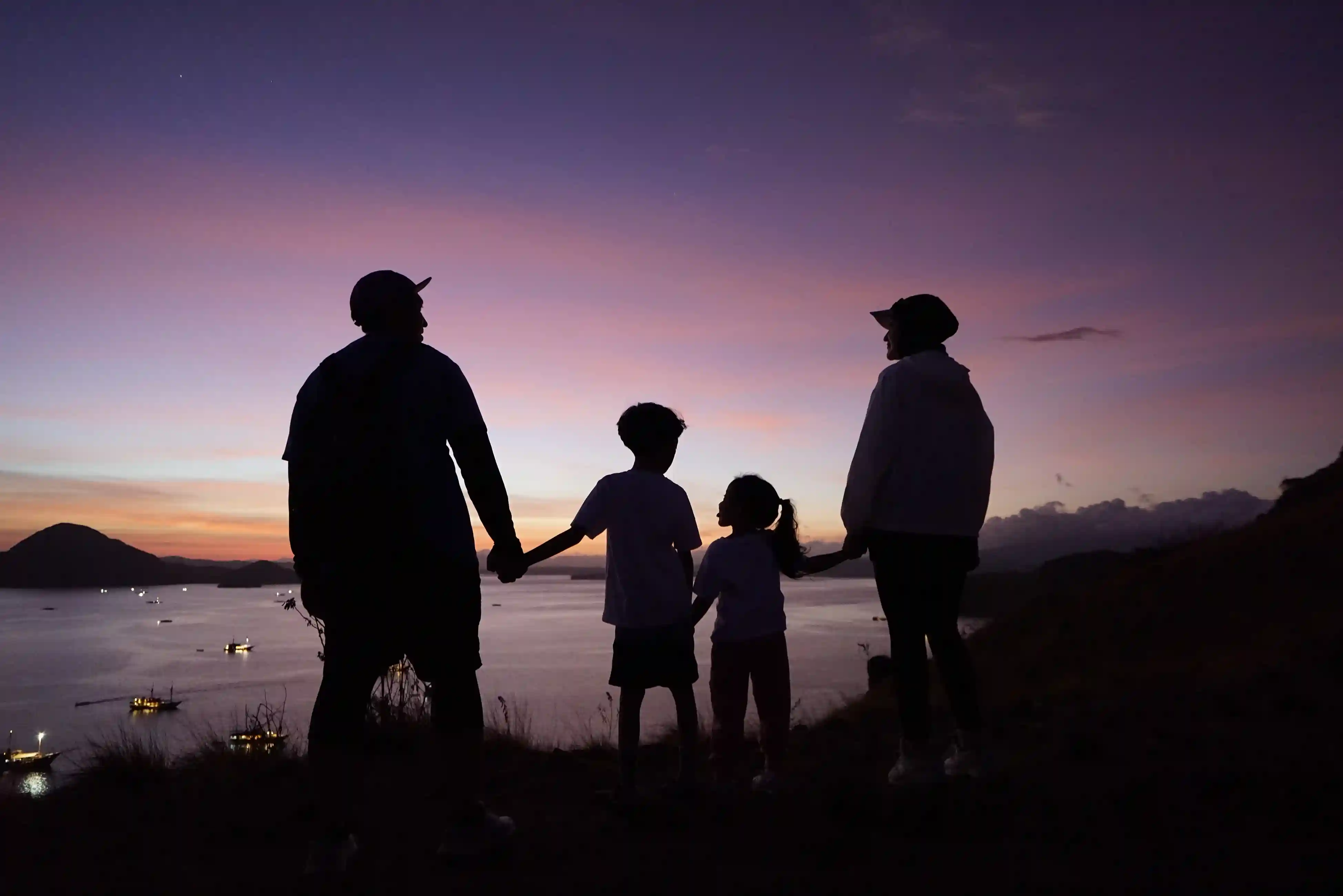
Komodo National Park Activities
Discover the ultimate guide to Komodo National Park activities, from snorkeling and diving to trekking and cultural…
Read more →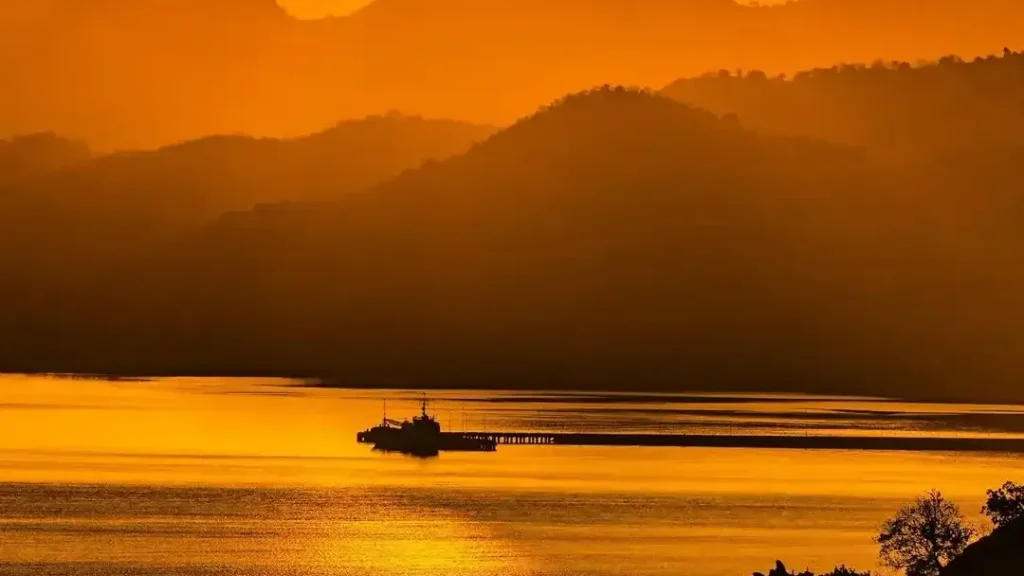
Discover Komodo's Hidden Beaches with Boat Komodo Trip
Explore Komodo National Park's most captivating beaches, from Pink Beach to Red Beach, with Boat Komodo Trip's expert…
Read more →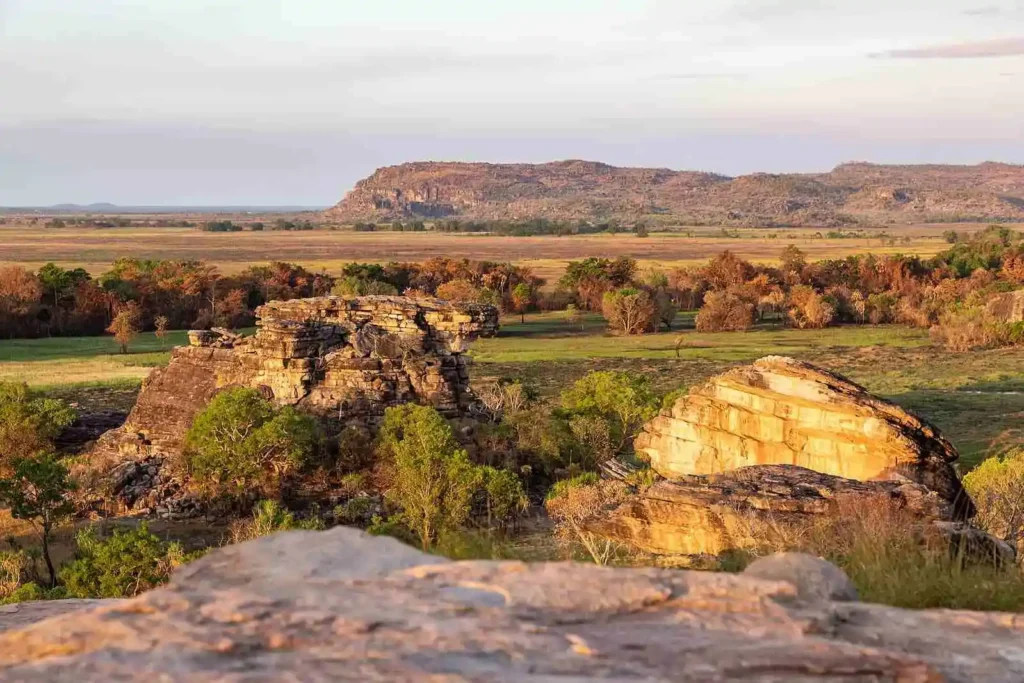
Komodo National Park vs Kakadu National Park: Which Nature…
Discover the differences between Komodo National Park and Kakadu National Park. Explore Komodo National Park with Boat…
Read more →Why Komodo National Park is a Must-See Destination
Explore the must-see attractions of Komodo National Park with Boat Komodo Trip, from ancient dragons to stunning…
Read more →
Komodo National Park Guide 2026: What You Need to Know
Discover Komodo National Park with essential tips on access, wildlife, and responsible travel. Plan your journey…
Read more →