
Why March Offers a Balanced Komodo Experience
March marks a quiet turning point in the Komodo archipelago. The tail end of the rainy season blends with the first hints of drier weather, creating a sweet spot where landscapes are still lush and green, but daily disruptions from rain are brief and predictable. This in-between phase means fewer travelers, giving you more space at key sites like Rinca Island and Manta Point—ideal if you're seeking a journey that feels personal, not packaged.
What sets March apart is how it balances accessibility with authenticity. You’re not battling peak-season crowds, yet infrastructure and services run smoothly. For those on a yacht charter, this means your captain can adjust anchorages based on morning conditions, ensuring each day unfolds at its best. It’s not the most stable month of the year, but it’s one of the most rewarding for travelers who value rhythm over rigidity.
Weather, Water, and What to Pack
Temperatures in March hover between 26°C and 32°C (79°F–90°F), with humidity that’s present but eased by steady sea breezes. Rain, when it comes, usually passes in short afternoon showers—rarely lasting more than an hour. This pattern leaves mornings and late afternoons wide open for island treks, snorkeling, or simply unwinding on deck with a clear horizon.
The ocean reflects this transition. Surface conditions may have slight chop early in the month, but they stabilize quickly. Visibility underwater ranges from 10 to 20 meters, improving as March progresses. While not yet at its crystal-clear peak, the water remains rich with plankton, drawing in manta rays and schooling fish. For packing, think lightweight, quick-dry clothing and a compact rain shell. A wide-brimmed hat and reef-safe sunscreen are non-negotiables.
Wildlife & Diving: What You’ll Actually See
This is when Komodo dragons become more active after mating season. Between 6 and 9 AM, they’re often spotted basking on trails or moving through open scrubland, making early treks on Komodo or Rinca Island especially productive. With fewer groups around, your ranger can guide you more closely to sighting zones without the usual wait.
Underwater, March keeps delivering. Manta Point remains reliable, with frequent encounters as plankton feeds the currents. You’ll also find trevallies, reef sharks, and dense coral formations thriving in the nutrient flow. Drift dives at sites like Karang Makassar are still manageable, particularly when timed with slack tides. On a private charter, your dive team can align schedules with tidal windows, giving you safer, more immersive dives than fixed-day tours can offer.
Frequently Asked Questions
Is March part of the rainy season in Komodo?
Can you snorkel in Komodo in March?
Are Komodo dragon sightings guaranteed in March?
Does a yacht charter offer advantages in March?
Related Blog Posts
Can You Visit Komodo Island in October 2026? Here’s What to Expect!
Wondering if you can visit Komodo Island in October? Discover weather conditions, diving visibility, Komodo dragon…
Read more →Can You Visit Komodo Island in April 2026? Here’s What to Expect
Wondering if you can visit Komodo Island in April? Discover real insights on weather, diving conditions, and crowd…
Read more →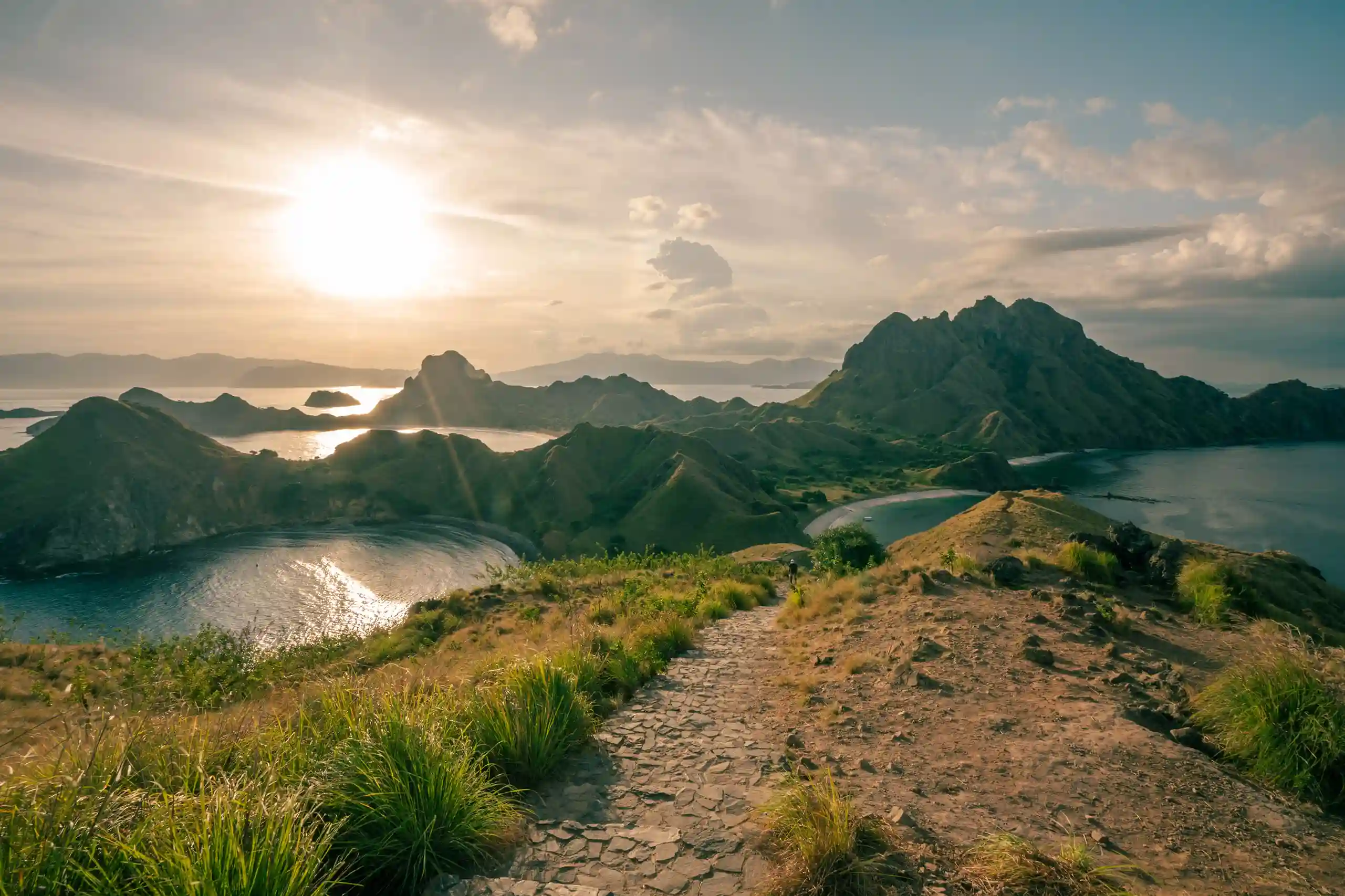
Can You Visit Komodo Island in May 2026?
Yes, you can visit Komodo Island in May 2026. Discover weather conditions, dragon activity, diving quality, and how to…
Read more →Can You Visit Komodo Island in September 2026? Here’s Everything You…
Yes, you can visit Komodo Island in September 2026. Discover weather, diving, dragon sightings, and travel tips for a…
Read more →Can You Visit Komodo Island in November 2026? Here’s What You Need to…
Planning to visit Komodo Island in November? Learn about weather, wildlife, diving, and how to enjoy a quieter, greener…
Read more →