
Is Permanent Yacht Living Legal?
Yes, you can live permanently on a yacht, but legality hinges on where and how you do it. Every vessel must be registered under a flag state, which governs its legal identity and compliance standards. This registration affects everything from safety requirements to tax obligations.
Even if you never step ashore, your presence in a country’s waters falls under immigration and maritime jurisdiction. Staying too long in one location without proper clearance can lead to fines or deportation. Some nations, like Indonesia, welcome long-term liveaboards but require valid visas, port clearances, and adherence to local boating regulations.
Taxes are another consideration. Some regions impose fees on foreign-flagged yachts after a certain stay. To avoid complications, many liveaboards adopt a 'cruising rhythm'—moving frequently between jurisdictions. For serious plans, consulting a maritime legal expert is strongly advised.
Choosing the Right Yacht for Full-Time Life
A yacht meant for permanent living needs to be more than seaworthy—it must function as a practical, comfortable home. Most liveaboard experts recommend starting at 40 feet (12 meters) or more to accommodate essential living zones: sleeping cabins, a functional galley, a bathroom (or 'head'), and a usable indoor-outdoor living area.
Catamarans are increasingly popular among full-timers for their stability, shallow draft, and expansive deck space. Their dual-hull design reduces motion sickness and offers privacy between rooms—ideal for couples or families. Monohulls, while narrower, often handle open-ocean conditions better and may be more affordable to maintain.
Critical systems make long-term comfort possible: watermakers for freshwater independence, solar or hybrid energy setups to reduce generator reliance, ample storage for provisions, and robust ventilation to manage tropical heat. Satellite internet solutions are also common for remote work or staying connected.
Real Challenges of Full-Time Yacht Life
The dream of endless horizons has a grounded side. Saltwater corrodes metal, degrades electronics, and wears down fabrics—so ongoing maintenance is unavoidable. Even with a crew, owners often need basic mechanical and electrical knowledge. Ignoring upkeep can turn a peaceful voyage into a series of emergencies.
Space is limited, and privacy can be scarce, especially with travel companions. Living in close quarters demands emotional resilience and strong communication. Social dynamics matter more when there’s nowhere else to go.
Weather dictates daily life. Sailing plans shift with wind, swell, and storm forecasts. Remote anchorages may lack marina support, making repairs or resupply a logistical puzzle. Connectivity remains spotty in many regions, despite advances in satellite tech—working remotely requires patience and backup plans.
And then there’s bureaucracy: customs declarations, visa renewals, port entry paperwork. For those moving across borders, administration becomes a regular chore, not a one-time task.
Why People Choose Yacht Living Anyway
For all its demands, the lifestyle draws people in with rare rewards. The freedom to move without fixed addresses—waking up in a new bay each week, exploring untouched islands, or following warm weather year-round—is unmatched by any land-based routine.
Living with less brings clarity. Limited space encourages a minimalist mindset, stripping away clutter and consumer habits. Many find this simplicity reduces stress and increases presence.
Being immersed in nature changes your rhythm. Days begin with sunrise over water, evenings end with bioluminescence in the wake. The sensory experience—waves at night, seabirds at dawn—creates a deep connection to the planet.
Financially, it can be lighter than urban living. No rent, property tax, or high utility bills. With off-grid systems, some live on modest budgets. And while initial costs are high, long-term savings are possible.
Finally, there’s community. Liveaboards form tight-knit networks, sharing tips, tools, and stories in anchorages from Bali to the Caribbean. It’s a global tribe bound by curiosity and self-reliance.
How to Start Your Yacht Life Thoughtfully
Jumping into permanent yacht living without preparation is a recipe for burnout. Start by testing the lifestyle: charter a liveaboard for several weeks in a destination like eastern Indonesia. Experience the routines—cooking on a rocking galley, managing water use, navigating mooring systems—before committing.
Learn the essentials. Take a basic seamanship or safety course, even if you plan to hire a captain. Knowing how your systems work builds confidence and helps you spot issues early.
Build a realistic budget. Include not just mooring and fuel, but also maintenance reserves, insurance, connectivity, and emergency funds. Unexpected repairs are inevitable.
Downsize early. Living on a boat means letting go of excess. Start decluttering clothes, documents, and sentimental items. The lighter your load, the smoother the transition.
Talk to others who’ve done it. Online forums, marina meetups, and liveaboard Facebook groups offer honest insights—from visa hacks to pump failures. Real stories beat theory every time.
Begin Your Journey in Indonesia
Indonesia is one of the most compelling places to start a life at sea. Its vast archipelago—over 17,000 islands—offers endless exploration, from the volcanic peaks of Komodo to the coral havens of Raja Ampat. With a tropical climate year-round and improving marina infrastructure, it’s increasingly accessible for long-term liveaboards.
Foreign nationals can live on yachts here legally, provided their vessel is properly registered, immigration documents are in order, and local maritime rules are followed. This includes timely port clearances and respecting restricted zones.
For those unsure about full commitment, there’s a gentler path: experience yacht life through a guided tour. Boat Komodo Trip offers immersive itineraries across eastern Indonesia, blending comfort with authenticity. Join a Komodo Island tour or a Raja Ampat liveaboard journey to feel the rhythm of sea-based living—without the upfront investment. It’s the perfect way to test whether this life truly fits you.
Frequently Asked Questions
Can you legally live on a yacht permanently?
What size yacht is suitable for full-time living?
Is it expensive to live on a yacht long-term?
How do you handle internet and work while living on a yacht?
Related Blog Posts

Do Humans Live on Komodo Island?
Discover how the Ata Modo people live alongside Komodo dragons on Komodo Island. Book via WhatsApp +62 851-9009-6797 —…
Read more →Monetizing Your Yacht in Indonesia: A Guide
Discover how to turn your yacht into a profitable venture with Boat Komodo Trip. Explore our yacht services and learn…
Read more →Where Do Komodo Dragons Live? Exploring Their Island Homes
Discover the islands where Komodo dragons live, their unique habitat, and the conservation efforts in place to protect…
Read more →Expert Yacht Management in Indonesia
Get expert yacht management in Indonesia with Boat Komodo Trip. Our services cover operations, compliance, crew, and…
Read more →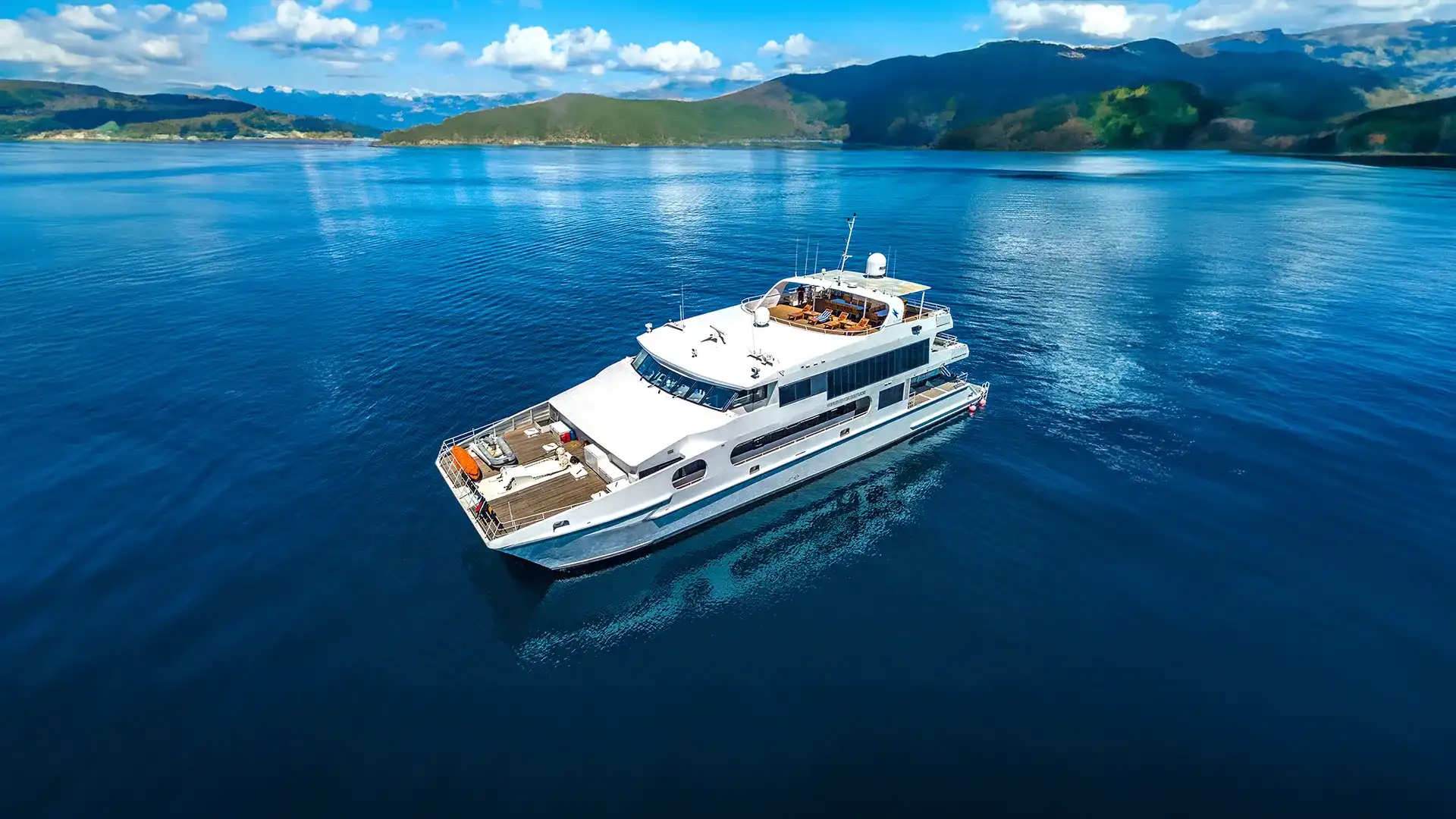
Is Owning a Yacht in Indonesia Worth It?
Discover the benefits and costs of yacht ownership in Indonesia, and how Boat Komodo Trip's Boat Investment Service can…
Read more →