
Why Season Matters When You’re Cruising Indonesia
Sailing through Indonesia isn’t just about the destination—it’s about arriving in the right conditions. While tropical warmth blankets the islands all year, the difference between a smooth glide across glassy seas and a bumpy detour around storm swells comes down to timing. For luxury travelers, this isn’t just comfort—it’s access. The season you choose determines which bays are sheltered, which reefs glow with visibility, and where wildlife gathers in full force.
Calm seas mean more time snorkeling, kayaking, and dining under the stars—without the constant sway of unsettled waters. Stable weather opens up remote anchorages that smaller boats can’t reach in rougher months. And for divers, seasonal currents influence not just clarity, but encounters: think manta feeding frenzies, spawning coral, or whale shark visits. Whether you’re chartering a private yacht or joining a curated liveaboard Indonesia experience, aligning your trip with the right climate window transforms good moments into exceptional ones.
Understanding Indonesia’s Climate
Straddling the equator, Indonesia enjoys steady temperatures between 26–32°C (79–90°F) year-round. But heat isn’t the story—seasonal wind patterns and monsoon shifts are. The archipelago cycles between two main seasons: dry and wet, each shaping distinct cruising opportunities across its eastern and western regions.
These aren’t rigid divides. Instead, they’re overlapping rhythms—regional tides of wind and rain that open some doors while closing others. Savvy travelers don’t avoid the wet season; they redirect toward where it enhances the experience. The key is knowing where and when to go.
Dry Season (April to October)
From April to October, much of central and western Indonesia enters its golden window. This is when Komodo National Park, Bali, Alor, and the Forgotten Islands shine under clear skies and steady winds. Humidity drops, rainfall becomes rare, and sea conditions settle—ideal for long crossings, open-deck lounging, and uninterrupted diving.
Underwater visibility often exceeds 20 meters (65 feet), revealing reefs pulsing with color and movement. Manta rays glide reliably at cleaning stations, Komodo dragons patrol sunlit trails, and hiking routes stay dry and accessible. For those planning an Indonesia sailing holiday or luxury yacht charter, these months deliver predictability without sacrificing adventure.
It’s also peak season, meaning popular anchorages fill quickly. Booking well in advance ensures you’re not just on the water—but on the right boat, at the right time.
Wet Season (November to March)
While the west winds down, eastern Indonesia wakes up. Raja Ampat, Cenderawasih Bay, and Misool enter their prime, shielded by geography from the full force of the northwest monsoon. Here, the so-called ‘wet’ season brings brief afternoon showers—not endless rain—and seas remain calm within the protective maze of islands.
Water temperatures stay warm, coral spawning peaks, and marine life thrives. Whale sharks in Cenderawasih appear regularly, feeding near fishing platforms, while reef diversity in Raja Ampat reaches its zenith. Above water, landscapes turn lush, skies dramatic, and crowds thin. Fewer yachts mean more solitude in bays that feel untouched.
This is the season for travelers who value exclusivity over predictability, who don’t mind a passing squall if it means diving pristine sites without another boat in sight. For an Indonesia yacht holiday focused on immersion over itinerary, this is when the far east truly comes alive.
Best Time to Cruise Indonesia by Destination
One size doesn’t fit all in an archipelago of 17,000 islands. What works in Komodo may not apply in Raja Ampat. Matching your destination to its ideal season ensures you experience each place at its best—not just weather-wise, but in terms of wildlife, accessibility, and overall rhythm.
Komodo National Park
For most, Komodo is a dry-season jewel. From April to October, winds ease, seas flatten, and visibility underwater soars—perfect for snorkeling with mantas at Manta Point or photographing Komodo dragons in their natural habitat. The trails on Rinca and Komodo Islands are dry and safe, and Padar Island’s iconic viewpoint rewards climbers with uninterrupted panoramas.
This is also when liveaboards run most frequently, with optimized routes through the park’s most dramatic channels and bays. A sunset dinner near Kalong Island, with thousands of flying foxes spiraling into the twilight, becomes even more magical under clear skies. If your dream is sun-drenched adventure with flawless conditions, aim for these months.
Raja Ampat
Raja Ampat flips the script. Its peak season runs from October to April, aligning with the wet season elsewhere. Protected by its island labyrinth, the region enjoys calm waters even when rain falls. This is when biodiversity peaks—reefs pulse with life, and divers log encounters with pygmy seahorses, wobbegongs, and schools of barracuda.
Short rain showers rarely disrupt plans, often passing quickly and leaving behind glistening karst cliffs and misty horizons. With fewer boats on the water, you’re more likely to have entire bays to yourself. Chartering a private yacht with a dedicated dive master lets you explore remote sites like Cape Kri or Misool’s House Reef without compromise.
For those seeking the pinnacle of marine richness and solitude, this is Raja Ampat’s finest hour.
Bali
Bali blends culture, coastline, and convenience like no other island. While it’s a year-round hub, the best time to cruise its waters is during the dry season—especially May to September. Seas are calm, skies clear, and views of Mount Agung from the deck are unforgettable.
Short trips to the Nusa Islands—Nusa Lembongan, Ceningan, and Penida—offer snorkeling with manta rays and dramatic coastal cliffs. Sunset sails from Jimbaran Bay are a classic, but multi-day charters reveal a quieter, more intimate side of Bali’s marine world.
Pair your cruise with a stay in a private villa or wellness retreat, and you’ve got a seamless blend of adventure and rejuvenation—one of the most refined ways to experience the Island of the Gods.
Tips for Cruising Indonesia at the Right Time
Timing isn’t just about picking a month—it’s about planning with precision. Start by identifying your priorities: Is it diving visibility? Wildlife sightings? Or simply smooth sailing?
Consider the shoulder months—May, June, or September—when dry-season conditions are still excellent, but crowds are thinner and yacht availability higher. These windows offer the best balance of comfort and exclusivity, especially in Komodo.
Align your activities with the season. Want to photograph Komodo dragons? Dry season. Dreaming of whale sharks in Cenderawasih? November to March is your window. And whatever you choose, book early. Luxury yachts and top-tier liveaboards fill up 6 to 12 months in advance, particularly for Raja Ampat and Komodo routes. Secure your spot early, and you won’t just sail—you’ll sail with intention.
Frequently Asked Questions
When is the best time to visit Komodo National Park?
Can I cruise Raja Ampat during the wet season?
Is Bali good for island-hopping cruises?
How far in advance should I book a luxury yacht in Indonesia?
Related Blog Posts
Best Time to Cruise in Raja Ampat: Find Perfect Time for Onboard…
Discover the best time to cruise Raja Ampat for calm seas, clear diving, and fewer crowds. Plan your ideal liveaboard…
Read more →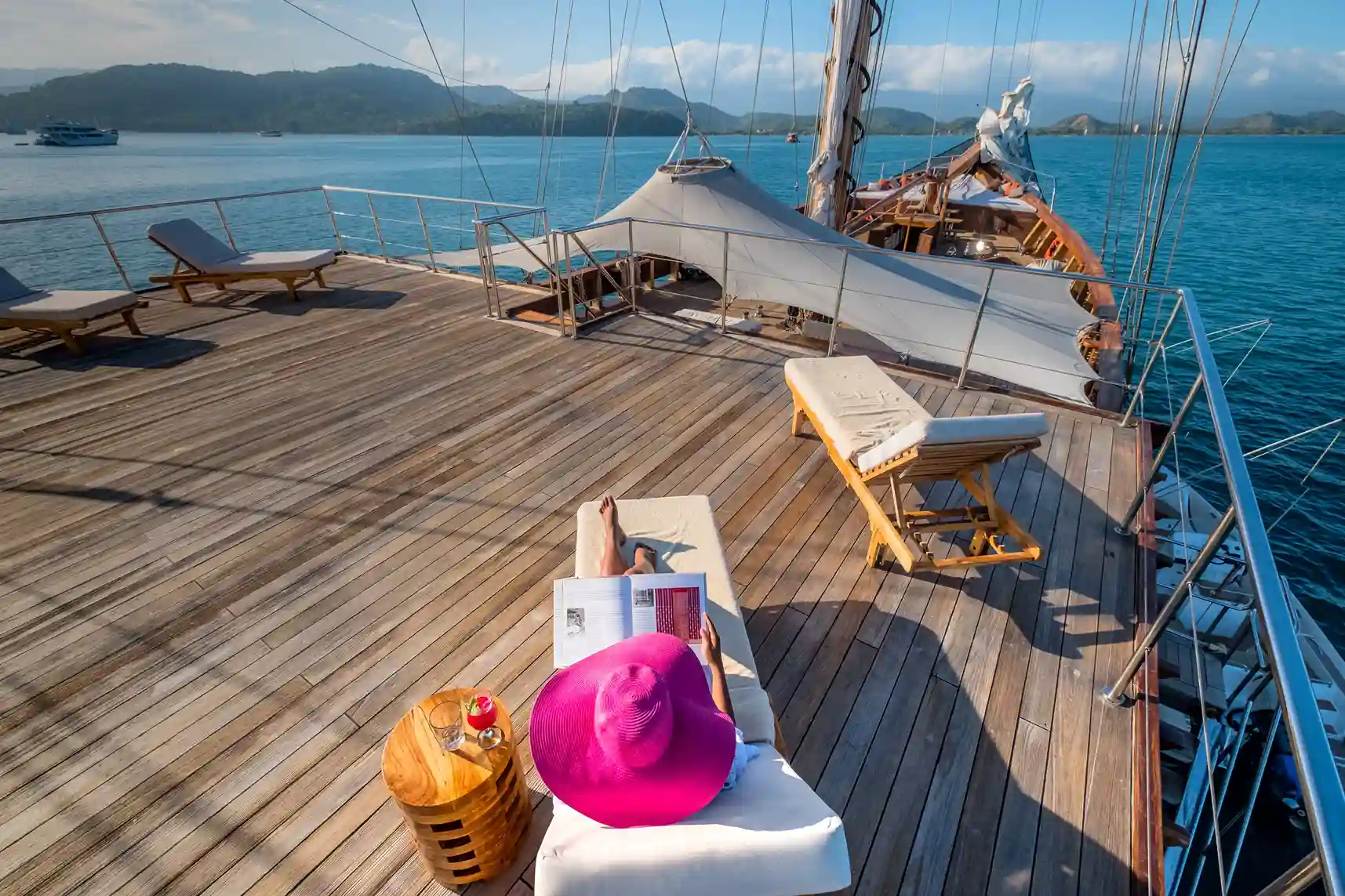
Best Time for Liveaboard in Komodo 2026
Discover the best time for liveaboard in Komodo with Boat Komodo Trip. Plan your ultimate Komodo tour and enjoy…
Read more →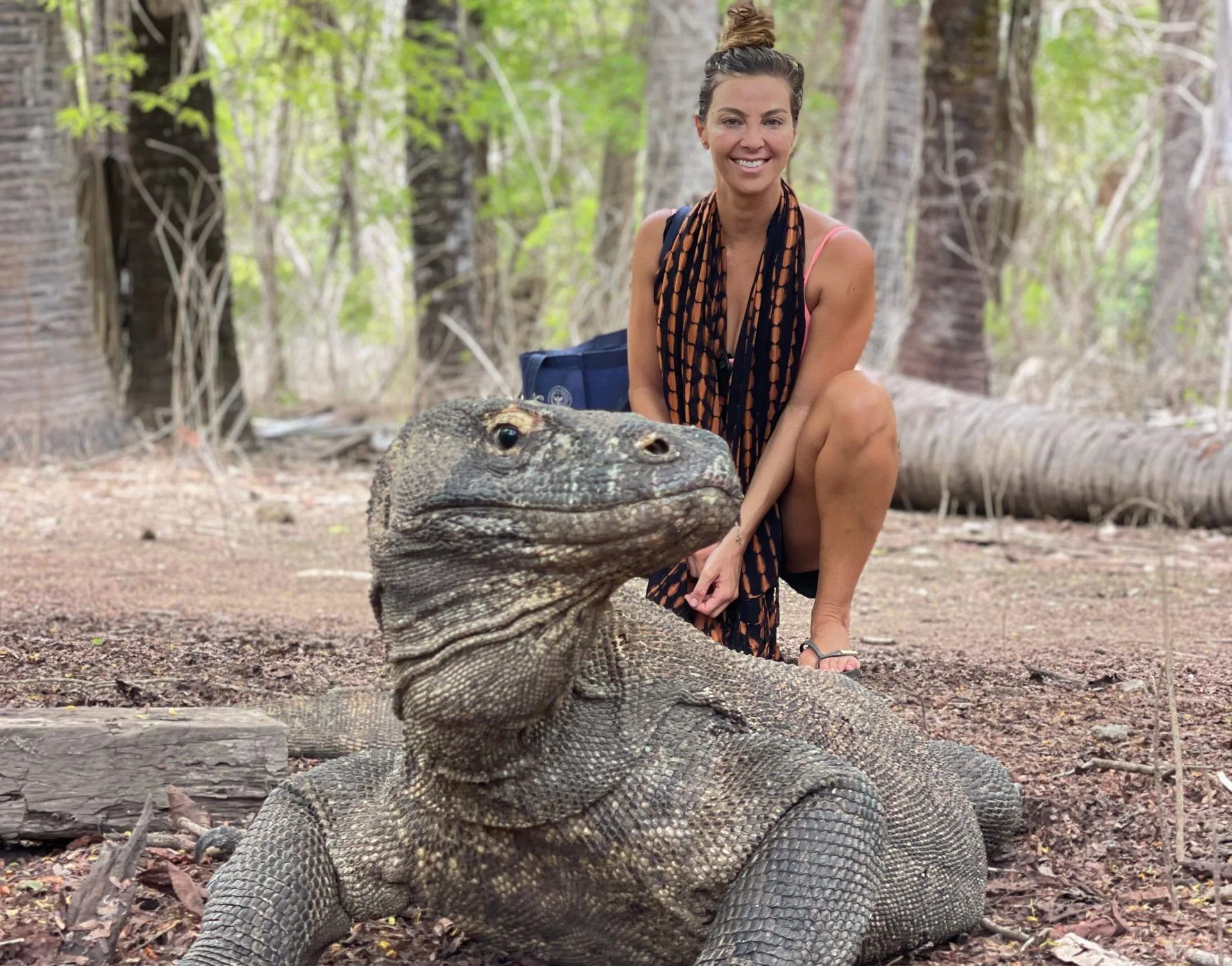
Best Time to Visit Komodo Island: A Seasonal Guide
Discover the best time to visit Komodo Island in 2026, from sunny dry seasons to lush green months. Get expert tips on…
Read more →Elbark Cruise vs Raffles Cruise: Luxury Komodo Liveaboards for Your…
Compare Elbark Cruise and Raffles Cruise for your Komodo liveaboard experience. Learn about luxury sailing, VIP-class…
Read more →Best Time to Visit Flores Island
Discover the best time to visit Flores Island for an unforgettable adventure! Book your Komodo Island tour with Boat…
Read more →