
The Truth About Blood Detection
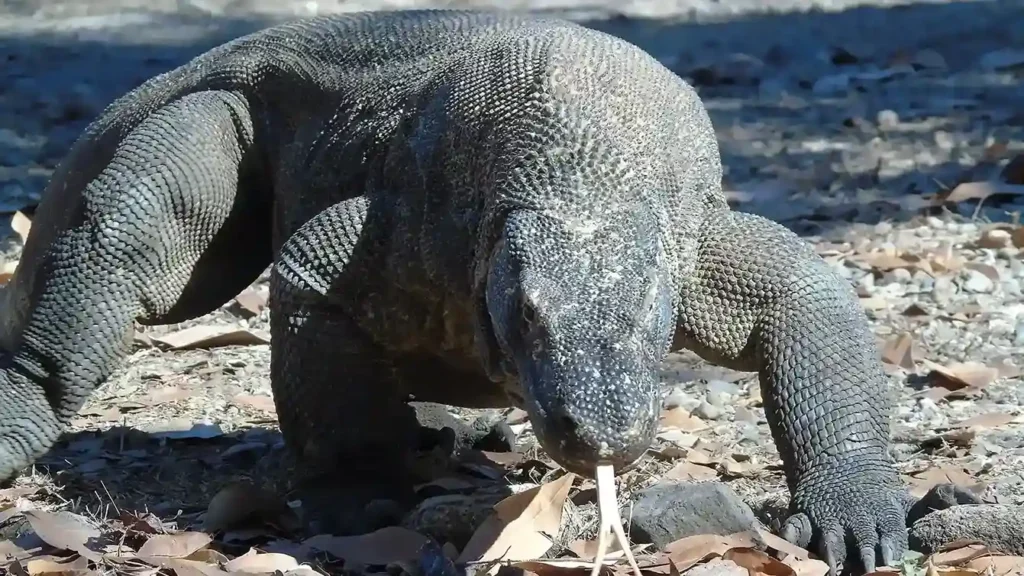
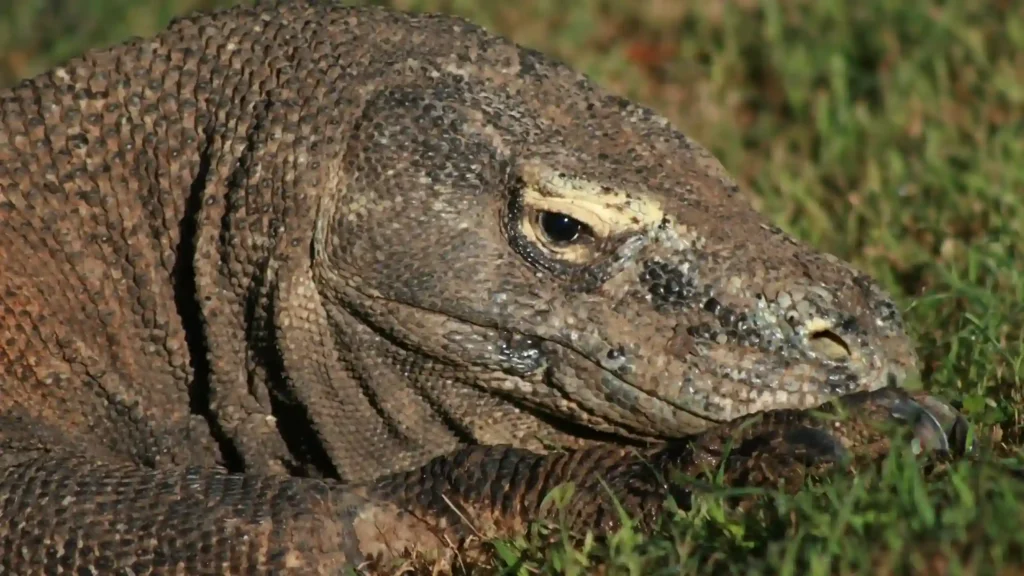
Yes, Komodo dragons can detect blood — but not in the way most people imagine. They don’t “sniff” the air like a wolf. Instead, they use a highly refined chemical sensing system centered on the Jacobson’s organ, a specialized sensory structure in the roof of their mouth. By flicking their forked tongues, they collect microscopic particles from the air and ground, then transfer them to this organ for analysis.
This method allows them to detect the scent of blood or decaying flesh from as far as 4 to 9.5 kilometers (2.5 to 6 miles) away, depending on wind conditions. It’s not just about distance — it’s about precision. The organ helps them distinguish between fresh, oxygenated blood from injured prey and other organic scents, giving them a critical edge in locating vulnerable animals across vast, arid terrain.
What Happens When a Dragon Catches the Scent?
Once a Komodo dragon picks up the chemical signature of blood, its behavior shifts. These reptiles are patient trackers, capable of following a wounded animal for hours or even days. They don’t rely on speed alone; they rely on persistence. After delivering a bite — often to the leg or flank — the dragon retreats, allowing its venom to take effect while it trails the prey silently.
The smell of blood signals opportunity. As juveniles, Komodos hunt smaller prey like insects and rodents, but adults target larger animals such as deer. Their ability to detect distress from afar means they’re often drawn to already injured or dying creatures, minimizing the risk of injury during the hunt. This scavenging instinct, combined with active predation, makes them remarkably efficient survivors in a resource-scarce environment.
Menstruation and Komodo Dragon Safety
A common concern among female travelers is whether being on their period increases the risk of attracting Komodo dragons. The short answer: there’s no scientific evidence to support this fear. While dragons can detect blood, the type they’re evolutionarily tuned to respond to is fresh, oxygenated blood from wounded animals — not menstrual fluid, which contains a different biochemical profile including endometrial tissue, mucus, and hormones.
Park rangers and biologists consistently affirm that menstruation does not elevate danger. Thousands of women visit Komodo National Park each year during their cycles without incident, especially when following standard safety protocols. Still, it’s wise to inform your guide if you have concerns — transparency helps them support your comfort and safety throughout the trek.
Beyond Bacteria: The Venom Revelation
For decades, scientists believed Komodo dragons killed through septic saliva teeming with harmful bacteria. But modern research has overturned that theory. The real weapon? Venom. CT scans and gland analysis have revealed complex venom glands in their lower jaws that secrete a cocktail of toxins.
This venom induces rapid blood loss, drops blood pressure, and prevents clotting — weakening prey over time rather than killing it instantly. Unlike snakes, Komodos don’t inject venom through fangs. Instead, deep lacerations from their serrated teeth allow the toxins to seep directly into the bloodstream. This slow incapacitation strategy lets the dragon follow its prey until collapse, conserving energy while ensuring a high success rate.
Staying Safe on Komodo Island
Encountering a Komodo dragon in the wild is unforgettable — but respect and caution are non-negotiable. These animals may appear slow, but they can sprint up to 20 km/h in short bursts and are known to attack when provoked.
Visit between April and December, when dry conditions make trails safer and visibility clearer. Always stay with your licensed guide, who’s trained to read dragon behavior and intervene if needed. Keep a distance of at least 3–5 meters, avoid sudden movements or loud noises, and never attempt to feed or touch the animals. Choosing a reputable operator like Boat Komodo Trip ensures you’re guided by experts who prioritize both safety and conservation.
Gallery
Frequently Asked Questions
Can Komodo dragons really smell blood?
How do Komodo dragons sense their prey from so far?
Is it safe for women on their period to visit Komodo Island?
Are Komodo dragons venomous or just full of bacteria?
What should I do if I encounter a Komodo dragon?
Related Blog Posts

Komodo Dragons Venomous? The Science Behind Their Bite
Yes, Komodo dragons are venomous. Discover how their venom works, how it affects prey, and what it means for wildlife…
Read more →Hull Design Explained: How It Shapes Your Sailing Experience
Understand how boat hull design shapes your comfort, efficiency, and safety at sea. Let Boat Komodo Trip help you…
Read more →The Truth About Komodo Dragons: How Safe Are They?
Learn the facts and safety tips for visiting Komodo Island with Boat Komodo Trip tours. Book now!. Book via WhatsApp…
Read more →Komodo Island Safety Tips for Adventurous Travelers
Discover essential Komodo Island safety tips for first-time visitors. Book your Komodo tour with Boat Komodo Trip and…
Read more →
Best Place to See Komodo Dragons
Discover where to see Komodo dragons safely in Komodo National Park. Explore Rinca & Komodo Island with expert guides…
Read more →