
How Komodo Dragons Hunt
Komodo dragons are apex predators with a calculated approach to hunting. They rely on stealth, patience, and an exceptional sense of smell to detect prey from great distances — sometimes over several kilometers. Their targets are typically deer, wild boar, and water buffalo, animals they can ambush and overpower with sudden bursts of speed despite their bulk.
Once within range, a Komodo delivers a devastating bite using serrated teeth that tear flesh like knives. Contrary to old beliefs that bacteria-laden saliva alone kills prey, modern research confirms they also possess venom glands that release toxins, lowering blood pressure, inducing shock, and preventing clotting. This combination weakens the animal over hours or days, allowing the dragon to track it until it collapses. Only then does feeding begin, minimizing risk during the hunt.
Can a Komodo Dragon Eat a Whole Human?
Physically, a full-grown Komodo dragon cannot swallow a human whole — the human body is simply too large in width and structure. However, a large adult dragon, weighing up to 100 kilograms or more, can consume up to 80% of its body weight in one sitting. That means it could eat around 80 kilograms (176 lbs) of flesh in a single meal.
Given that average adult human body weights fall within or below this range — especially across Asian populations — a Komodo could feasibly consume an entire person over time, but not in one piece. Instead, it would tear the body apart using its powerful neck muscles and sharp teeth, starting with softer tissue. This is the same method they use on deer or buffalo. While macabre, such events are extremely rare and typically involve isolated or vulnerable individuals who have ignored safety protocols.
Do Komodo Dragons Attack Humans?
True predatory attacks on humans are exceptionally uncommon. Komodo dragons do not see people as natural prey. Their usual diet consists of animals better suited to their hunting style and nutritional needs. Most interactions between humans and dragons occur without incident, especially when visitors follow guidelines and stay with trained rangers.
Aggression usually arises from provocation, surprise, or perceived threat — such as approaching a nest, cornering a dragon, or being near during feeding. These reptiles are cautious by nature and often retreat when they detect humans. In fact, their wariness is one reason why peaceful coexistence is possible on islands like Komodo and Rinca, where thousands of tourists visit each year without issue.
Have Komodo Dragons Ever Killed a Human?
Yes, but documented cases are few. One confirmed fatality occurred in 2009 when a local tour guide was attacked on Komodo Island. There have also been non-fatal bites, typically involving tourists who strayed from paths, approached too closely, or ignored ranger instructions.
These incidents underscore the importance of supervision and respect for boundaries. Komodo dragons are powerful, fast over short distances, and equipped with dangerous bites. While they aren’t hunting humans, they will defend themselves if threatened. Most fatalities could likely have been avoided with stricter adherence to safety rules — a reminder that wild animals, no matter how accustomed to humans, should never be underestimated.
Could a Human Survive a Komodo Dragon Bite?
Survival after a Komodo bite is possible — and probable — with prompt medical care. The bite itself causes deep lacerations due to the dragon’s serrated teeth, while venom compounds the injury by preventing blood clotting and causing swelling and shock. Secondary infection from bacteria in the saliva is also a serious concern.
Immediate treatment involves controlling bleeding, cleaning the wound thoroughly, administering antibiotics, and monitoring for systemic effects. In remote areas like Komodo Island, access to medical facilities is limited, which increases risk. This is why guided tours include emergency protocols and why evacuation plans are standard for any serious incident.
Why Komodo Dragon Attacks Are So Rare
Several factors explain the rarity of attacks. First, humans don’t fit the profile of typical prey — we’re large, upright, and often move in groups, making us appear more threatening than deer or pigs. Komodos are ambush hunters; they prefer unsuspecting, solitary animals they can surprise.
Second, conservation efforts and strict park regulations have minimized conflict. Rangers patrol trails, enforce safe distances, and educate visitors. Over decades, this structured approach has proven effective. Finally, Komodo dragons are not inherently aggressive — they’re cautious, intelligent reptiles that prefer to avoid confrontation unless provoked or cornered.
Komodo and Humans: Living in Harmony on Komodo Island
On Komodo Island, people and dragons have shared the same land for generations — not as enemies, but as neighbors. The local Manggarai and Komodo communities refer to the dragon as "ora," meaning "brother" or "sibling." This term reflects a deep cultural respect, not fear.
Traditional beliefs hold that the ora is a guardian spirit, part of the island’s spiritual balance. Locals avoid disturbing nesting sites, never feed the dragons, and perform rituals to honor them. This mutual understanding has allowed both species to thrive. Attacks in villages are nearly unheard of, proving that coexistence is possible when rooted in respect and tradition.
Tips for Visiting Komodo Island Safely
Seeing Komodo dragons in the wild is a highlight of any Indonesia trip — thrilling, humbling, and unforgettable. But safety must come first. The best way to experience them responsibly is through a guided tour with experienced rangers. Here’s how to stay safe:
Stay with your ranger at all times — they know dragon behavior and can anticipate danger. Keep at least 5 meters (16 feet) away from any dragon, even if it seems calm. Avoid sudden movements or loud noises that might startle it. Never bring food onto the trail, as the dragons’ keen sense of smell can trigger unwanted interest. Wear sturdy shoes and light, breathable clothing suitable for hot, rugged terrain. And above all, remember: you’re visiting their home. Move quietly, observe respectfully, and leave no trace.
Pricing
Rates as published on our legacy listing. Contact us for current availability, seasonal rates, and private-charter offers.
| Category | Price |
|---|---|
| How Komodo Dragons Hunt High | rp |
| Can a Komodo Dragon Eat a Whole Human? High | rp, |
| Could a Human Survive a Komodo Dragon Bite? High | rp, |
Frequently Asked Questions
Are Komodo dragons aggressive toward humans?
How strong is a Komodo dragon's bite?
What should I do if I encounter a Komodo dragon?
Is it safe to visit Komodo Island?
Related Blog Posts
Komodo Dragon vs Human: A Fierce but Rare Encounter
Discover the fascinating relationship between Komodo Dragons and humans on Komodo Island. Learn about the history,…
Read more →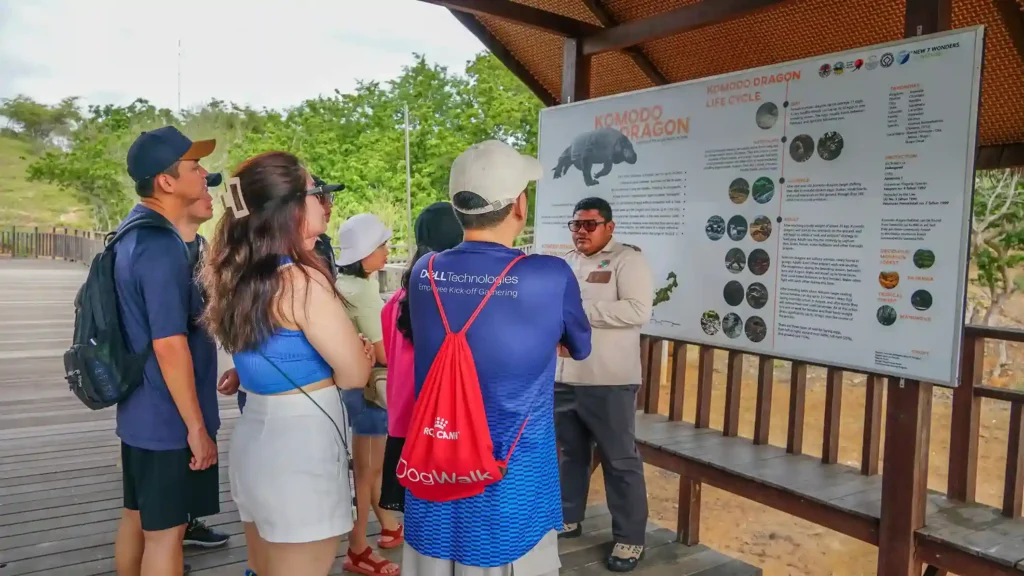
What Does a Komodo Dragon Eat? Discover the Secrets of the World's…
Uncover the fascinating diet of Komodo dragons, from deer to buffalo, and learn how their feeding habits shape the…
Read more →Komodo Dragon vs Coyote: Which Predator Reigns Supreme?
Uncover the fascinating world of Komodo Dragon vs Coyote. Join Boat Komodo Trip to explore the ultimate predator…
Read more →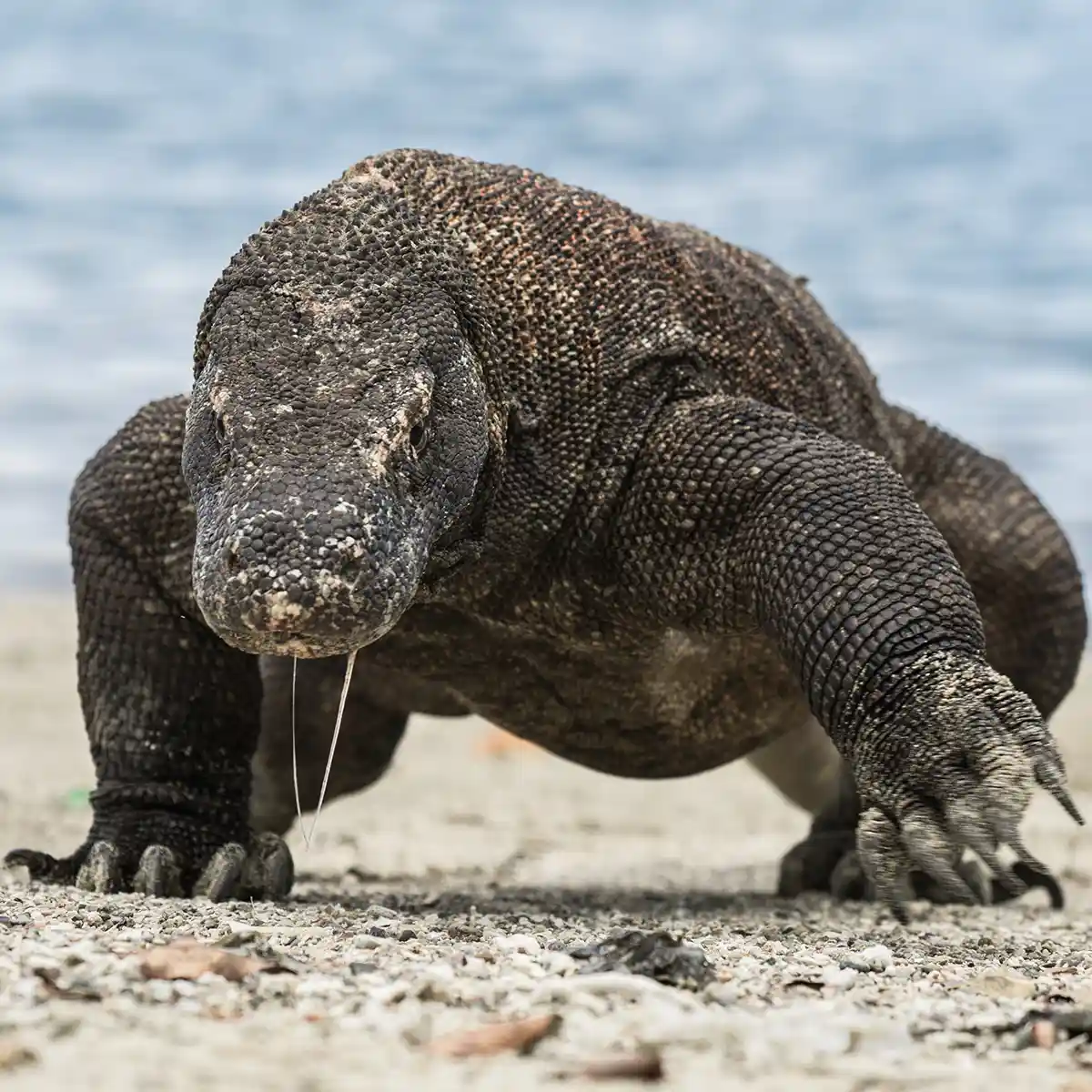
11 Komodo Dragon Facts to Inspire Your Indonesian Adventure
Discover fascinating facts about Komodo dragons and plan your luxury tour to Komodo Island with Boat Komodo Trip. Book…
Read more →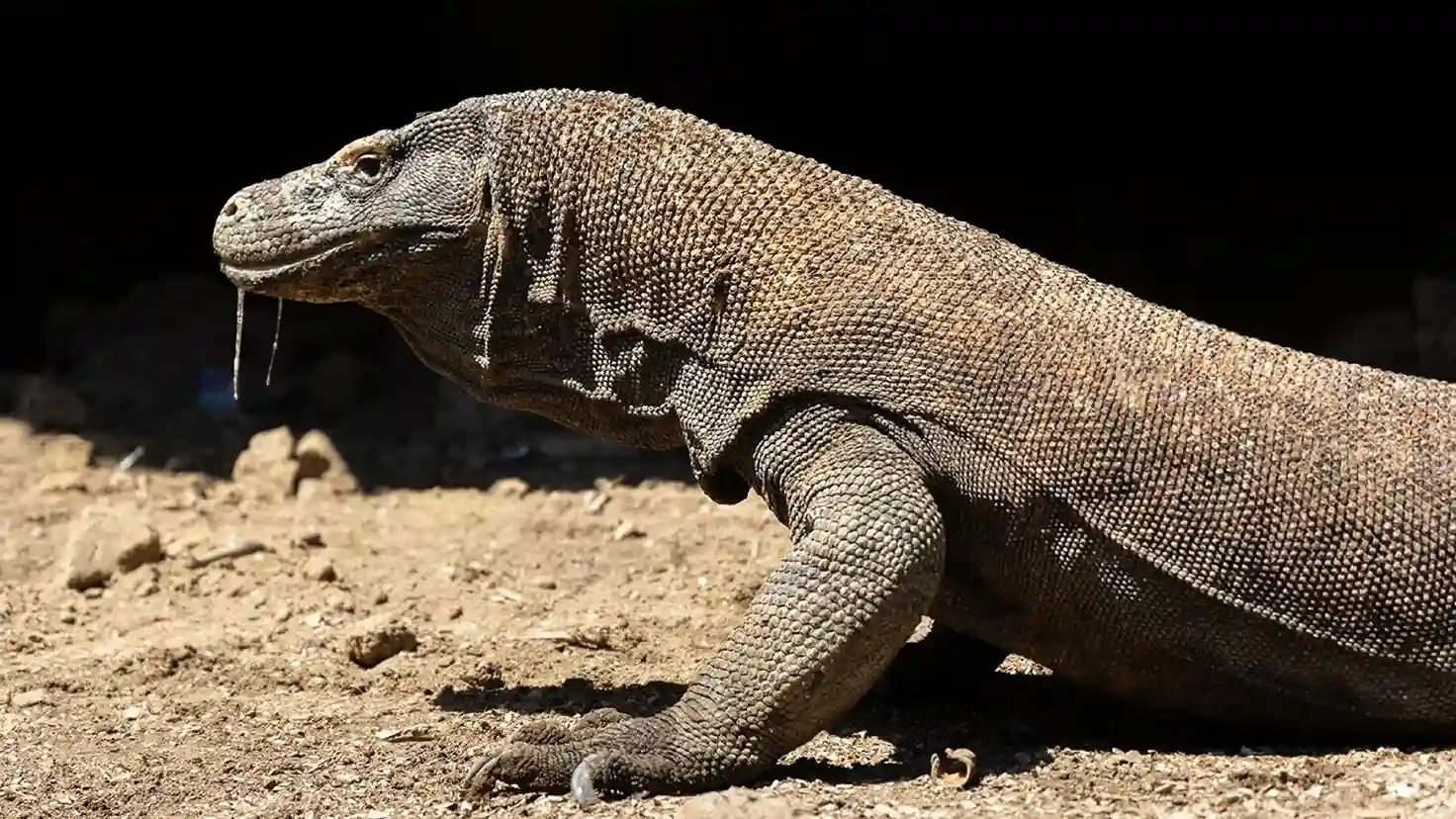
Komodo Dragon Myths vs Facts: Separating Reality from Fiction
Discover the truth behind Komodo dragon myths and facts. Learn how to navigate the confusion and uncover the…
Read more →