Do Humans Live on Komodo Island?

You might assume Komodo Island is ruled solely by its famous reptilian residents—the mighty Komodo dragons. But people do live here, sharing the rugged landscape with these ancient predators in a delicate balance of respect and survival.

The Ata Modo: Indigenous People of Komodo Island

For centuries, the Ata Modo have called Komodo Island home, long before the outside world took notice of its giant lizards. Their deep-rooted presence predates modern tourism and scientific discovery, forming the cultural backbone of the island. When Dutch lieutenant Steyn van Hensbroek documented the Komodo dragon in the early 20th century, he was following local accounts from fishermen—many of whom were Ata Modo themselves. These early interactions revealed a community already well-versed in the behavior of the dragons, relying on ancestral knowledge to navigate life in close proximity to them.

In 1980, Komodo Island became part of Komodo National Park, a UNESCO-recognized effort to protect the species and its ecosystem. Rather than displacing the Ata Modo, authorities allowed them to remain, acknowledging their integral role in the island’s heritage. Today, their continued residence reflects a rare model of conservation that includes, rather than excludes, indigenous stewardship.

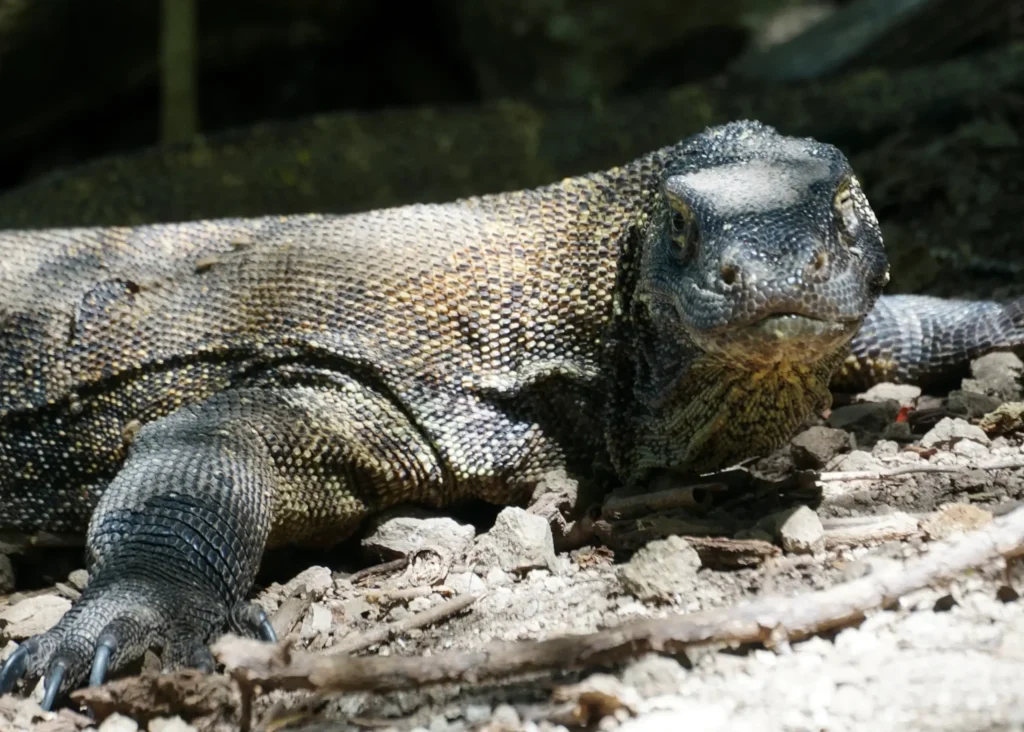
The Komodo dragon at the Komodo Island | Boat Komodo Trip

Life in Komodo Village: Culture and Challenges

As of 2019, around 1,719 people lived on Komodo Island, most belonging to the Ata Modo community. Daily life blends tradition with adaptation—fishing and small-scale farming remain core livelihoods, while tourism has grown into a vital economic pillar. Many residents now work as licensed tour guides, manage guesthouses, or sell crafted souvenirs to visitors drawn by the island’s legendary wildlife.

Komodo Village maintains a close-knit, welcoming atmosphere despite the logistical hurdles of island living. Access to reliable electricity, clean water, and healthcare is still limited, yet the community remains resilient. The rhythm of life here is shaped by both natural cycles and the seasonal flow of tourists, creating a unique social fabric where heritage and hospitality coexist.

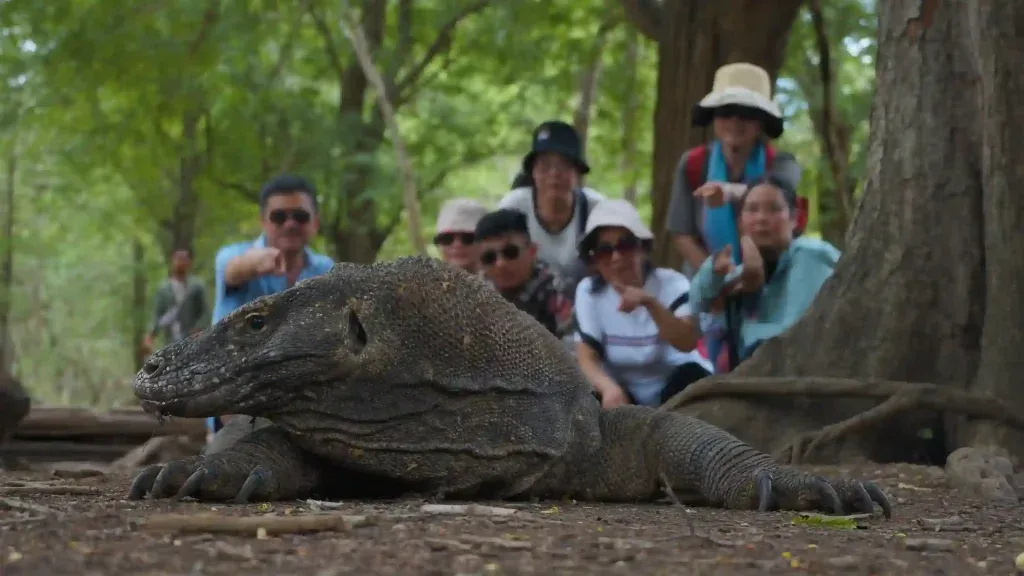
The tourists spotted Komodo dragon at Komodo Island

Coexisting with the World’s Largest Lizard

Living alongside Komodo dragons—reptiles that can reach 3 meters (10 feet) and weigh over 70 kg (150 lbs)—requires constant awareness. The Ata Modo understand that while attacks on humans are rare, they can happen, especially if boundaries are crossed. To minimize risk, villagers strictly manage waste to avoid attracting dragons and build homes on elevated stilts, keeping living spaces out of reach.

For visitors, safety is overseen by trained local rangers who accompany every guided trek. Armed with long poles and intimate knowledge of dragon behavior, these rangers ensure safe distances during encounters. Their presence not only protects tourists but also reinforces the Ata Modo’s role as guardians of both the land and its iconic species.

Frequently Asked Questions

Can tourists visit Komodo Island?
Yes, tourists can visit Komodo Island as part of a guided tour. All visitors must be accompanied by a licensed ranger to ensure safety and minimize environmental impact.
Are there any recorded attacks by Komodo dragons on humans?
Yes, there have been rare attacks on humans, though they are infrequent. Most incidents occur when people venture into dragon habitats without a guide or leave food waste unsecured.
Why do the Ata Modo people respect Komodo dragons?
According to local belief, Komodo dragons are considered 'twin siblings' of humans, born from the same mother in an ancient legend. This spiritual connection fosters deep respect and coexistence.
Is the Ata Modo culture at risk due to tourism?
While tourism brings economic benefits, it also pressures traditional ways of life. The Ata Modo are actively working to preserve their language, customs, and environmental knowledge amid growing visitor numbers.