
Where Bulukumba Stands in Indonesia’s Maritime Landscape
Bulukumba lies on the southeastern peninsula of Sulawesi, facing the Flores Sea. Its coastline, lined with modest docks and timber yards, might not immediately strike visitors as remarkable. Yet this quiet regency is one of Indonesia’s most important centers for traditional shipbuilding. Positioned within practical reach of major tourism hubs like Labuan Bajo, it serves as a vital link between heritage craftsmanship and modern seafaring experiences.
The town’s maritime roots run deep. Long before tourism brought demand for luxury phinisi yacht charters, local communities relied on wooden boats for trade, fishing, and inter-island travel. That legacy evolved into a specialized craft — one that now supplies vessels not just across Indonesia, but to international clients seeking authenticity and durability in their sea journeys.
Today, Bulukumba’s proximity to prime diving and sailing destinations adds strategic value. Many of the Phinisi boats cruising through Komodo National Park, Flores, and Raja Ampat were first shaped here, in sawdust-filled workshops where time moves to the rhythm of hand tools and seasoned intuition.
Why Bulukumba Earned Its Title as Phinisi Heartland
Bulukumba isn’t just a location where boats happen to be built — it’s a cultural epicenter for the Phinisi tradition. The title 'Home of Phinisi Shipbuilders' isn’t marketing flair; it’s a recognition of generations-long mastery, geographic advantage, and an unbroken chain of knowledge transfer.
The region’s identity is inseparable from the sea. Families in villages like Tanah Beru and Bira have dedicated centuries to refining the art of wooden boat construction. Their expertise isn’t limited to assembling planks — it encompasses an intimate understanding of timber behavior, wind patterns, and structural integrity under stress. This depth of knowledge transforms each Phinisi from a vessel into a living archive of Austronesian seafaring wisdom.
What sets Bulukumba apart is how tradition coexists with adaptation. While the core techniques remain unchanged — such as joining planks without nails using wooden dowels and resin — builders have incorporated modern navigation systems, engine integration, and comfort-focused layouts when crafting boats for tourism. This balance allows the Phinisi to thrive not as a museum piece, but as a functional, sought-after craft in today’s marine world.
From Timber to Keel: The Making of a Phinisi
Building a Phinisi in Bulukumba is less a production line and more a ritual. Each boat takes months, sometimes years, to complete, shaped entirely by hand using tools and methods that predate industrialization. The process begins long before the first cut — with the careful sourcing of wood, typically ironwood (ulin), prized for its density, resistance to saltwater, and longevity. Logs are selected not only for strength but grain alignment, ensuring they can endure constant exposure to sun, wind, and wave.
Once timber is secured, the frame is laid — the skeleton of the boat. This stage demands precision. Master builders use no blueprints; instead, they rely on memory, proportion, and experience to shape the keel and ribs. Every measurement is checked and rechecked, because the integrity of the entire vessel depends on this foundation. The hull follows, with planks painstakingly fitted edge-to-edge and fastened using traditional bantalan (wooden pegs) and natural resins from local trees.
Final stages involve shaping the deck, carving decorative elements on the prow and stern, and installing masts designed to carry the Phinisi’s signature seven-panel sail configuration. Even after structural completion, the boat undergoes rigorous testing — floating trials, load assessments, and seaworthiness checks — before being handed over. It’s a labor of pride, where every builder signs their work not with a label, but in the curve of a hull they know will sail for decades.
Frequently Asked Questions
What is a Phinisi boat?
Why is Bulukumba famous for boatbuilding?
How long does it take to build a Phinisi in Bulukumba?
Can tourists visit Phinisi shipyards in Bulukumba?
Related Blog Posts
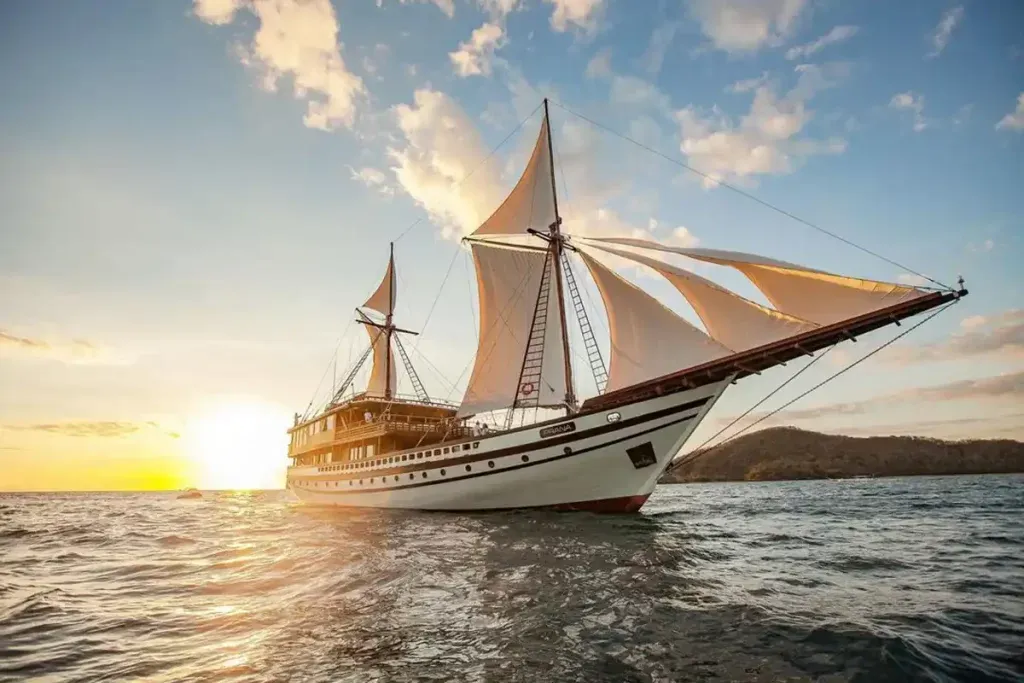
Phinisi Yacht Guide: Why Choose a Traditional Indonesian Phinisi for…
Discover the unique sailing experience of traditional Phinisi yachts in Indonesia. Read our expert guide to find the…
Read more →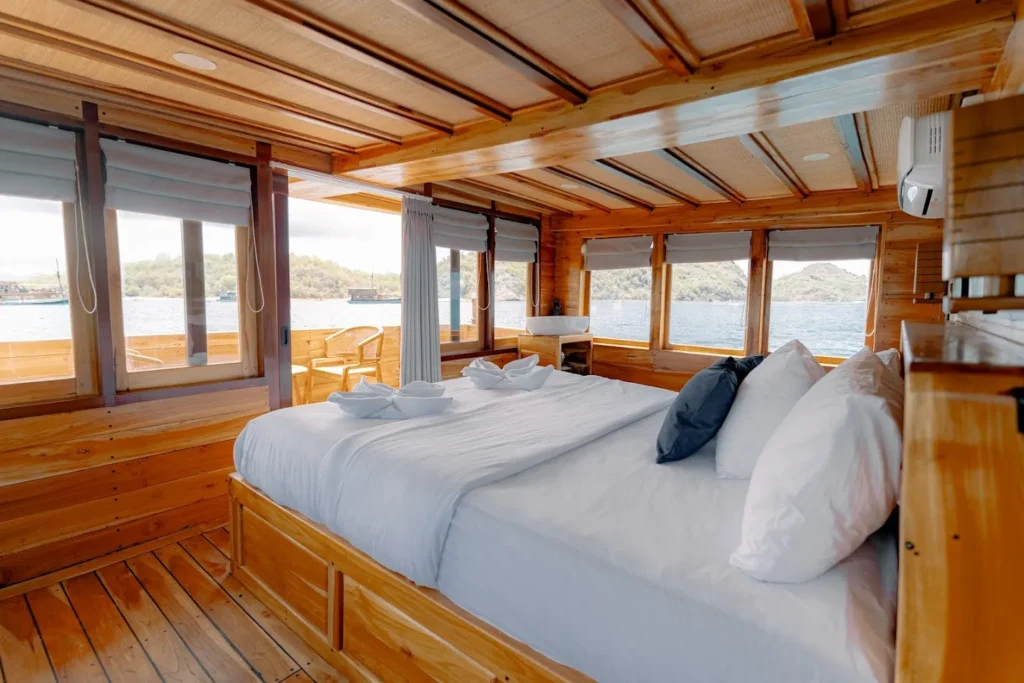
Barakati Phinisi Review: An Intimate Luxury Phinisi for Komodo Island…
Discover the Barakati Phinisi experience — private cabins, spacious decks, and seamless Komodo National Park…
Read more →Introduction to Boat Building in Indonesia
Explore the rich tradition of boat building in Indonesia, especially in Bulukumba, Sulawesi. Learn about the techniques…
Read more →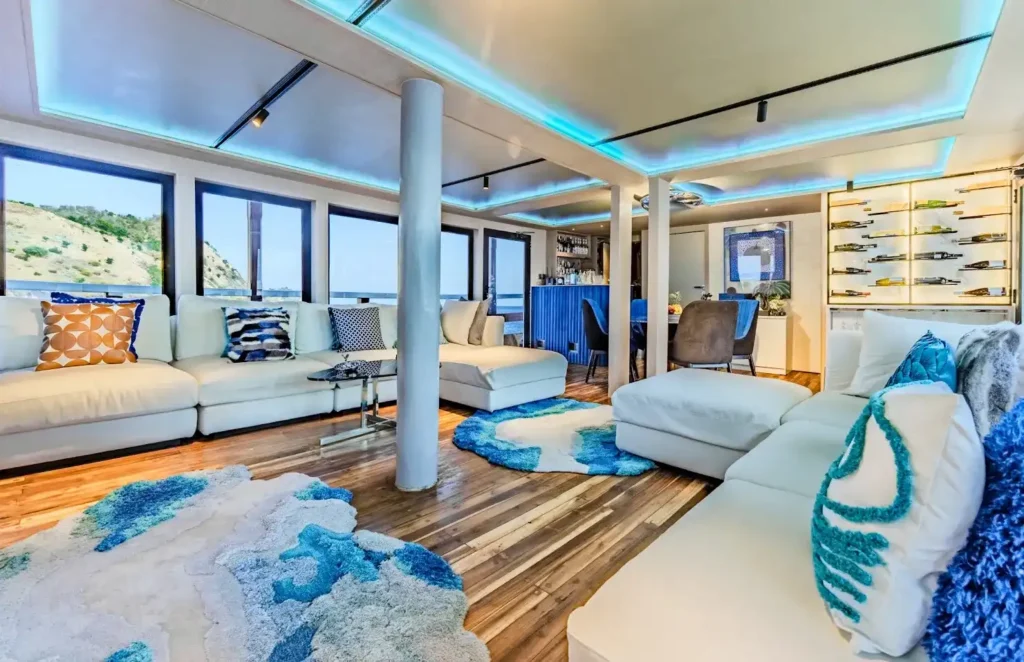
Traditional Phinisi Meets Modern Wellness on Kayra Phinisi Yacht
Experience the perfect blend of traditional Indonesian craftsmanship and modern wellness luxury on Kayra Phinisi Yacht.…
Read more →Phinisi Boat Building Tradition Meets Modern Demand
Discover the evolution of Phinisi boat building in Bulukumba, Sulawesi, and learn about the construction process,…
Read more →