
Why Birdwatching in Indonesia is a Must-Do Experience
Few countries offer the sheer avian variety found across Indonesia’s 17,000 islands. Straddling the boundary between Asian and Australasian ecosystems, it’s one of the few places where species from both worlds converge and evolve in isolation. This biogeographic sweet spot supports over 1,700 bird species—second only to Brazil—with more than 400 found nowhere else on Earth. From the windswept cliffs of Nusa Penida to the misty highlands of Papua, each region tells a different chapter in the story of adaptation and survival.
You don’t need to be a seasoned birder to appreciate the spectacle. Whether it’s the electric-blue gaze of a Bali Myna or the otherworldly courtship dance of a Wilson’s Bird-of-Paradise, these encounters leave a lasting impression. Indonesia also serves as a seasonal haven for migratory birds from Siberia and East Asia, enriching the experience with seasonal variety. With protected national parks and a growing network of local guides, access to remote habitats has never been easier—or more meaningful.
Top Birdwatching Destinations in Indonesia
Indonesia’s vast geography means every island offers something distinct. From conservation-focused reserves to pristine rainforests, the country’s birding hotspots cater to all levels of interest and adventure.
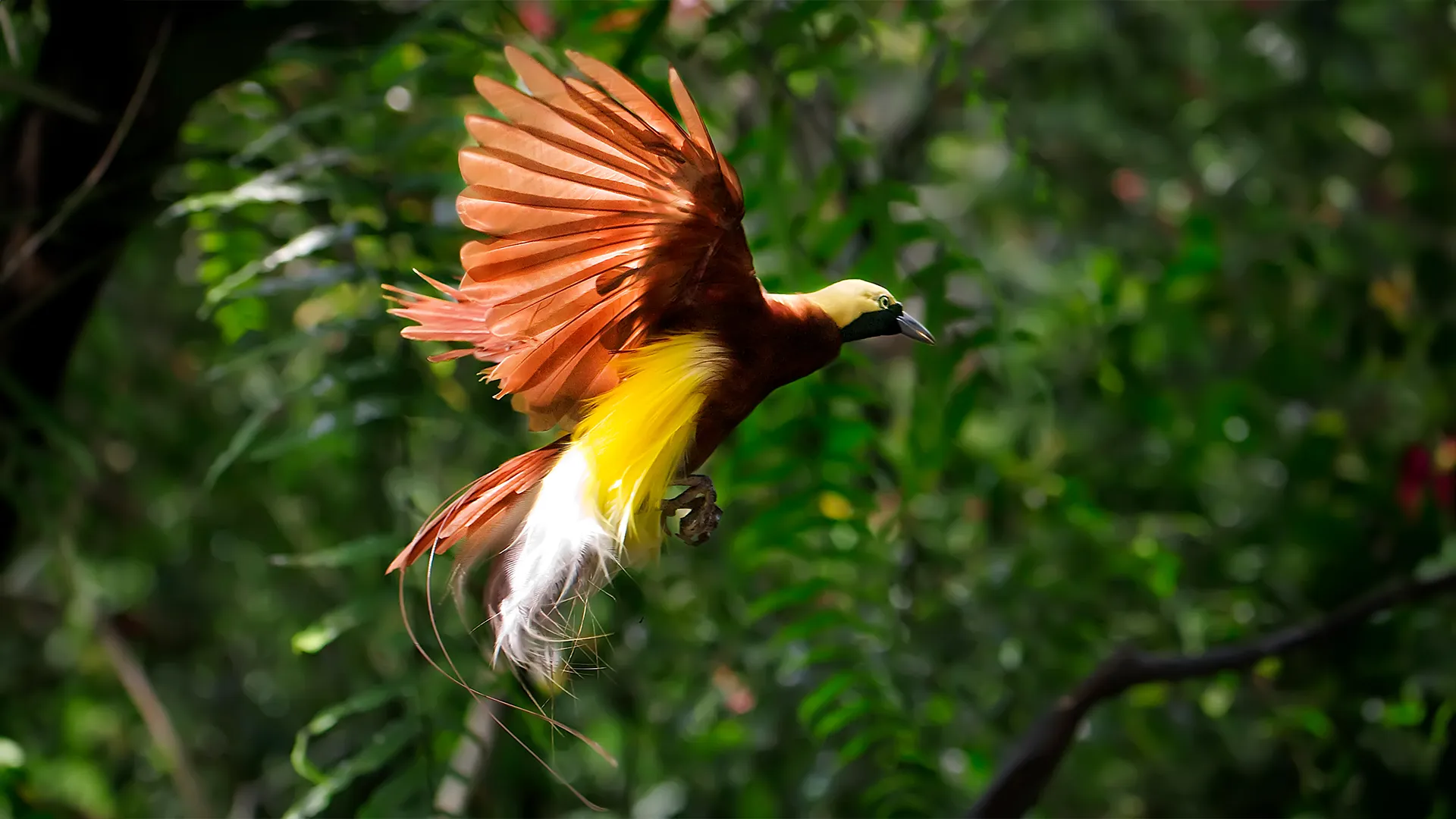
Raja Ampat in West Papua is a dream for enthusiasts seeking Birds-of-Paradise. The Wilson’s and Red Bird-of-Paradise, both endemic to the region, perform elaborate mating rituals deep in the jungle—best observed at dawn with a local guide leading the way. The archipelago’s karst islands and untouched forests also host the Palm Cockatoo and Eclectus Parrot, adding to its allure.
Komodo National Park, famous for its dragons, doubles as a haven for coastal and forest birds. The critically endangered Yellow-Crested Cockatoo still clings to life on Rinca and Komodo islands, while Orange-footed Scrubfowl and Beach Thick-knees patrol the shorelines. Sailing through the park offers seamless transitions between birding, trekking, and snorkeling—perfect for travelers who want more than a single focus.
Bali may be synonymous with resorts, but West Bali National Park shelters the last wild population of the Bali Myna. Conservation efforts here have given the species a fighting chance, and sightings—though rare—are possible with patience. Elsewhere on the island, wetlands and rice fields attract herons, egrets, and the elusive Sunda Scops Owl.
Sulawesi stands out for endemism. Isolated for millennia, it hosts over 90 bird species found nowhere else. Lore Lindu National Park shelters the bizarre Maleo, a megapode that buries its eggs in volcanic sand. Further north, Tangkoko Nature Reserve teems with Knobbed Hornbills and the vibrant Lilac Kingfisher—both favorites among photography-focused birders.
Java, despite its dense population, holds pockets of biodiversity. Gunung Gede Pangrango National Park, just a few hours from Jakarta, is home to the Javan Hawk-Eagle and Javan Trogon. Meanwhile, coastal reserves like Muara Angke provide crucial stopovers for migratory waterbirds.
Sumatra remains one of the most adventurous frontiers. Gunung Leuser National Park shelters the secretive Salvadori’s Pheasant and Sumatran Trogon, while Kerinci Seblat and Way Kambas offer chances to spot the Schneider’s Pitta and the critically endangered Storm’s Stork—species that test even experienced birders’ skills.
Best Time for Birdwatching in Indonesia
While birdwatching is possible year-round, timing your trip can significantly improve your chances of sightings. The dry season—typically from May to September—is ideal across most of the archipelago. With less rainfall and clearer trails, access to remote reserves improves, and birds are more active during cooler morning hours.
This period also overlaps with the arrival of migratory species from northern Asia. Shorebirds, raptors, and songbirds begin appearing in wetlands and coastal areas from August onward, peaking between October and March. For those targeting endemics, the dry months offer the best balance: stable weather, fewer leeches in the forest, and less chance of trail closures.
In Papua and Maluku, the bird-of-paradise breeding season runs from October to March. This is when males are most visible, performing their courtship displays in designated clearing sites called ‘leks’. Early morning visits during these months dramatically increase the odds of witnessing these behaviors—a highlight for any serious birder.
Meanwhile, breeding activity across Java, Bali, and Sulawesi tends to peak between April and June. This is when resident species are most vocal and visible, making identification easier. Planning around these natural rhythms ensures a richer, more rewarding experience.
Frequently Asked Questions
What makes Indonesia special for birdwatching?
Which bird species are unique to Indonesia?
Do I need to be an expert to go birdwatching in Indonesia?
Are there conservation efforts protecting Indonesia’s birds?
Related Blog Posts
Birds of Paradise: Indonesia’s Winged Wonders in Raja Ampat
Discover where to see Birds of Paradise in Indonesia. Join a Raja Ampat liveaboard with Boat Komodo Trip for an…
Read more →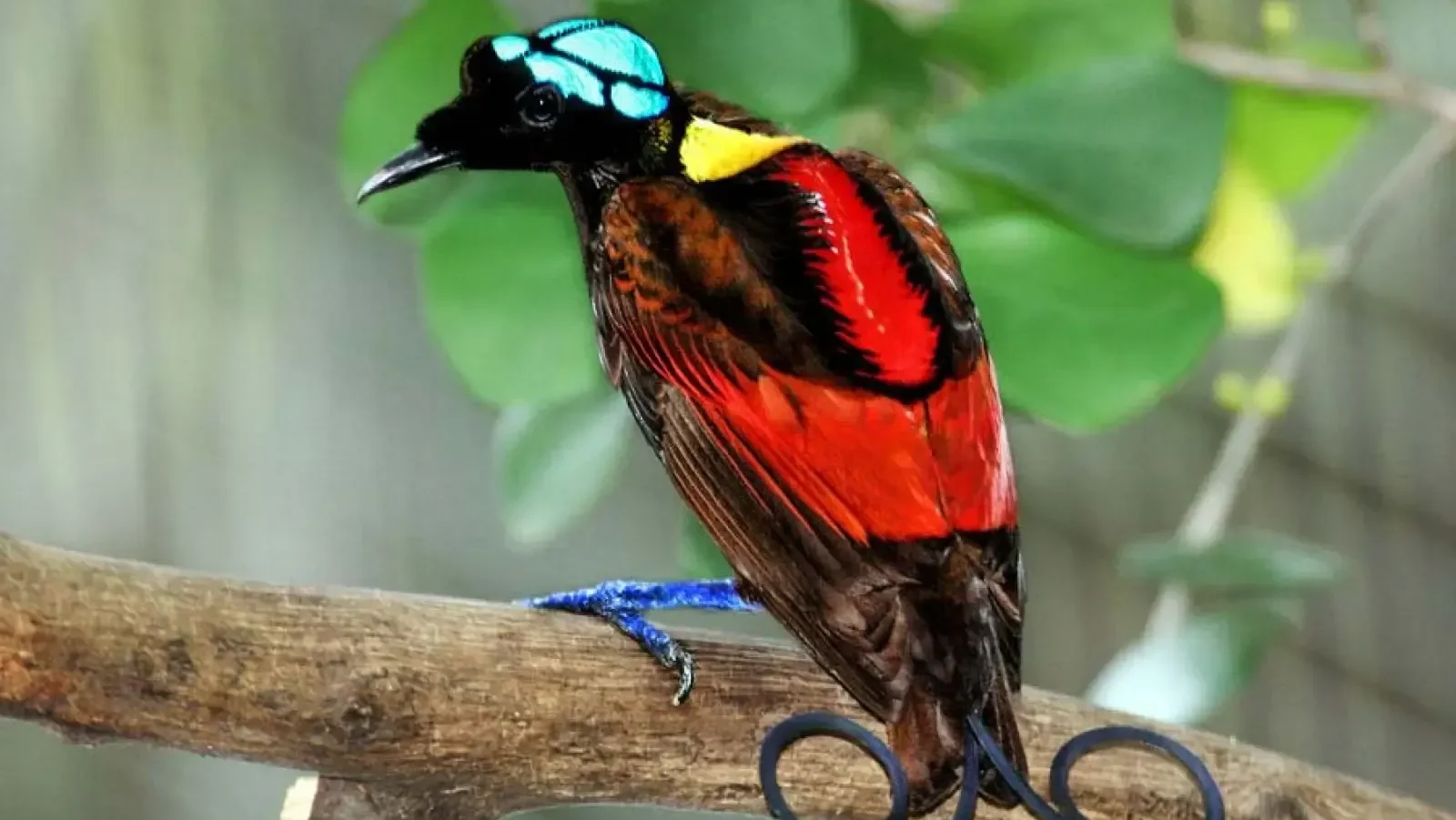
Escape to Batanta: Raja Ampat’s Quiet Birdwatching Haven
Discover Batanta Island, a serene haven for birdwatchers and nature lovers in Raja Ampat. Explore waterfalls,…
Read more →
Where to See Manta Rays in Indonesia While Snorkeling and Diving
Swim with gentle giants in Indonesia’s top manta ray habitats. Discover where and when to see them while snorkeling or…
Read more →
Best Place to See Komodo Dragons
Discover where to see Komodo dragons safely in Komodo National Park. Explore Rinca & Komodo Island with expert guides…
Read more →Why Komodo National Park is a Must-See Destination
Explore the must-see attractions of Komodo National Park with Boat Komodo Trip, from ancient dragons to stunning…
Read more →