
Dive Depths and Conditions Across the Archipelago
Raja Ampat caters to all experience levels, from beginner to technical diver. Depths vary widely: Kabui Bay ranges from 18 to 53 meters, ideal for mid-level explorers, while Sagewin Strait plunges from 104 to 508 meters—reserved for advanced or scientific dives. Light penetrates up to 30 meters, ensuring vibrant visibility in shallower zones.
Water temperatures hover between 29.2°C and 30.5°C, making wetsuits optional for most. Currents can be strong, especially at channel sites, so diving with a guide is strongly advised. The combination of depth variety and consistent warmth allows for extended bottom times and multiple dives per day, maximizing your underwater immersion.
Iconic Dive Sites You Can’t Miss
Cape Kri is legendary for biodiversity. Here, coral gardens explode with color, hosting over 374 fish species in a single dive. Manta rays often cruise by, while dogtooth tuna and jack fish patrol the blue. It’s a site that lives up to its reputation.
Blue Magic lives up to its name. A submerged pinnacle where currents draw in Spanish mackerel, giant trevally, and barracuda. Drift along the edge and watch predators hover in formation—a thrilling spectacle for intermediate and advanced divers.
Manta Sandy is a shallow cleaning station where manta rays gather to be serviced by reef fish. Snorkelers and divers float alongside these gentle giants, their wingspans stretching up to 5 meters. The encounter is serene, almost meditative—a highlight for many visitors.
Why a Liveaboard Transforms Your Experience
Given the vast distances between islands and shifting local regulations, a liveaboard is the most effective way to explore Raja Ampat. These vessels unlock remote reefs and atolls unreachable by day boats. You wake up near the next dive site, avoiding long transfers and maximizing dive time.
Beyond access, liveaboards offer comfort. Spacious cabins, fresh meals, and dive decks equipped with tanks and rinse stations simplify logistics. More importantly, expert dive guides lead every excursion. They know the tides, the sites, and how to match dives to your skill level—ensuring safety and satisfaction.
With Boat Komodo Trip, you gain a private charter experience. One boat, dedicated entirely to your group. Customize your route, pace, and duration. Whether you’re drawn to manta encounters or macro photography, the journey adapts to you.
Gallery

Frequently Asked Questions
What makes Raja Ampat unique for diving?
Do I need a dive certification to visit Raja Ampat?
Are Raja Ampat dive sites suitable for beginners?
Is a liveaboard the best way to dive Raja Ampat?
Related Blog Posts
Best Diving in Raja Ampat 2026
Discover the best diving in Raja Ampat 2026, from Cape Kri to Manta Sandy. Explore vibrant reefs and swim with mantas.…
Read more →
Raja Ampat Diving Spots: Unveiling the Hidden World
Discover the best Raja Ampat diving spots, from beginner-friendly sites to advanced dives, and experience the…
Read more →Misool Diving Adventures in Pristine Raja Ampat
Experience world-class Misool diving adventures with Boat Komodo Trip. Discover marine life, manta rays, and more in…
Read more →
Raja Ampat Liveaboard and Diving Guide: Top Luxury Boats
Discover the best Raja Ampat liveaboard options and learn about the region's top dive sites, marine life, and…
Read more →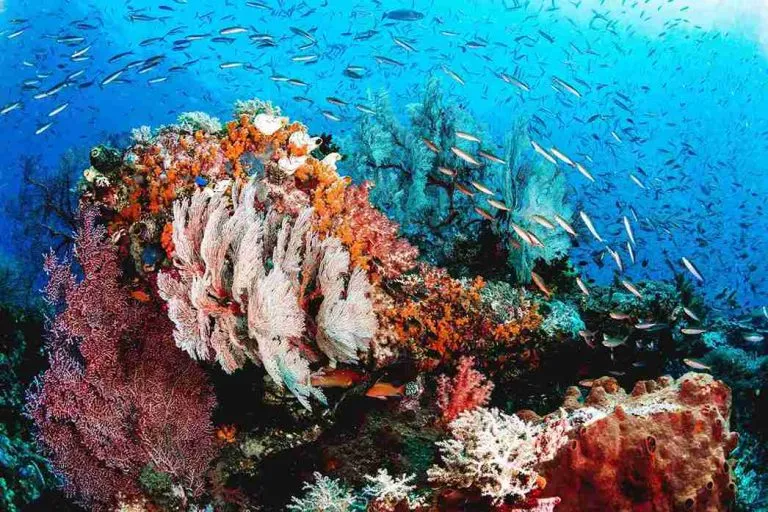
Is Diving in Raja Ampat Safe? Your Guide to a Safe Dive
Discover the safety of diving in Raja Ampat with our expert guide. Learn about the marine biodiversity, diving…
Read more →