
Why Timing Shapes Your Experience
Cenderawasih Bay doesn’t follow a calendar of convenience — it moves to the pulse of wind, tide, and rain. This isn’t a destination where you can show up any time and expect the same rewards. The difference between smooth sailing and a bumpy ride, between 30 meters of underwater visibility and murky currents, often comes down to a few key months.
When conditions align — calm seas, steady skies, and warm, clear water — the bay opens up. You can drift alongside gentle whale sharks near Kwatisore Village, explore untouched coral reefs, or kayak into hidden lagoons without another soul in sight. These moments don’t happen by accident. They’re tied to seasonal shifts that influence everything from marine behavior to accessibility.
Even if you're not chasing perfect diving, understanding the rhythm matters. The wet season brings lush greenery and dramatic skies, with fewer boats navigating the bay. It’s a time for introspection, for rainforest-covered islands steaming under morning mist. But if your priority is ease, visibility, and consistent wildlife encounters, aligning your trip with the dry season makes all the difference.
The Dry Season: October to April
From October through April, Cenderawasih Bay settles into its most traveler-friendly phase. Known locally as the dry season, these months bring stable weather, minimal rainfall, and sea conditions that favor both diving and cruising. Winds are light, waves are gentle, and the horizon often blurs into a seamless line of blue.
Underwater, visibility can stretch beyond 20 meters, revealing coral gardens in full color and schools of fusiliers swirling above drop-offs. This is also when whale sharks are most reliably seen, drawn to the fisherman’s hand-feeding platforms near Kwatisore. Snorkelers and divers alike have consistent opportunities to swim with these filter feeders in shallow, protected waters.
Above the surface, the experience is just as refined. Long daylight hours allow for full-day explorations — whether it’s hiking to coastal lookouts, photographing nesting birds on rocky islets, or simply lounging on deck with a book as the bay glides by. Luxury yachts and liveaboards operate on flexible routes, stopping at secluded bays where you can swim, paddle, or rest in total privacy.
The Wet Season: May to September
From May to September, Cenderawasih Bay shifts into a quieter, more introspective mode. This is the wet season, marked by occasional rain showers, stronger winds, and slightly rougher seas. It’s not the peak time for tourism, but that doesn’t mean it’s off-limits — far from it.
Mornings are often clear and still, offering windows for diving, snorkeling, or island landings. While afternoon rains can roll in quickly, they’re usually short-lived, leaving behind a refreshed landscape and cooler air. The surrounding rainforest becomes intensely green, cascading down cliffs into the sea, creating a dramatic backdrop for photography and quiet reflection.
Marine life remains active. Whale sharks still visit feeding areas, and mantas patrol deeper channels. Liveaboard operators adjust itineraries to stay within sheltered zones, focusing on protected coves and inner islands. For travelers seeking solitude, fewer crowds, and a deeper sense of immersion, this season offers a rare intimacy with the bay’s wilder side.
Month-by-Month Guide to Cenderawasih Bay
Every month in Cenderawasih Bay carries its own tone. While the dry season (October–April) delivers the most predictable conditions, each period offers distinct advantages depending on what you value — crowds, clarity, wildlife, or peace.
October and November mark the start of calm seas, with improving visibility and fewer visitors than the peak months. December and January bring the busiest period — ideal for those who want guaranteed conditions and don’t mind sharing the bay with a few more boats. February and March offer the same high-quality diving and cruising but with thinner crowds, making them a sweet spot for discerning travelers.
April remains excellent, though it’s a transition month as the dry season winds down. By May and June, rain becomes more frequent, but mornings are still usable for excursions. July and August see the heaviest rains and choppiest seas, so routes are often limited to inner bays. September, however, is a lesser-known spot — rains taper off, seas smooth out, and the bay begins its quiet return to dry-season calm, all without the holiday-season rush.
How to Make the Most of Your Visit
Reaching Cenderawasih Bay requires planning, not just because of its location, but because the best experiences depend on coordination. Flights to Manokwari or Nabire — the nearest gateways — are limited and often connect through Jakarta or Makassar. From there, boat transfers can take several hours, depending on tides and weather.
Booking your liveaboard or private yacht well in advance ensures you secure a spot during the preferred months. Operators like Boat Komodo Trip design itineraries that adapt to seasonal conditions, prioritizing safety and access to prime sites. They also carry experienced guides who know where whale sharks are most active and which reefs are in best condition.
Packing smart matters too. Even in the dry season, a light rain jacket and quick-dry clothing are useful. Bring reef-safe sunscreen, a wide-brimmed hat, and a polarized mask for snorkeling — these small choices enhance comfort and protect the environment. And since connectivity is limited, consider this a chance to disconnect and fully absorb the stillness of the bay.
Frequently Asked Questions
What is the best month to swim with whale sharks in Cenderawasih Bay?
Is it safe to visit Cenderawasih Bay during the wet season?
How do I get to Cenderawasih Bay?
Are there crowds in Cenderawasih Bay?
Related Blog Posts
How to Get to Cenderawasih Bay 2026: A Complete Guide
Discover the best time to visit Cenderawasih Bay, how to get there, and expert tips for a seamless and luxurious…
Read more →Best Time to Visit Triton Bay and Kaimana: What You Need to Know!
Discover the ideal time to visit Triton Bay and Kaimana for whale sharks, clear waters, and luxury adventures. Plan…
Read more →Best Time to Visit Spice Island: Here’s What You Need to Know!
Discover the best time to visit Spice Island for clear seas, hammerhead shark dives, and cultural moments. Plan your…
Read more →Can You Visit Komodo Island in September 2026? Here’s Everything You…
Yes, you can visit Komodo Island in September 2026. Discover weather, diving, dragon sightings, and travel tips for a…
Read more →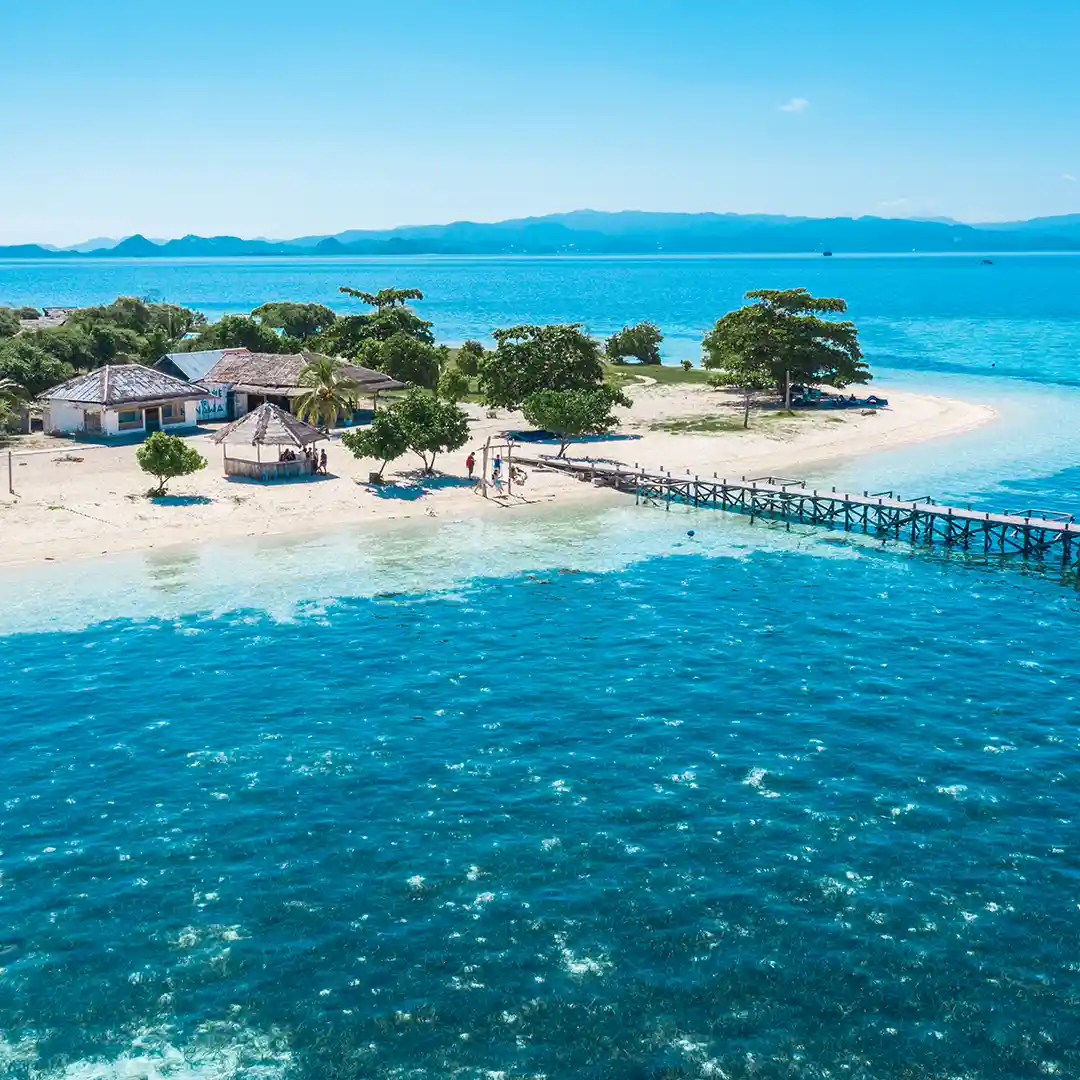
Everything You Need to Know About Kanawa Island
Discover Kanawa Island in Komodo National Park—white-sand beaches, vibrant reefs, and Komodo dragons nearby. Plan your…
Read more →