
Why Indonesia Defines Luxury Travel in 2026
Indonesia is stepping into its moment as a premier destination for discerning travelers—those who value space, authenticity, and experiences shaped by place, not crowds. In 2026, the country’s appeal lies not just in its scale, but in how well it aligns with the evolving desires of modern luxury: slow movement, minimal footprints, and maximum immersion.
From the coral kingdoms of eastern Indonesia to the cultural strongholds of Sumba and the Moluccas, the archipelago offers journeys that unfold over days, not hours. These are places where you wake to the sound of waves against a phinisi hull, not city traffic, and where your closest neighbors might be manta rays or village weavers practicing ancestral crafts.
What sets Indonesia apart is its ability to deliver both adventure and ease. Through trusted local operators like Boat Komodo Trip, remote destinations become accessible without losing their sense of seclusion. It’s this balance—between comfort and wild beauty—that makes Indonesia not just a destination, but a new standard for meaningful travel.
10 Unmissable Destinations in Indonesia for 2026
The best place to visit in Indonesia in 2026 isn’t just one location—it’s a sequence of islands, each revealing a different facet of the country’s soul. From marine biodiversity hotspots to culturally rich highlands, these destinations are chosen for their exclusivity, ecological significance, and capacity to deliver deeply personal experiences.
Boat Komodo Trip has spent over a decade navigating these waters, earning multiple TripAdvisor awards and building relationships with coastal communities. This local insight ensures that every journey avoids tourist trails and instead follows hidden channels—both literal and cultural—where the real Indonesia thrives.
Below are ten destinations that represent the pinnacle of what Indonesia offers in 2026. Each can be woven into a seamless, yacht-based itinerary, allowing you to move across regions without sacrificing comfort or continuity.
Island by Island: What Makes Each Destination Unique
Bali remains a gateway, but not for the reasons most expect. Beyond the temples and rice terraces of Ubud, a quieter Bali unfolds—one of private coastal estates, wellness sanctuaries, and cultural encounters with artists and healers. When paired with a sailing journey, Bali becomes a place of transition, where urban refinement meets island serenity.
Komodo National Park, a UNESCO site, is more than dragons and pink sand. It’s a landscape of jagged isles and turquoise straits, best explored by liveaboard. With Boat Komodo Trip, you anchor in bays unseen by day boats, hike Padar at sunrise without crowds, and snorkel with reef sharks in currents that pulse with life.
Raja Ampat, often called the ‘last paradise,’ hosts the planet’s richest marine biodiversity. Here, coral diversity exceeds 600 species, and visibility often stretches beyond 30 meters. A luxury liveaboard allows you to drift through narrow channels, spot pygmy seahorses, and sleep under stars so dense they blur the horizon.
Triton Bay, less known but equally stunning, draws those seeking solitude and rare wildlife. Whale sharks visit year-round, drawn to the nutrient-rich upwellings near Kaimana. With limestone karsts rising from glassy waters and tribes practicing age-old customs, Triton Bay feels like discovery in its purest form.
Cendrawasih Bay offers something rarer still: intimate encounters with gentle whale sharks that glide beneath traditional fishing platforms called bagans. This isn’t a staged show—it’s a natural symbiosis, best observed from a quiet yacht that respects the rhythm of the sea.
Alor and Maumere, two regions in East Nusa Tenggara, blend volcanic landscapes with vibrant underwater worlds. Alor’s dive sites teem with macro life, while Maumere’s coast holds sacred traditions and coral gardens recovering from past bleaching. Together, they form a quiet counterpoint to busier routes.
The Spice Islands—once fought over by empires—are now a destination for those who love history written in scent and soil. Clove, nutmeg, and mace still grow here, and walking through a grove at dawn, you can smell the past. Sailing through the Banda and Ternate islands, you’re not just touring—you’re retracing centuries.
Derawan Island, off East Kalimantan, is a haven for sea turtles, eagle rays, and those who prefer calm waters over strong currents. Its shallow reefs and long sandy spits make it ideal for families or travelers seeking a gentler pace, without leaving behind luxury or access to wild nature.
Sumba Island stands apart with its megalithic tombs, warrior traditions, and ikat weaving that takes months to complete. Unlike much of Indonesia, Sumba has resisted mass tourism. Instead, it offers curated stays at eco-lodges where you can attend a pasola festival or ride horses along deserted beaches.
Luwuk Banggai, in Central Sulawesi, is one of the newest frontiers. Its coral atolls and mangrove-fringed islets are home to endemic species and traditional Bugis sailors. Few tourists visit, and those who do often come via private yacht—making it a true lesser-known spot for 2026.
Frequently Asked Questions
What is the best time to visit Indonesia for island travel?
How do I choose between Raja Ampat and Komodo?
Are these destinations suitable for non-divers?
How does Boat Komodo Trip ensure sustainable travel?
Related Blog Posts

Best Place to See Komodo Dragons
Discover where to see Komodo dragons safely in Komodo National Park. Explore Rinca & Komodo Island with expert guides…
Read more →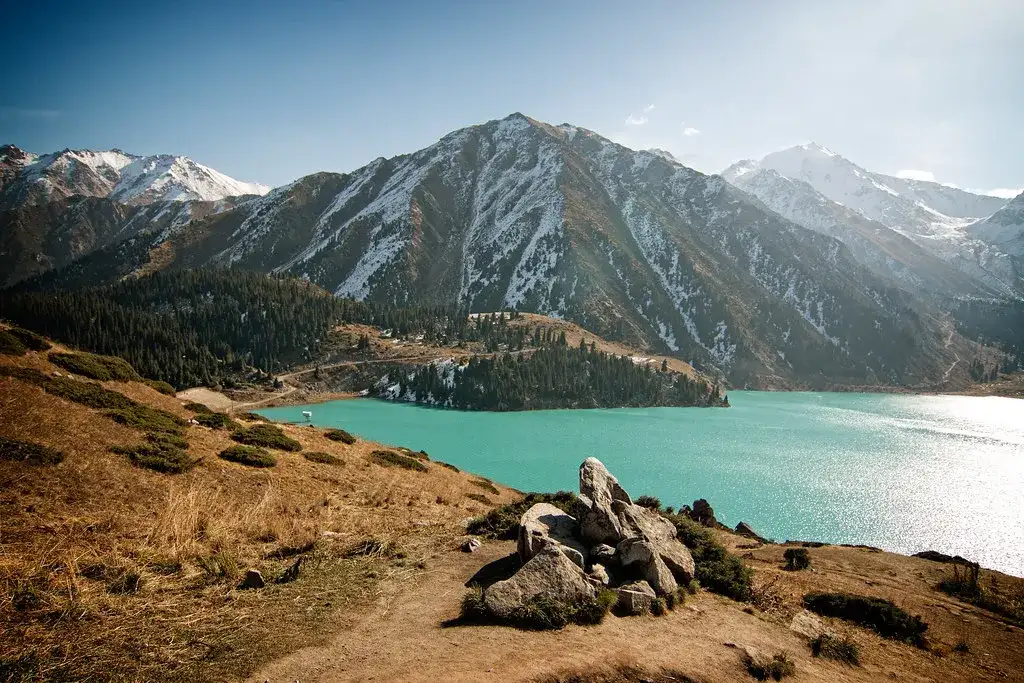
Best Destinations to Visit in 2025
Explore the world’s most inspiring places to visit in 2025—from Sumba to Siargao. Let Boat Komodo Trip guide your next…
Read more →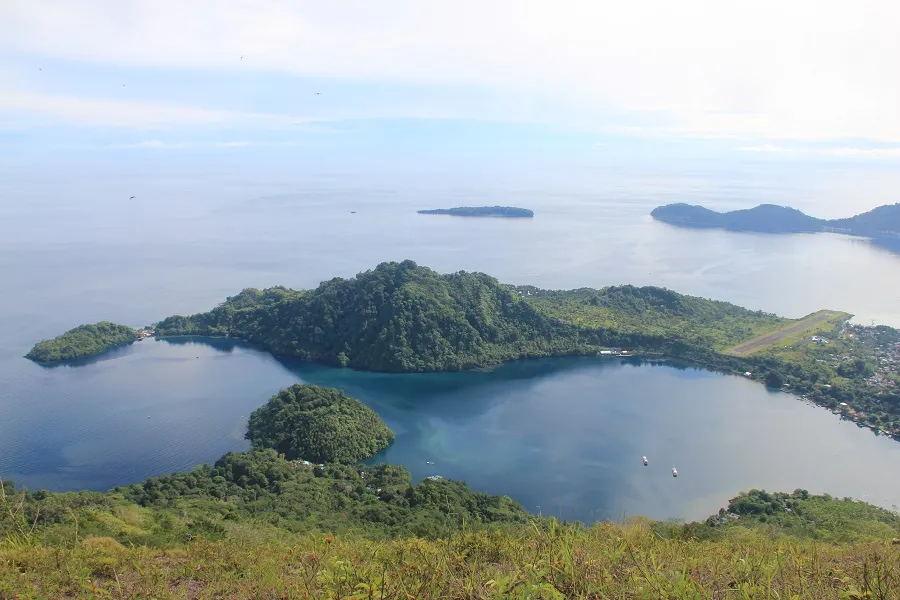
Best Yacht Charter Destinations Indonesia: Sailing Paradise Awaits
Discover Indonesia’s top yacht charter destinations with Boat Komodo Trip. Sail turquoise waters, explore hidden…
Read more →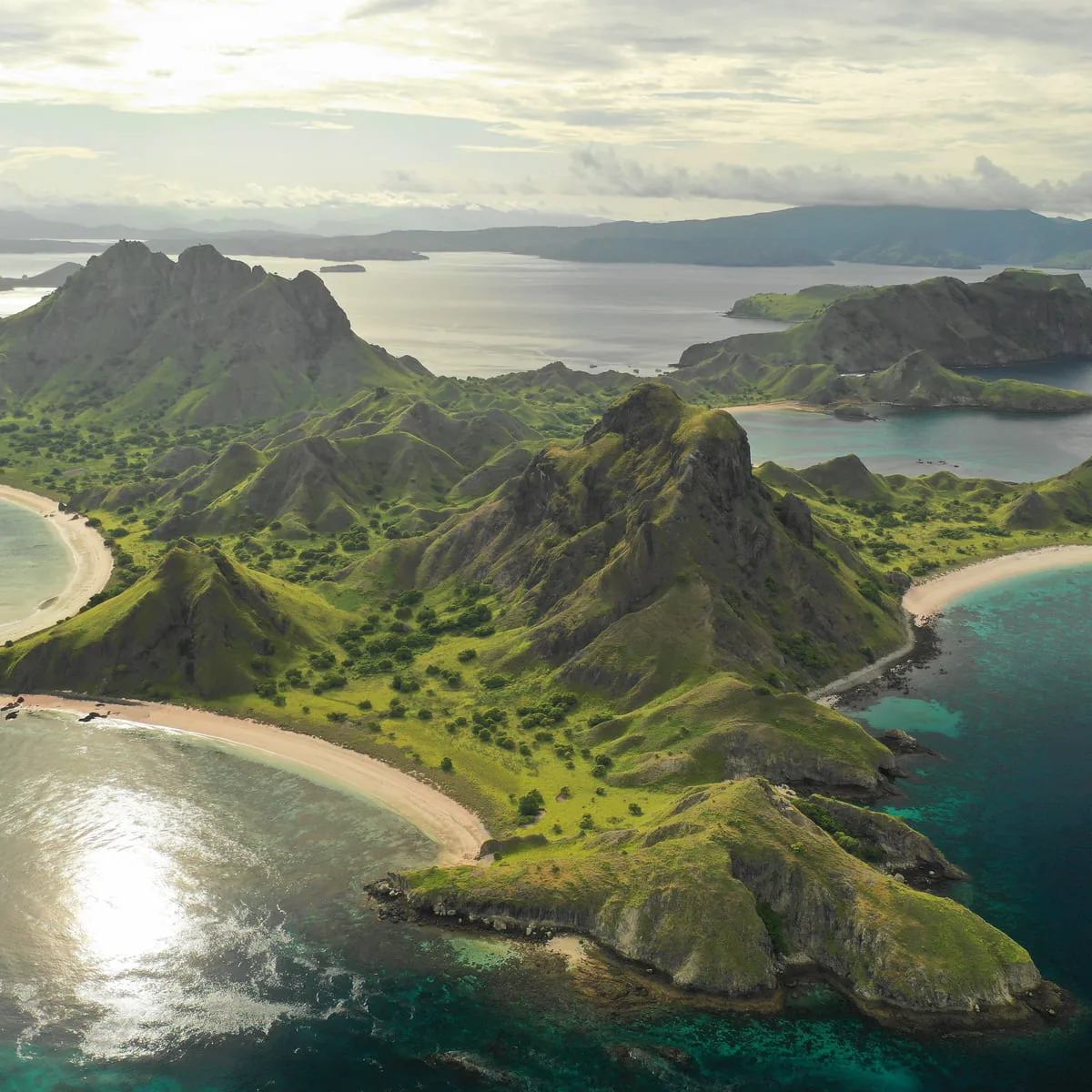
Top 5 Destinations You Should Visit during Komodo Sailing Tours
Explore the best of Komodo National Park with Boat Komodo Trip's expert sailing tours, visiting iconic islands,…
Read more →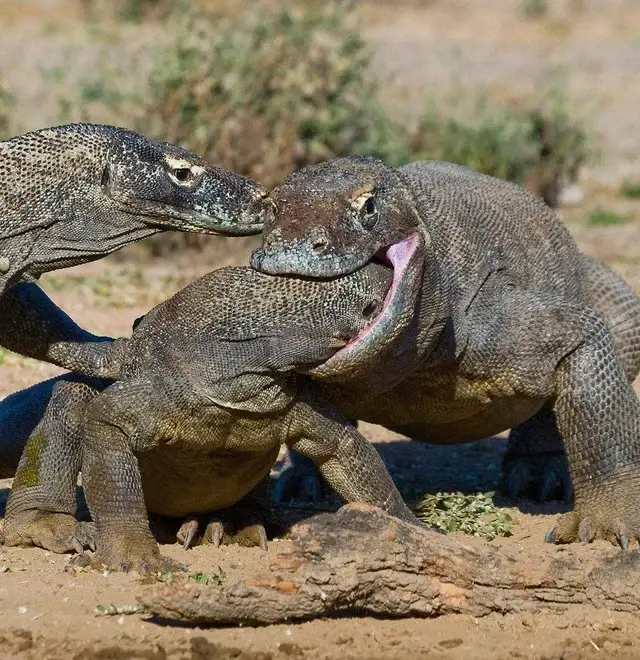
How to Travel to Komodo Island 2026 – Visit Komodo National Park
Discover the ultimate guide to traveling to Komodo Island in 2026, including the best time to visit, how to get there,…
Read more →