
Komodo Island: A Wild Adventure
Komodo Island is one of the largest islands in Komodo National Park, known for its rugged landscape and wild terrain. It takes around 3 to 4 hours by boat to reach Komodo Island from Labuan Bajo, depending on the weather and sea conditions. The island's terrain is marked by rocky hills and dense forests, making it ideal for adventurers looking for a more challenging trekking experience. As you trek through Komodo Island, you'll be surrounded by a blend of forest, hills, and savanna, offering breathtaking scenery throughout the journey. The island is home to a large population of Komodo Dragons, although the creatures are scattered across the island's vast areas. Komodo dragons are wild animals, so their sightings are unpredictable. You could come across several dragons during your trek, or you might encounter only a few. This unpredictability adds to the thrill of exploring Komodo Island, knowing that every experience is unique.
Rinca Island: A More Accessible Experience
Rinca Island, on the other hand, offers a more accessible and structured experience for visitors. Being located closer to Labuan Bajo, Rinca Island is only about a 2-hour boat ride away, depending on the weather and currents. The terrain on Rinca Island is less steep, making it easier to explore compared to Komodo Island. This island is ideal for those who prefer a more accessible trekking experience, including families, older adults, or travelers who may not be as physically active. The trails are well-marked and provide a great opportunity to observe Komodo dragons and other wildlife in a more manageable setting. Visiting Rinca Island feels more like a guided safari experience, with local guides leading the way and providing insightful information about the wildlife and ecosystem.
Komodo Island vs Rinca Island: Key Differences
While both Komodo Island and Rinca Island are home to Komodo dragons, the two islands have different characteristics and geographic features. Komodo Island is known for being more wild and untamed, making it perfect for those who want a rugged adventure in nature. On the other hand, Rinca Island is more accessible, with easier trails that cater to a wider range of travelers, including families and older visitors. There are more Komodo dragons on Komodo Island, but they are spread out across different areas due to its vast size. However, the chances of spotting a Komodo dragon on either island are about the same. Komodo dragons are wild animals, so their behavior is unpredictable. You could encounter many dragons at once, or just a few. This unpredictability is part of the magic of seeing these creatures in the wild.
Frequently Asked Questions
Is it easier to spot Komodo Dragons on Rinca Island than on Komodo Island?
Can I visit both islands in one day?
Is a guide necessary for trekking?
When is the best time to see Komodo Dragons?
What other activities can I do around Komodo National Park?
Related Blog Posts
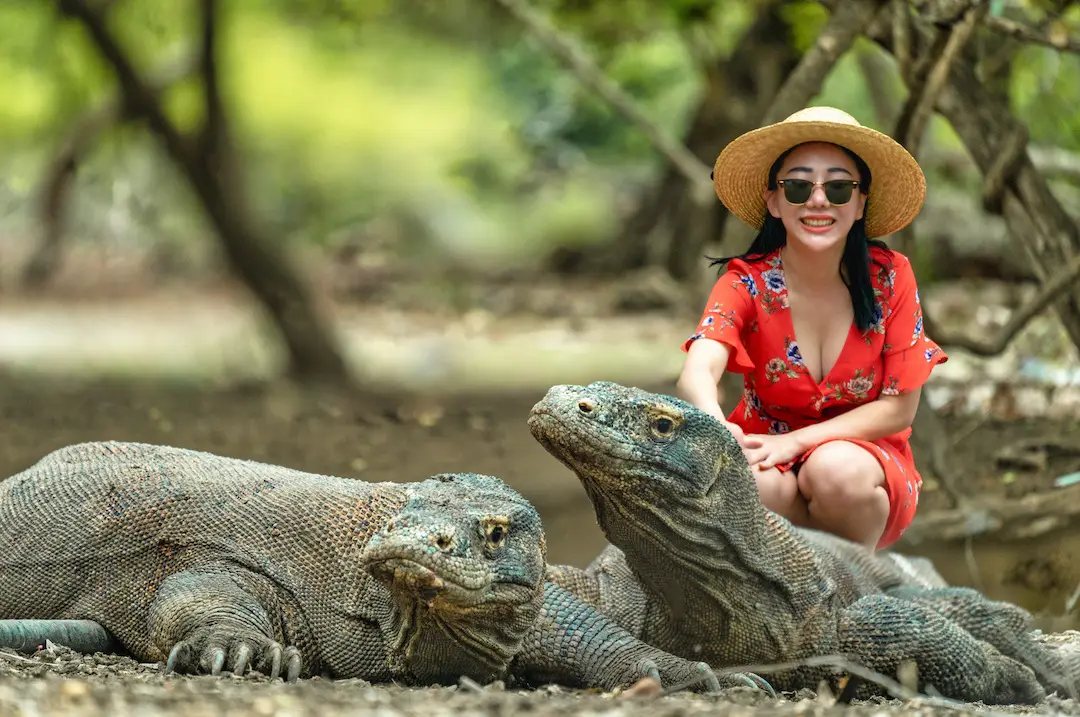
Komodo Dragons in Rinca Island – Wild Encounters Await
See Komodo dragons up close in Rinca Island, a UNESCO sanctuary teeming with wildlife and pristine nature. Plan your…
Read more →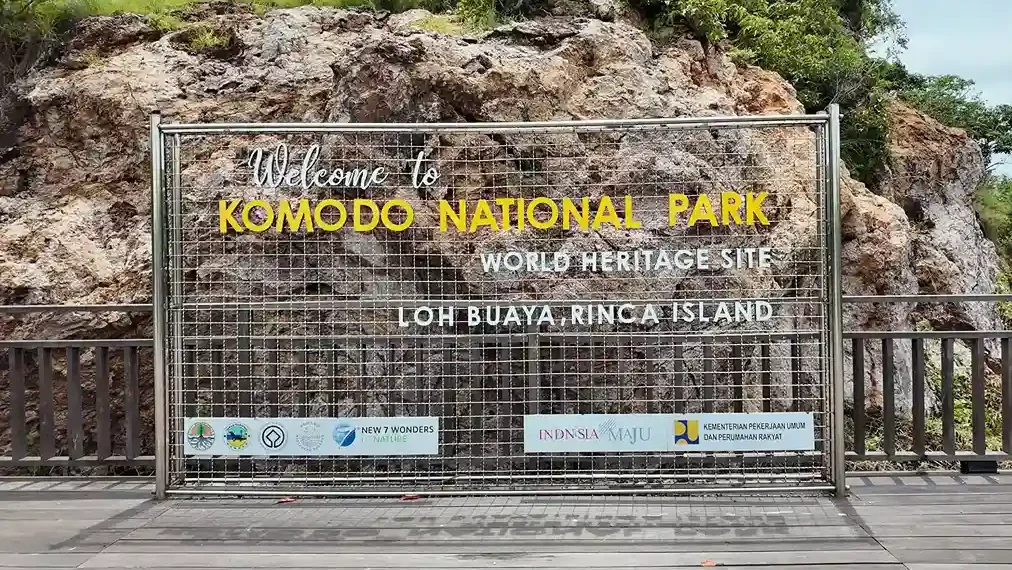
Rinca Island Trekking Tour: Unleash the Wild Beauty of Komodo…
Embark on a Rinca Island trekking tour and discover the majestic Komodo dragons, scenic savannahs, and diverse wildlife…
Read more →
Best Place to See Komodo Dragons
Discover where to see Komodo dragons safely in Komodo National Park. Explore Rinca & Komodo Island with expert guides…
Read more →Komodo Island vs Galapagos: Which Offers the Best Wildlife and Luxury…
Compare Komodo Island and Galapagos for the best wildlife and luxury adventures. Explore landscapes, sailing, diving,…
Read more →Raja Ampat vs Galapagos: Which Island Paradise Suits You Best?
Compare Raja Ampat and Galapagos to choose the perfect island getaway. Explore Raja Ampat with Boat Komodo Trip for an…
Read more →