
Kalong Island — Komodo National Park
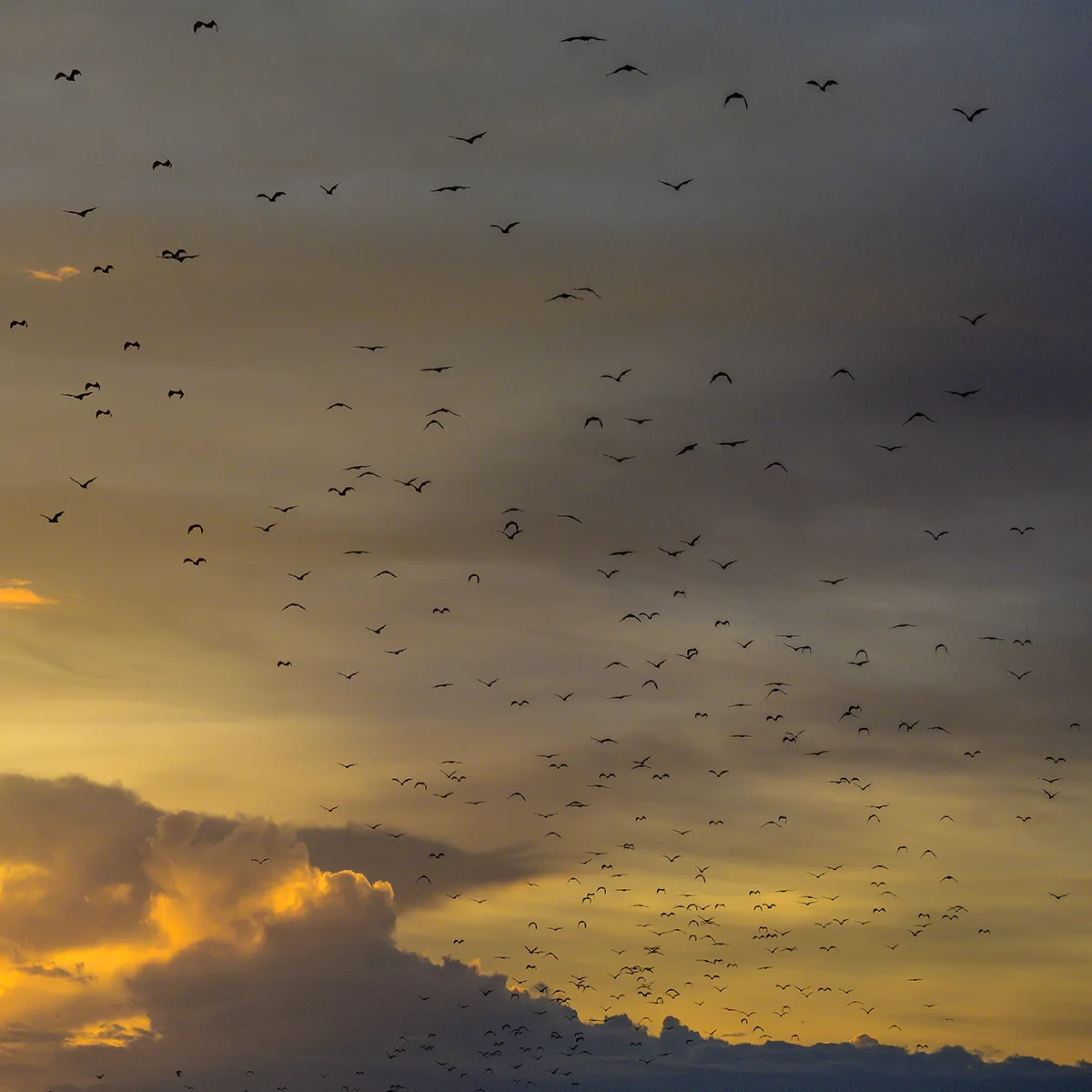
A narrow island of tangled mangroves and swaying palms, Kalong Island is alive with movement as dusk falls. Here, over 1,000 fruit bats take flight each evening in one of Komodo National Park’s most mesmerizing natural displays.
Where Is Kalong Island?
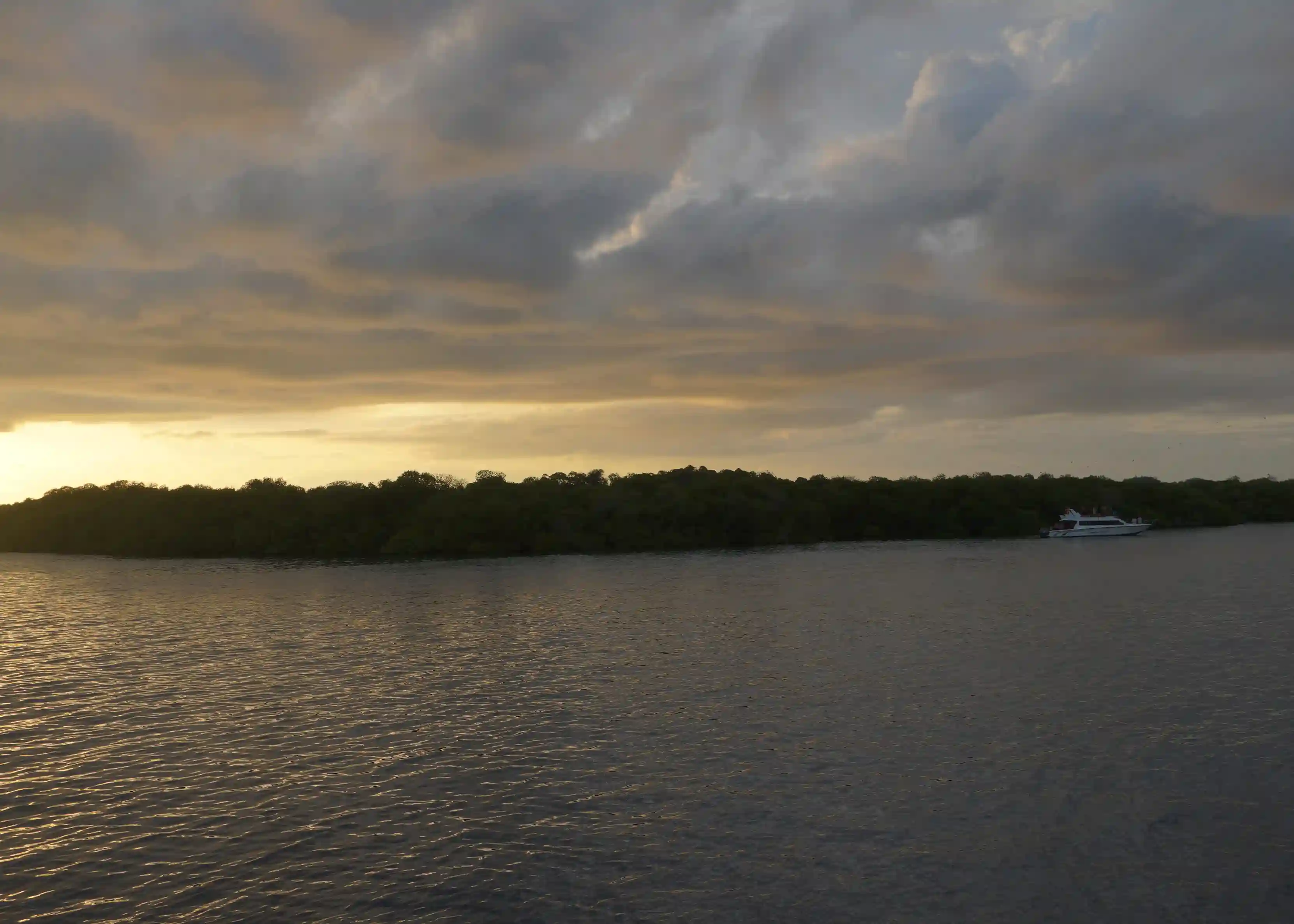
Situated in the heart of the Flores Sea, Kalong Island lies within the protected waters of Komodo National Park, roughly 20 nautical miles northeast of Labuan Bajo. It forms part of a chain of small islands separating the larger landmasses of Flores and Komodo, making it a natural midpoint on most multi-day sailing itineraries. The island is uninhabited, with no permanent structures or facilities, preserving its role as a sanctuary for wildlife. Its name—'Kalong'—comes from the Indonesian word for flying fox, a fitting tribute to its most famous residents.
Best Time to Visit Kalong Island
The ideal time to visit Kalong Island aligns with the dry season in East Nusa Tenggara, from April to December. During these months, skies are clear, seas are calm, and visibility is high—perfect conditions for boat travel and wildlife observation. The bat exodus begins just before sunset, so timing your arrival between 5:30 PM and 6:00 PM ensures you catch the full spectacle. Winds are generally light in the evening, allowing boats to anchor quietly near the mangrove edges without disturbing the colony. While the bats are present year-round, visits during the wet season (January to March) may be disrupted by rain and stronger currents.
What to Do at Kalong Island
The main attraction is unmistakable: watching thousands of Pteropus vampyrus—large flying foxes with wingspans up to 1.5 meters (5 feet)—launch from the mangrove canopy in waves as daylight fades. This synchronized departure is a survival strategy, reducing individual risk from predators like sea eagles. Boat crews typically anchor at a respectful distance, using minimal lighting to avoid startling the animals. Beyond the bat flight, the surrounding waters offer gentle snorkeling opportunities over shallow coral patches, though the focus remains on quiet observation. Some itineraries include a brief shoreline walk to observe roosting patterns, though direct interaction is discouraged to protect the habitat.
Gallery
Pricing
Rates as published on our legacy listing. Contact us for current availability, seasonal rates, and private-charter offers.
| Category | Price |
|---|---|
| 7D6N Komodo Tour From Mill | IDR 60.5 |
| 9D8N Komodo Tour From Mill | IDR 60.5 |
| 11D10N Komodo Tour From Mill | IDR 60.5 |
| 9D8N Raja Ampat From | USD 6.400 |
| 7D6N Raja Ampat From | IDR 86.190.000 |
Frequently Asked Questions
Why is Kalong Island called 'Bat Island'?
Can you swim or snorkel at Kalong Island?
Is it safe to visit when the bats are flying?
How long do we stay at Kalong Island during a tour?
Plan Your Visit
Our charter specialists reply on WhatsApp within minutes — typically during waking hours WITA.
WhatsApp +62 851-9009-6797