
Komodo National Park: Manta Point & Manta Alley
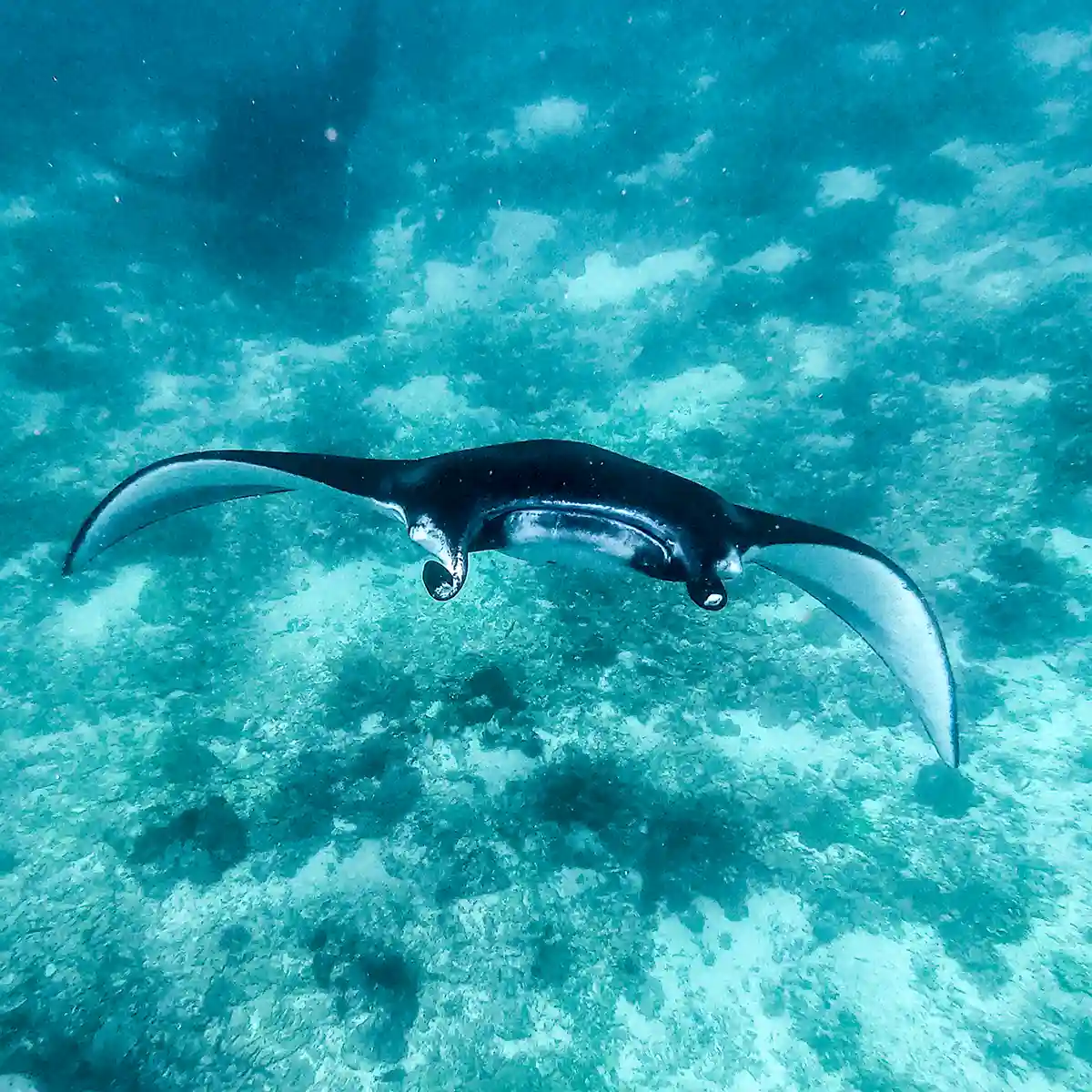
Taka Makassar, better known as Manta Point, lies within Komodo National Park where strong currents funnel plankton through a wide channel. This natural buffet attracts reef and oceanic mantas year-round, often feeding mid-water just meters from snorkelers. The sandy bottom and excellent visibility make it easy to track their movements.
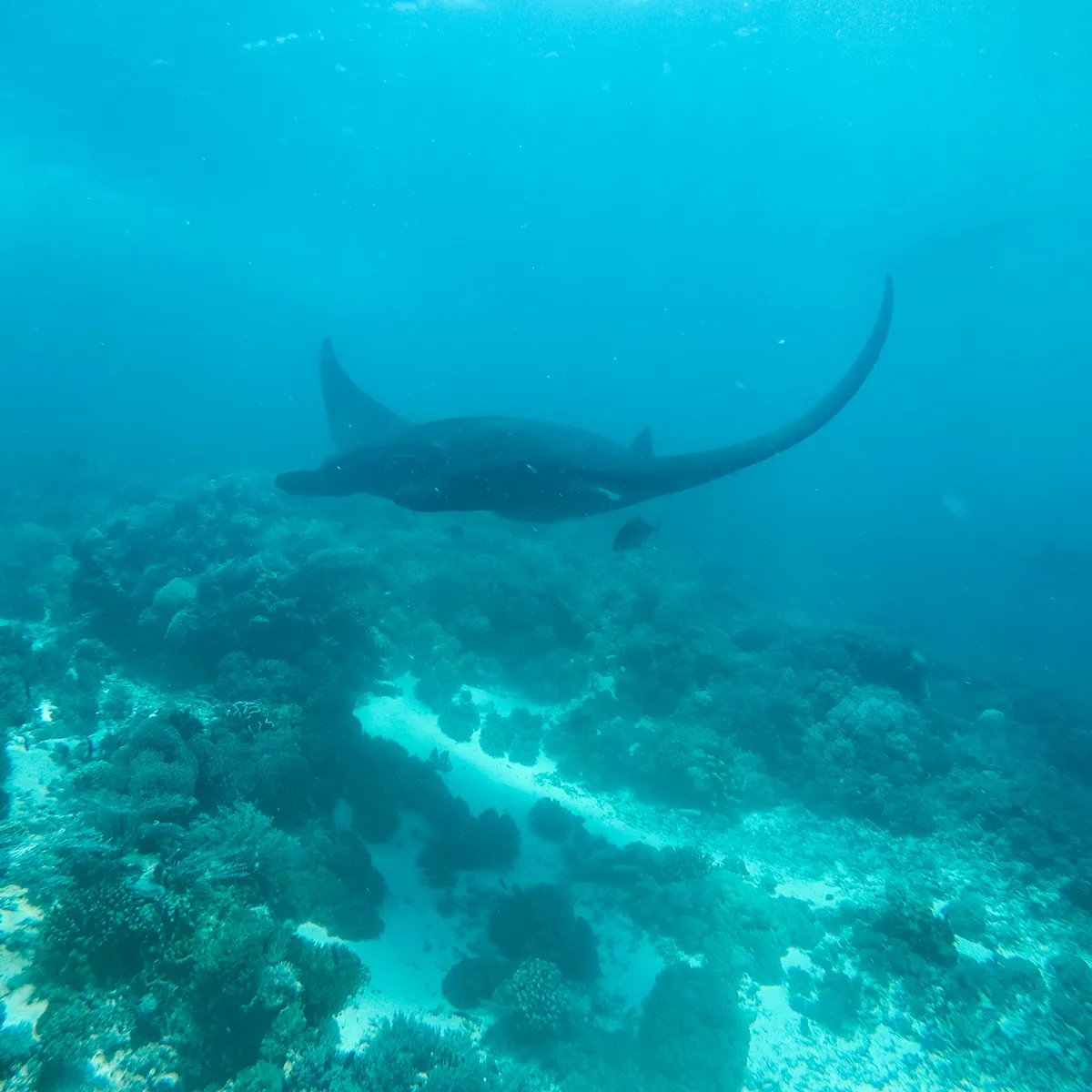
Nearby, Manta Alley offers a different perspective—a narrow corridor flanked by coral walls where mantas cruise close to the reef, sometimes stacking in groups as they wait for cleaning stations. Unlike open-channel sites, here you’re surrounded, with mantas circling above and alongside.
Raja Ampat, Nusa Penida & Alor: Beyond Komodo
Raja Ampat’s Blue Magic lives up to its name. At around 8 meters deep, this submerged pinnacle pulses with life—sponges, soft corals, and swirling jackfish dominate, but mantas are frequent visitors drawn to the plankton-rich upwellings. Divers often hover midwater, watching as mantas carve slow arcs through the current.
Manta Ridge, another Raja Ampat site, features a 40-meter slope where mantas appear as early as 6 meters. Strong currents mean this dive suits more experienced divers, but the payoff includes not just mantas but also trevallies, turtles, and reef sharks.
In Bali, Nusa Penida’s Manta Bay and Manta Point see regular visits, particularly from May to November. While sightings can occur near Crystal Bay or even from coastal cliffs, the deep, surge-prone waters demand comfort in open ocean conditions—best for confident snorkelers and divers.
Further east, Alor welcomes mantas from March through January, with peak activity tied to plankton blooms. Though less predictable, the region rewards with not just mantas but also sunfish (mola-mola) and hammerhead sharks, making it a standout destination for pelagic life.
Gallery
Frequently Asked Questions
When is the best time to see manta rays in Komodo?
Is snorkeling with manta rays in Nusa Penida safe?
Do I need to be a certified diver to see manta rays?
Are manta rays protected in Indonesia?
Related Blog Posts
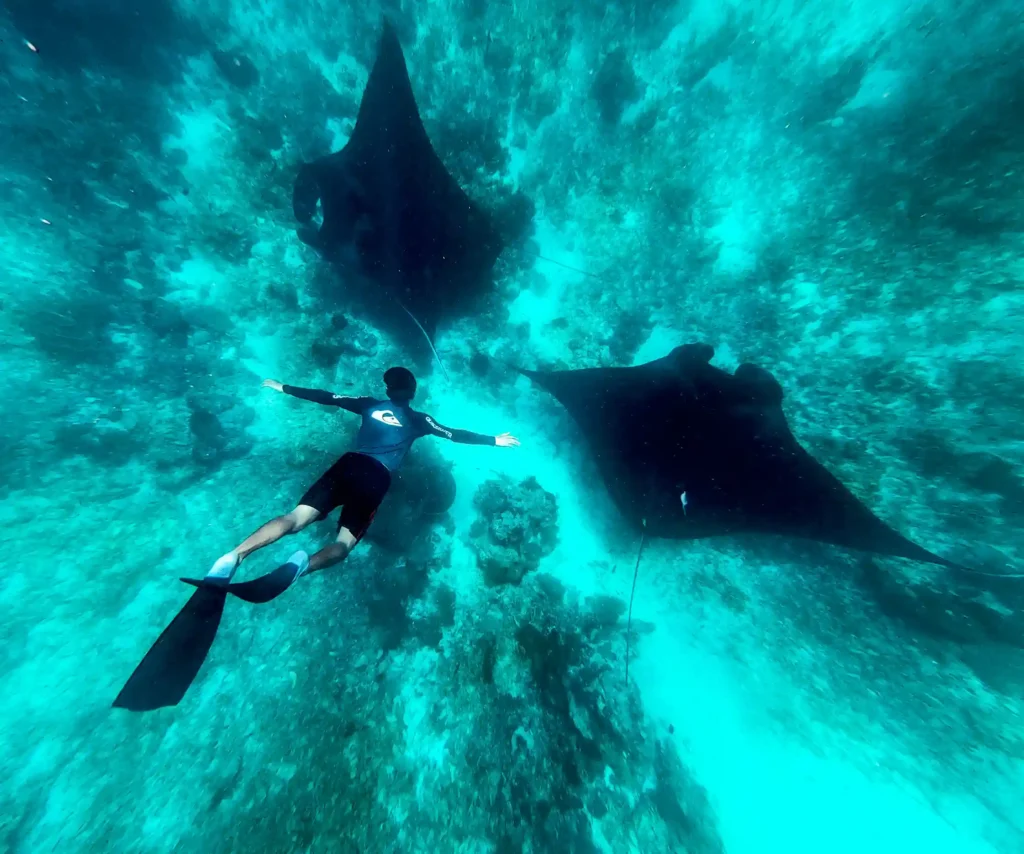
Manta Ray Season in Komodo: The Best Time to See Manta Rays at Komodo…
Plan your Komodo Island tour with Boat Komodo Trip and experience the best time to see manta rays in their natural…
Read more →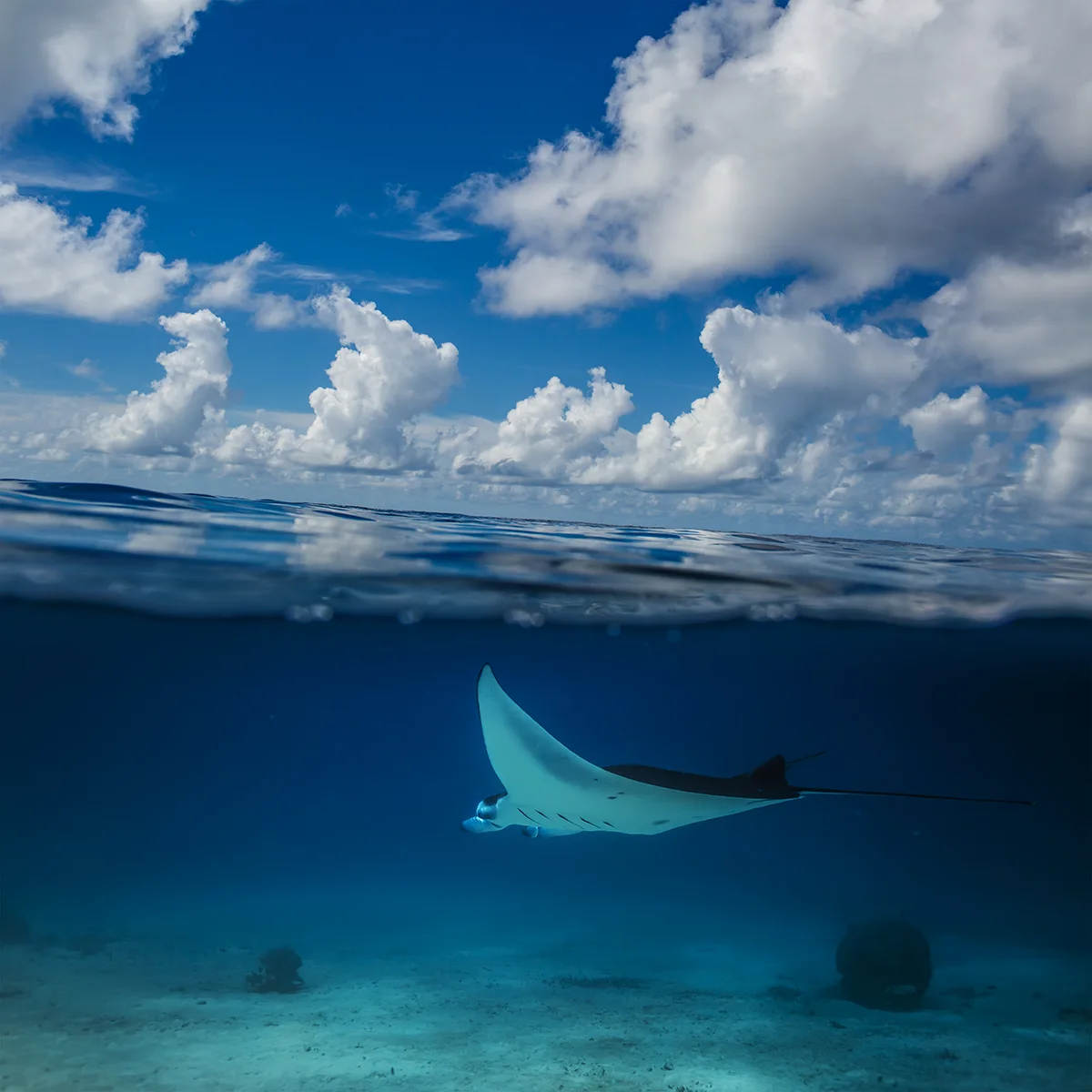
Manta Point Komodo, Meet The Manta Rays
Experience the magic of Manta Point Komodo—where graceful manta rays glide through healthy reefs. Plan your snorkel…
Read more →Komodo Snorkeling: 5 Best Spots to Explore Underwater
Discover the top Komodo snorkeling sites with vibrant coral, manta rays, and sea turtles. Plan your adventure with…
Read more →Best Snorkeling in Indonesia: 5 Must-Visit Spots
Discover the best snorkeling in Indonesia—from Raja Ampat to Komodo. Clear waters, vibrant reefs, and whale sharks…
Read more →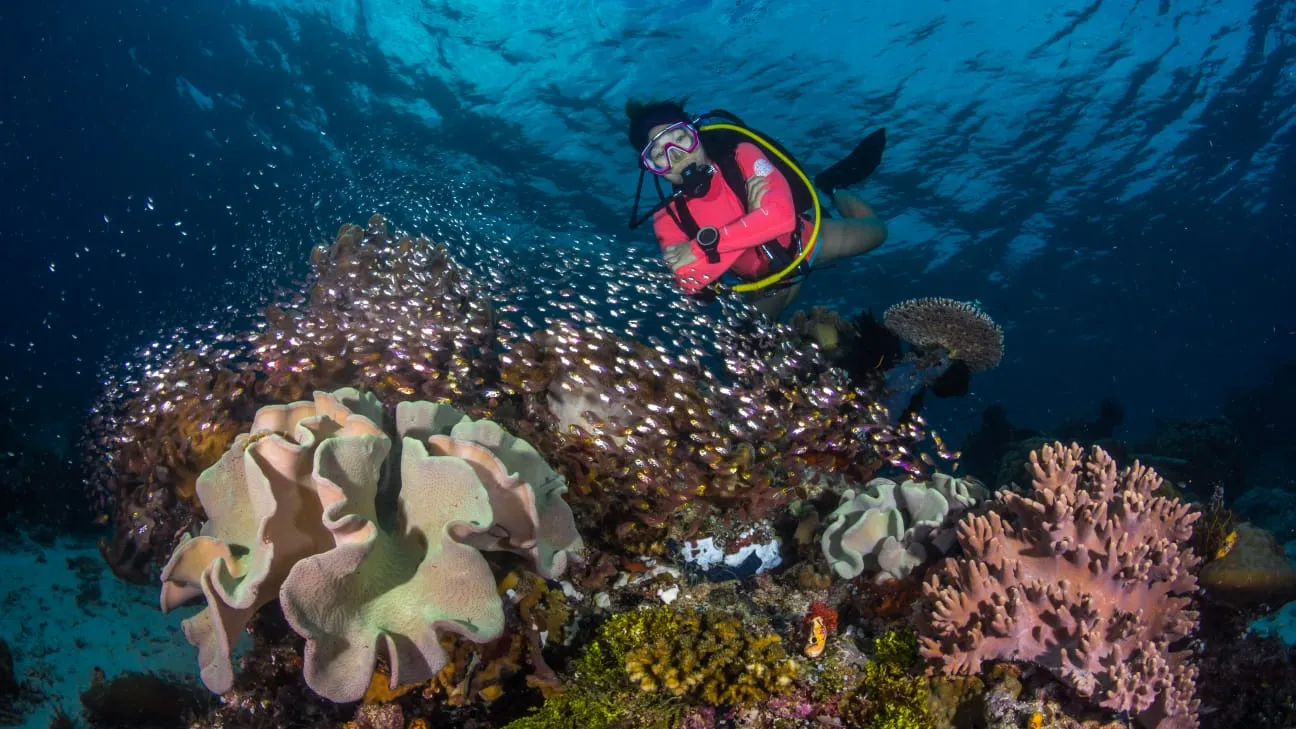
Raja Ampat Snorkeling: 6 Unforgettable Spots to Explore
Experience the best snorkeling in Raja Ampat with Boat Komodo Trip. Our expert guides will take you to the top 6…
Read more →