
The Origins of Phinisi
The history of Phinisi dates back to the 19th century, when wooden vessels from Indonesia were used to carry spices, textiles, and sandalwood. These early Phinisi were built by skilled boat builders in Sulawesi, who took years to craft each vessel by hand. Today, modern Phinisi yachts have evolved to cater to the needs of discerning travelers, offering luxurious amenities and cutting-edge technology while retaining the timeless charm of their ancestors.
The Evolution of Phinisi
Over the years, Phinisi has undergone significant changes to adapt to the demands of modern sailing. In the early 20th century, Phinisi vessels were used for mass transportation and cargo, but with the advent of motorized ships, many Phinisi were converted to motor versions, known as Perahu Layar Motor. However, some older Phinisi vessels have retained their traditional sails, making them a popular choice for leisure cruises.
Designing a Phinisi
A standard Phinisi ship is typically 20 to 35 meters long, with a smaller variant used for fishing. The newer model can reach up to 50 meters in length, accommodating up to 30 people. The design of Phinisi features two mats and seven to eight sails, which are tied tightly from the foremast to the bowsprit. The sails line up perfectly in the center, with a small triangle and a big rectangular sail on each mast.
Frequently Asked Questions
What is the history of Phinisi?
How has Phinisi changed over the years?
What is the design of a Phinisi?
Where can I experience sailing with an authentic Phinisi boat?
Related Blog Posts
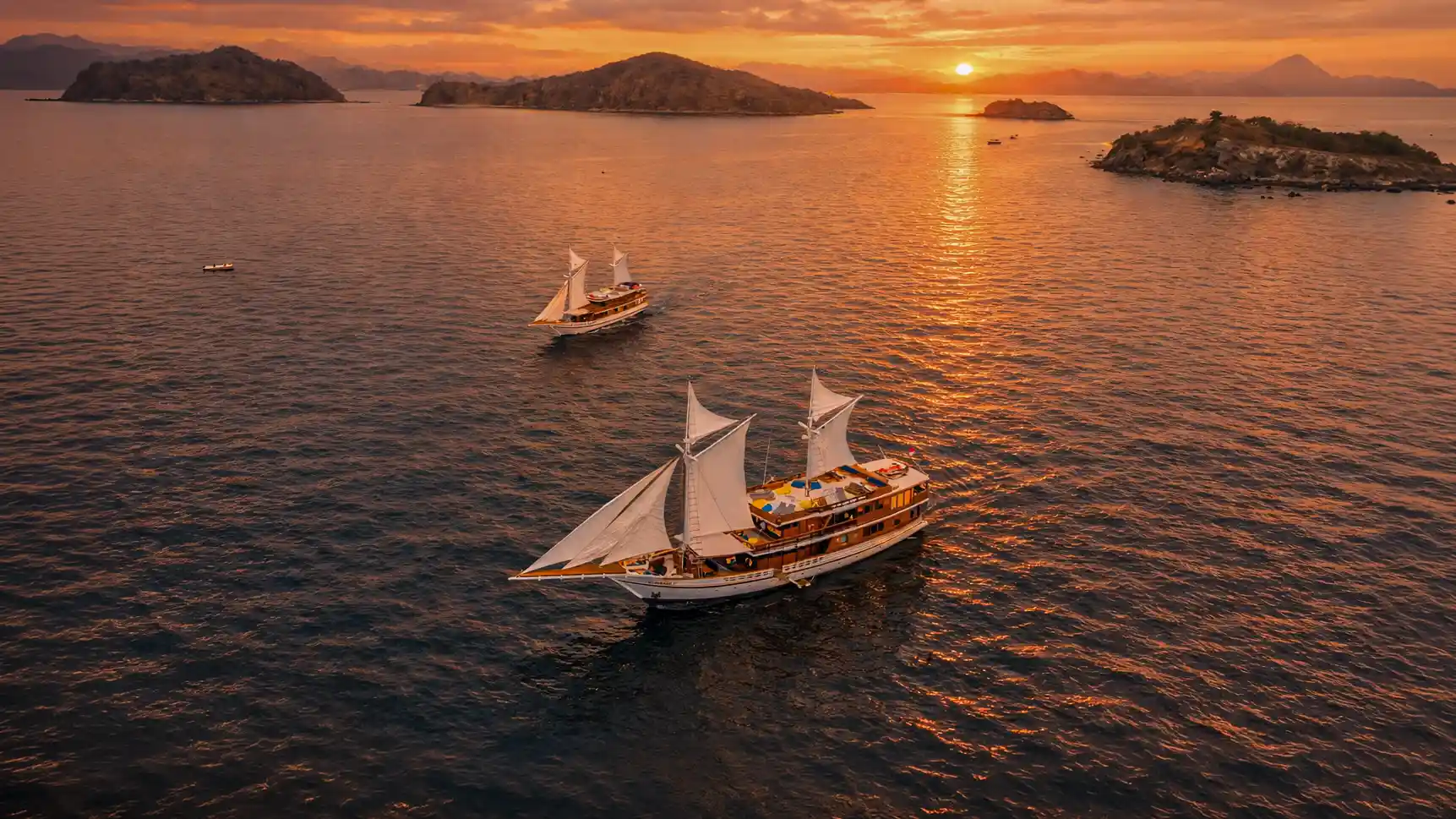
Phinisi: The Future of Luxury Maritime Travel
Discover authentic luxury yacht charter in Indonesia with Boat Komodo Trip and experience the future of luxury maritime…
Read more →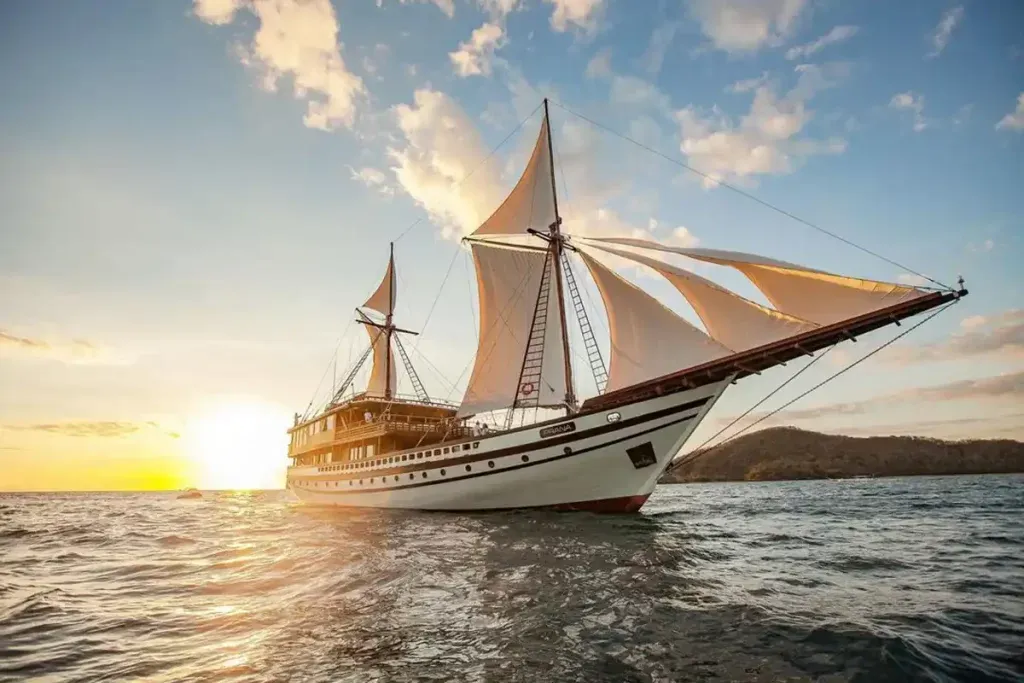
Phinisi Yacht Guide: Why Choose a Traditional Indonesian Phinisi for…
Discover the unique sailing experience of traditional Phinisi yachts in Indonesia. Read our expert guide to find the…
Read more →The Legend of the Komodo Dragon: A Cultural Odyssey
Discover the mystical tales and sacred guardians of Komodo Island with Boat Komodo Trip. Book via WhatsApp +62…
Read more →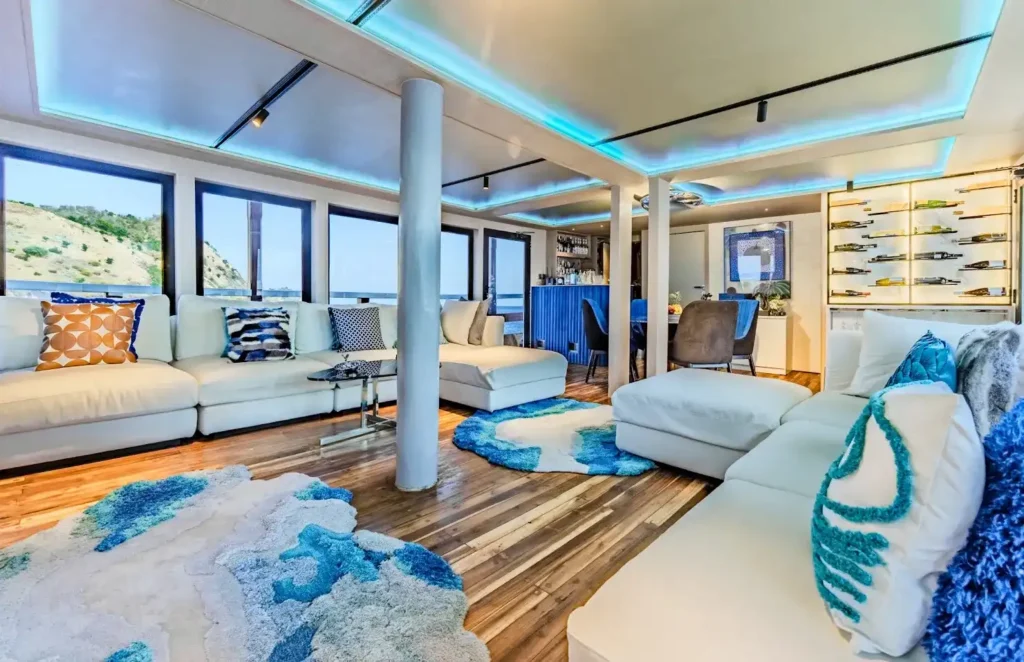
Traditional Phinisi Meets Modern Wellness on Kayra Phinisi Yacht
Experience the perfect blend of traditional Indonesian craftsmanship and modern wellness luxury on Kayra Phinisi Yacht.…
Read more →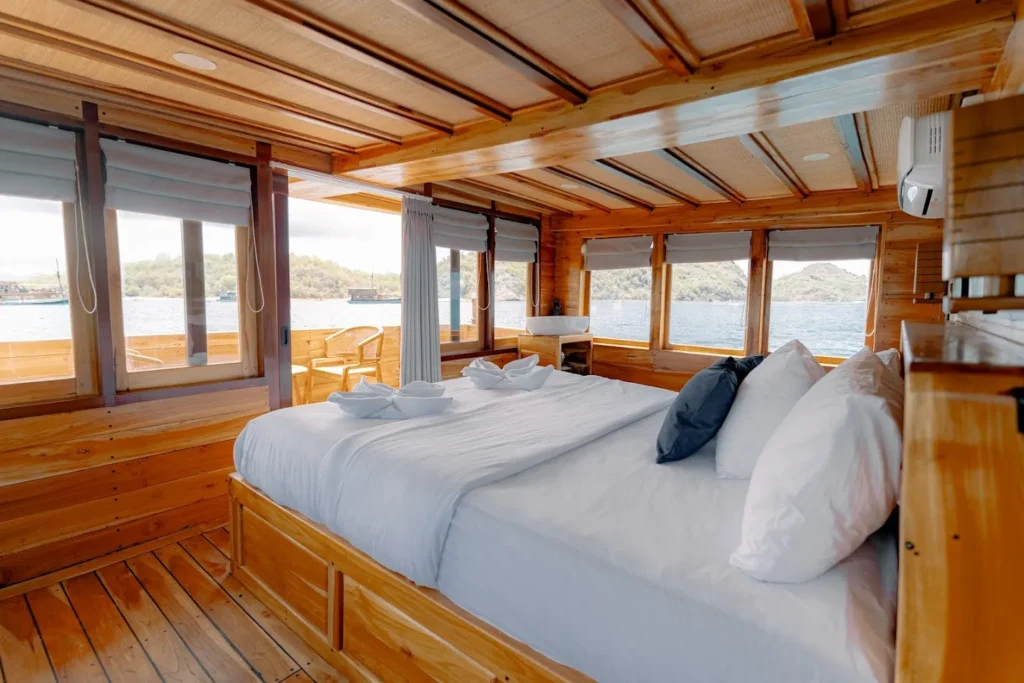
Barakati Phinisi Review: An Intimate Luxury Phinisi for Komodo Island…
Discover the Barakati Phinisi experience — private cabins, spacious decks, and seamless Komodo National Park…
Read more →