
The History of Komodo National Park
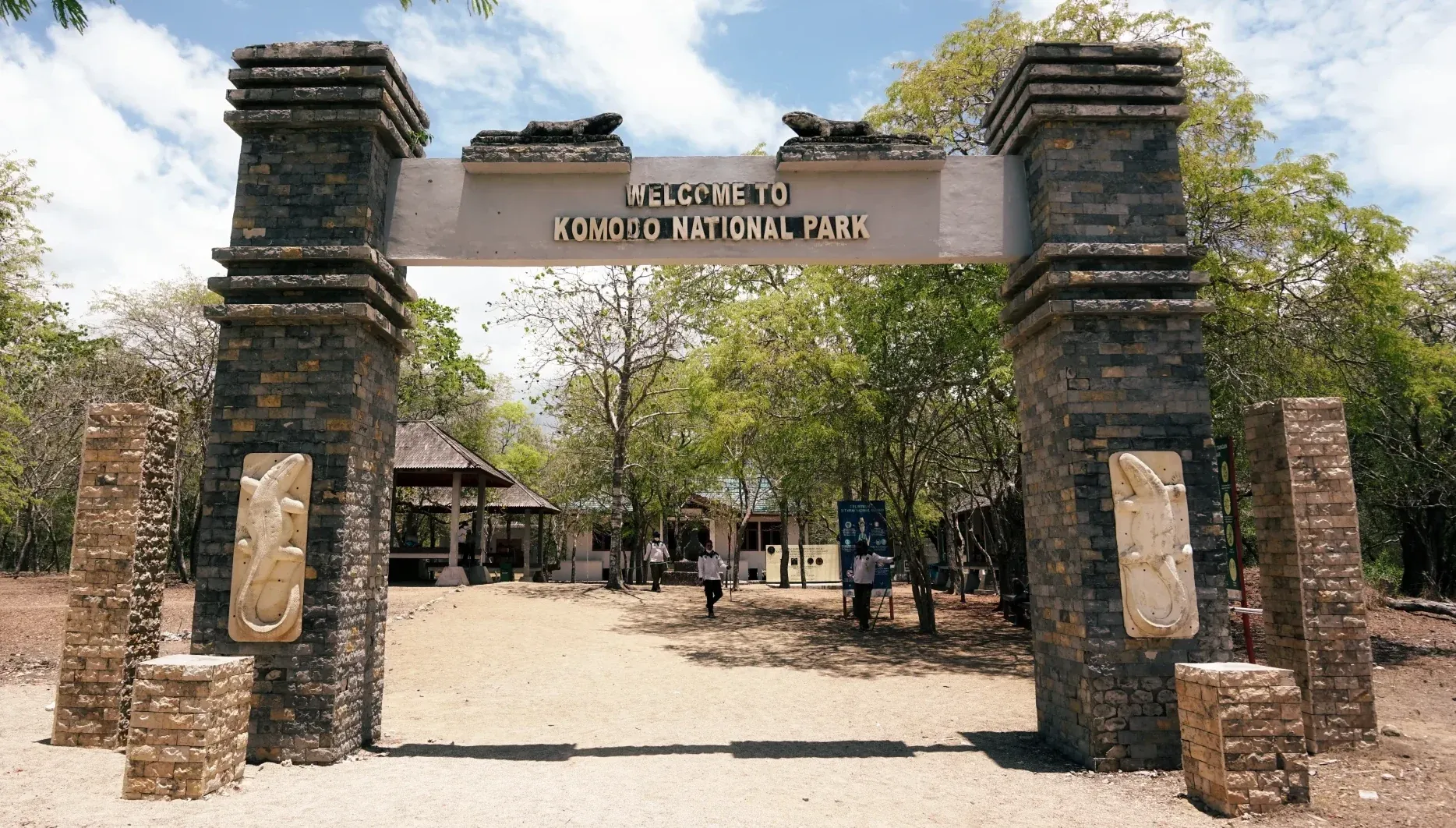
The story of Komodo National Park began in the early 20th century when the existence of the Komodo dragon first caught the world's attention. In 1910, Dutch colonial officer Lieutenant Steyn van Hensbroek led an expedition to Komodo Island after hearing local tales about 'giant lizards.' This discovery soon sparked deeper scientific interest. In 1912, zoologist Peter Ouwens published the first scientific description of the Komodo dragon, solidifying its place in biological research. This set the stage for initiatives to protect its habitat. Here's a timeline of the park's establishment: 1938: Portions of Komodo and Rinca Islands were declared nature reserves to protect the dragons and their ecosystem. | 1977: UNESCO designated the area as a Biosphere Reserve, recognizing its unique biodiversity. | 1980: Komodo National Park was officially established to safeguard the dragons and the entire ecosystem. | 1991: The park gained status as a UNESCO World Heritage Site, highlighting its global importance.
Komodo Dragon: The Icon of Komodo National Park
The Komodo dragon (Varanus komodoensis) is the star attraction of the park. These giant lizards can grow up to 3 meters (10 feet) long and weigh as much as 70 kilograms (150 pounds), making them the apex predators in their habitat. Unfortunately, their population is declining due to climate change and cannibalistic tendencies. Currently, the Komodo dragon population is estimated at 3,000–5,000 individuals, primarily found on Komodo Island and Rinca Island. This emphasizes the critical role of conservation efforts in the park. Fun facts about Komodo dragons: Their saliva contains toxic bacteria and venom that help subdue their prey. | They can smell carrion from as far as 5 kilometers (3 miles) away. | Komodo dragons are excellent swimmers, enabling them to travel between islands.
Gallery

Frequently Asked Questions
Where is Komodo National Park?
What is the history of Komodo National Park?
What is the current status of the Komodo dragon population?
What activities can be done in Komodo National Park?
Related Blog Posts

Why Is Komodo Island a UNESCO World Heritage Site?
Explore the wonders of Komodo Island and discover why it earned its UNESCO World Heritage status. Plan your dream trip…
Read more →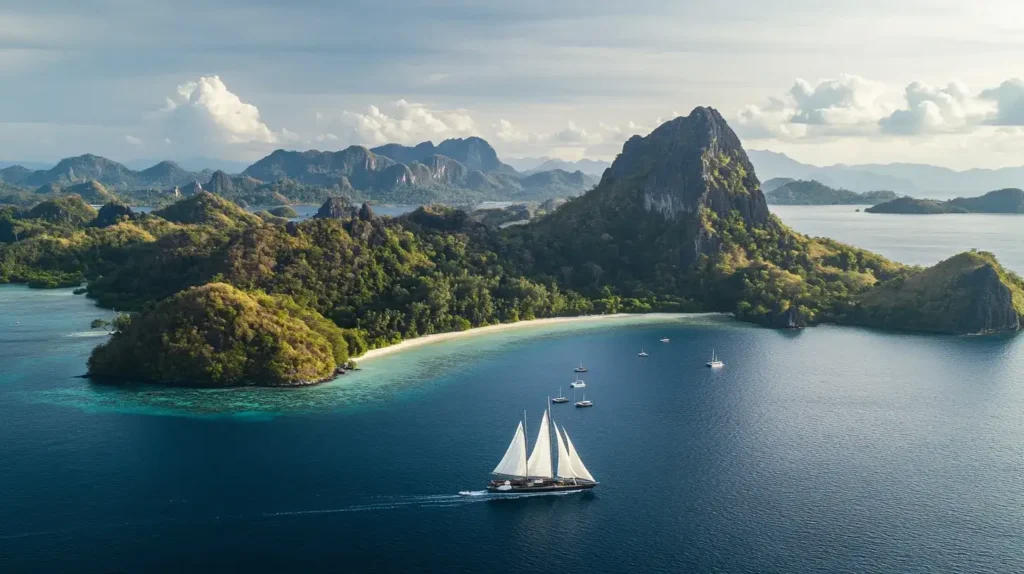
Komodo National Park: A Marvelous World Heritage Site
Explore the world's most beautiful place, Komodo National Park, and uncover its secrets, from Komodo dragons to pink…
Read more →Celebrating 44 Years of Komodo National Park Conservation
Celebrate the 44th Anniversary of Komodo National Park, a UNESCO World Heritage site famed for its Komodo dragons and…
Read more →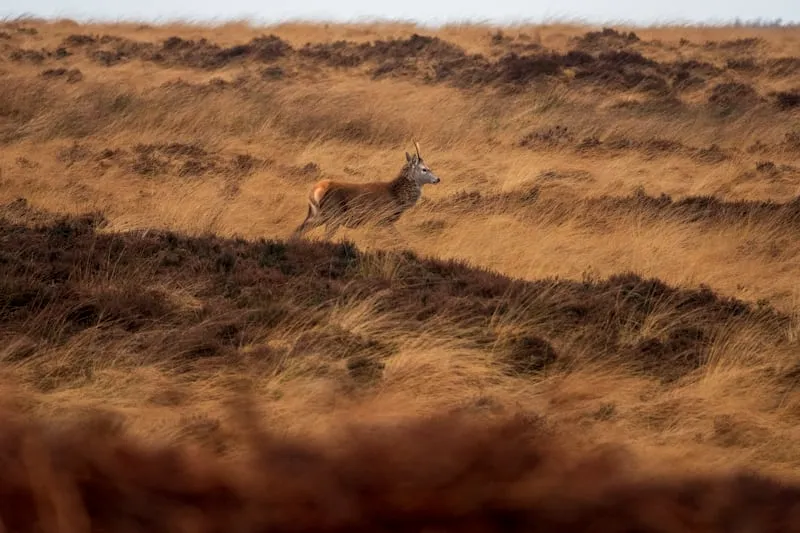
Wildlife Adventures: From UK's Wildlife Reserves to Komodo National…
Experience the thrill of adventure in the UK's wildlife reserves and Komodo National Park, a UNESCO World Heritage Site.
Read more →
Komodo National Park Activities
Discover the ultimate guide to Komodo National Park activities, from snorkeling and diving to trekking and cultural…
Read more →