
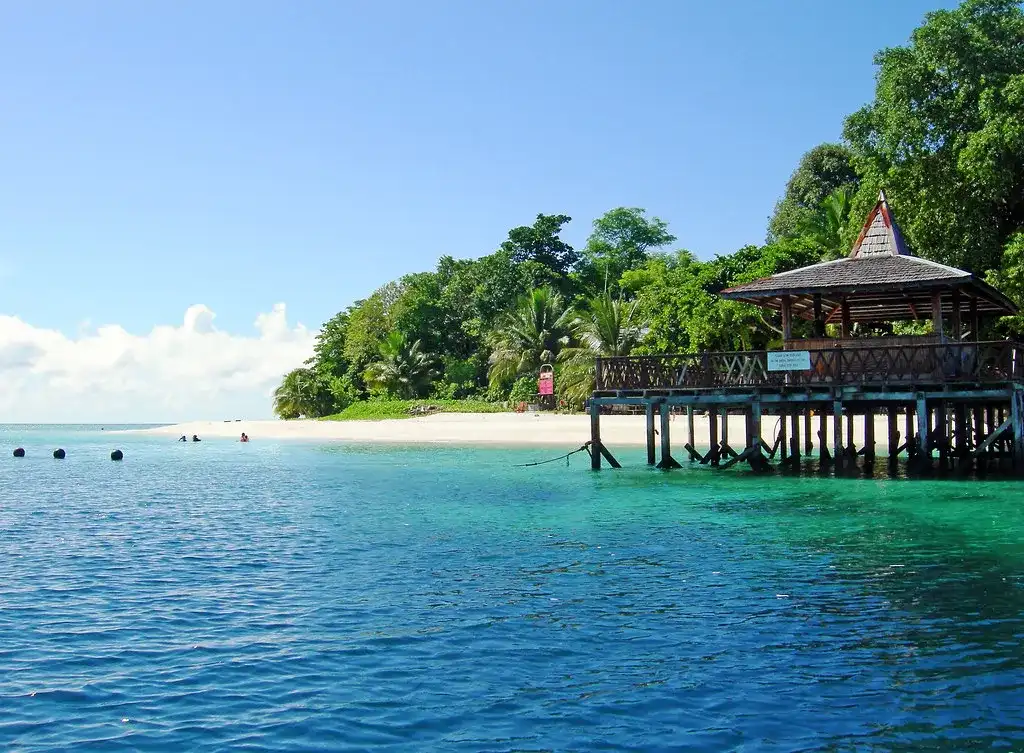
Sipadan Island, Malaysia: A World-Renowned Dive Mecca
Sipadan Island rises from the Celebes Sea off Sabah’s east coast, a volcanic spike encircled by some of the most celebrated dive sites on the planet. Protected within the Sipadan Marine Park, the island is off-limits for overnight stays, but its reputation draws divers from every continent. Access starts with a flight to Kota Kinabalu, followed by a boat transfer to nearby resorts on Mabul, Kapalai, or Mataking islands, which serve as launchpads for daily dive excursions.
The underwater landscape here is legendary. Vertical walls plunge into the abyss, draped in hard and soft corals, while schools of barracuda form shimmering cyclones at Barracuda Point. Turtle Cavern, a submerged cave system, hosts green and hawksbill turtles that rest on ledges like ancient sentinels. Reef sharks patrol the blue, and hammerheads occasionally pass in the distance. Visibility often exceeds 30 meters, though strong currents make these dives best suited for experienced divers.
Siaba Island, Indonesia: The lesser-known spot of Komodo
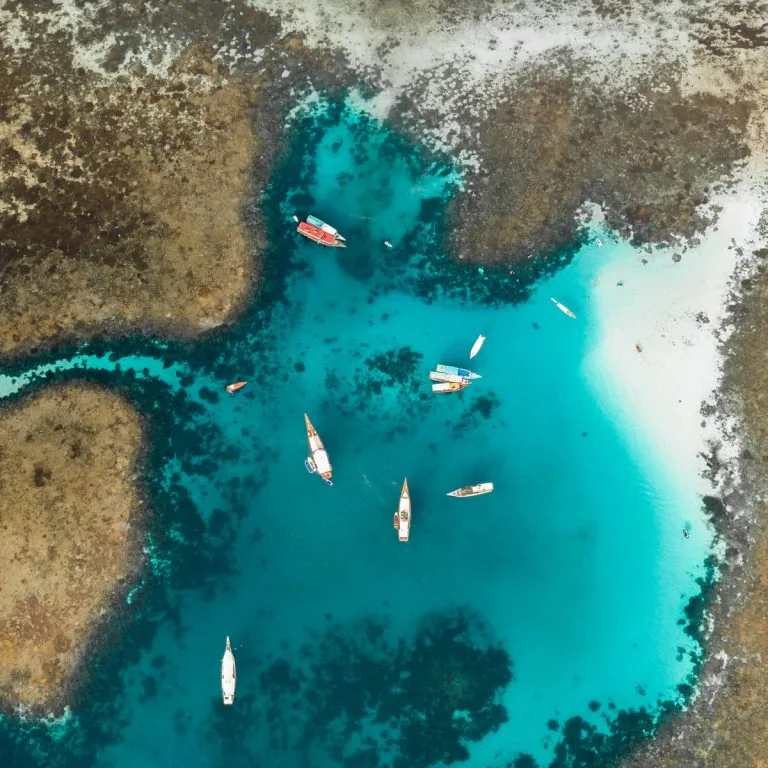
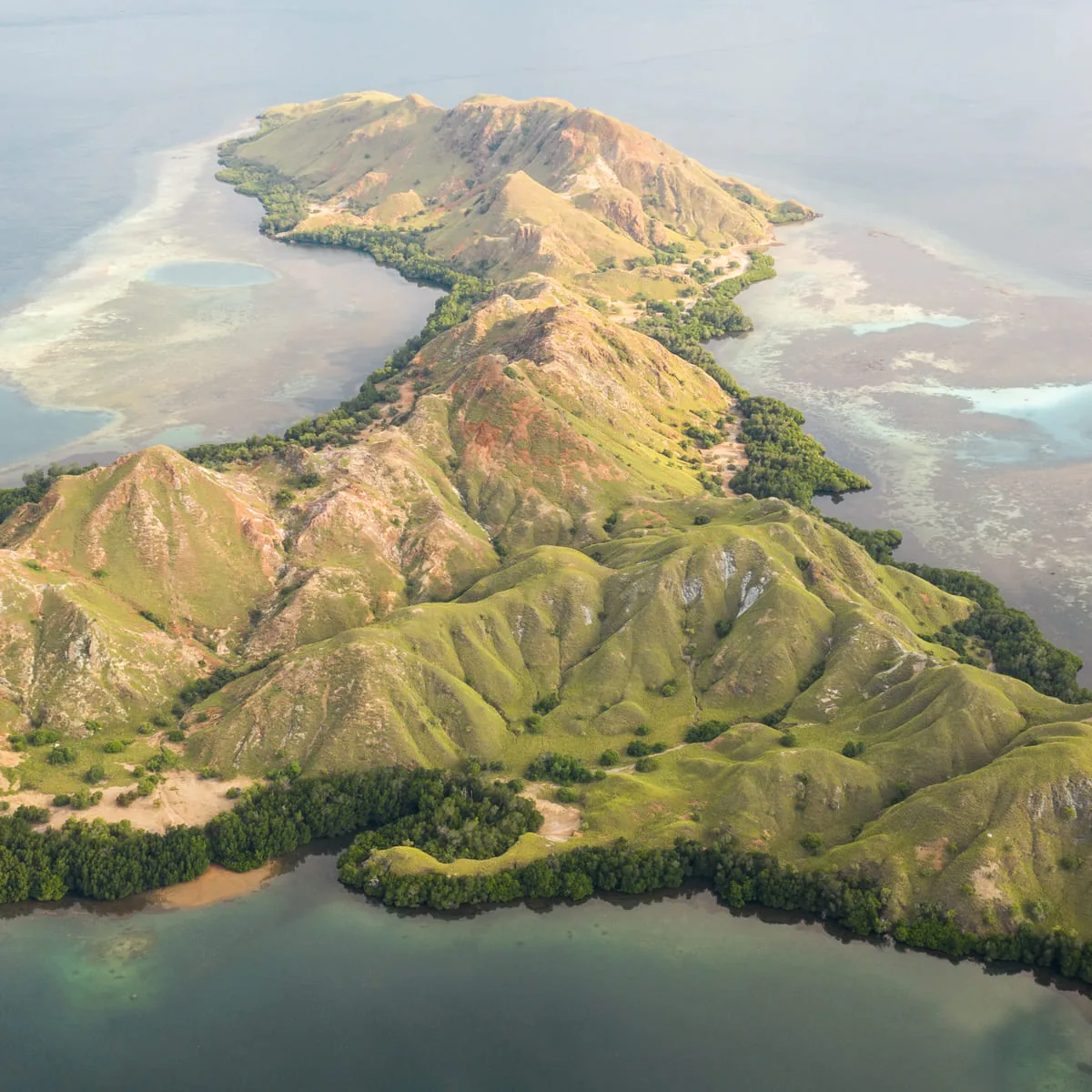
Just a sea journey from Labuan Bajo in East Nusa Tenggara, Siaba Island lies within the UNESCO-listed Komodo National Park. Unlike Sipadan, Siaba allows overnight access via liveaboard boats and nearby resorts, offering a more immersive experience. Known as the "City of Turtles," it’s common to see green turtles gliding through the coral gardens of Siaba Besar or resting on the sandy bottom at Siaba Kecil.
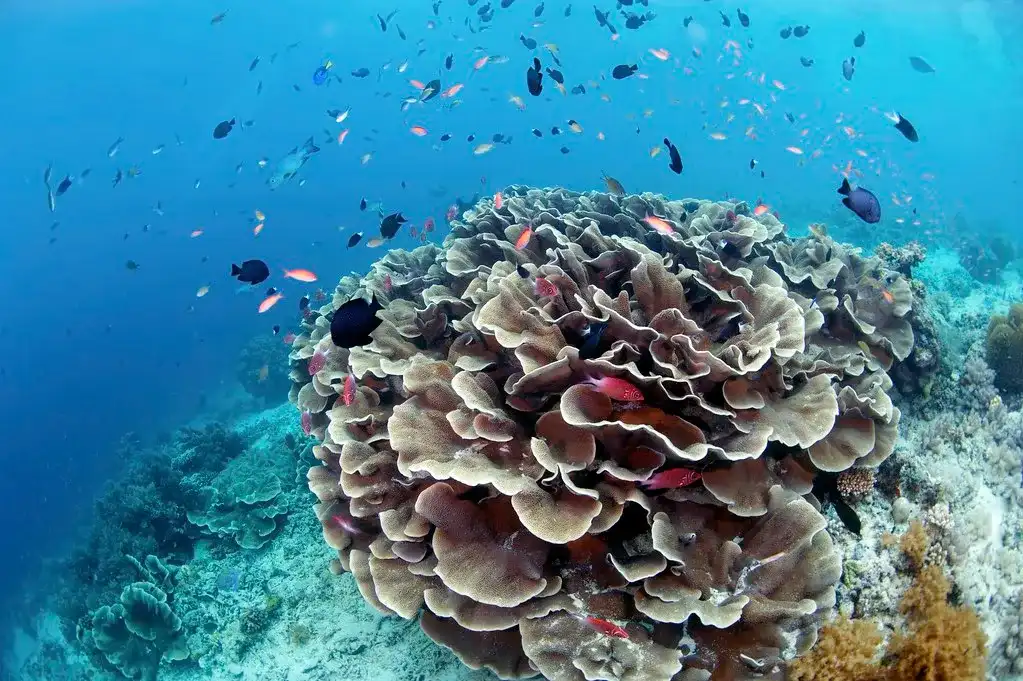
The island’s reefs are vibrant and teeming—manta rays cruise along cleaning stations, reef sharks dart through crevices, and the elusive dugong is occasionally spotted in the seagrass beds. Currents are generally mild, making it ideal for divers of all levels. Night dives here reveal a different world: octopuses hunting, lobsters on the move, and turtles asleep in crevices. With fewer crowds and a wilder feel, Siaba delivers intimacy and exclusivity.
Why Siaba Stands Out for Divers
While Sipadan’s fame is well-earned, Siaba offers something rarer: a sense of discovery. Its location within Komodo National Park means divers can combine visits to Manta Point, Batu Bolong, and other world-class sites in a single trip. The area’s conservation focus keeps ecosystems healthy and visitor numbers manageable.
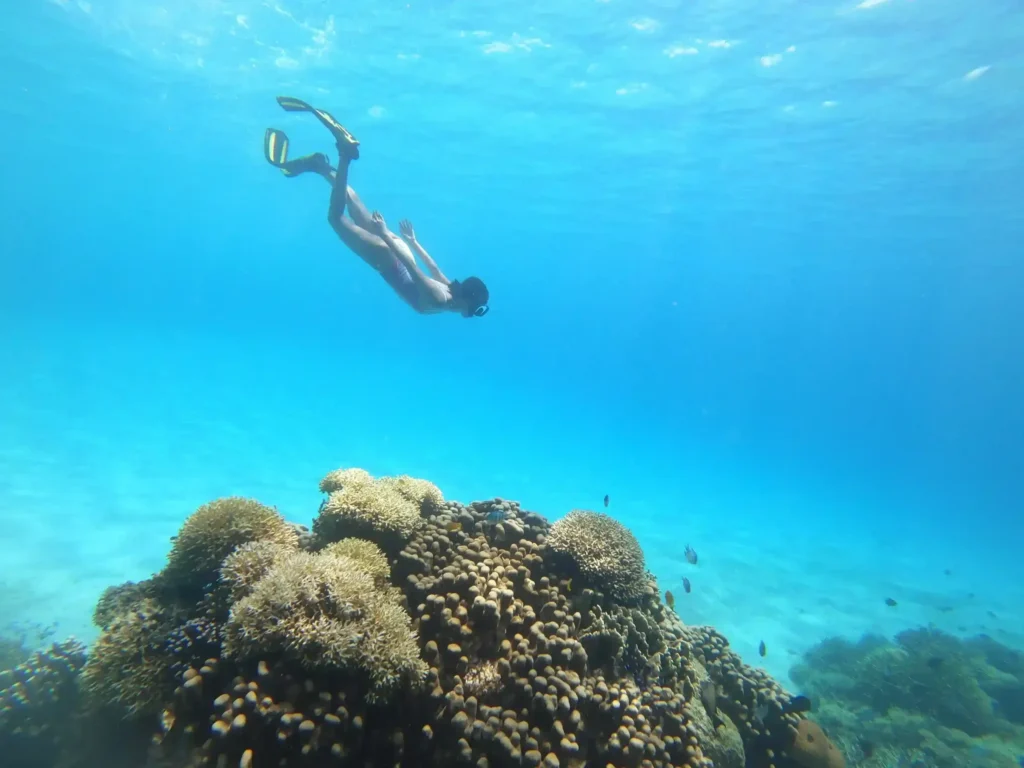
Snorkelers also find their match here—shallow reefs buzz with life, and calm conditions make it easy to float above turtle congregations. For those on liveaboard journeys, staying aboard vessels like those from Boat Komodo Trip means waking up at a new dive site each day, with full gear support and expert guides. It’s not just about diving—it’s about exploring a dynamic marine province where every drop holds a surprise.
Gallery
Frequently Asked Questions
Where is Sipadan Island located?
Can you stay overnight on Sipadan Island?
What makes Siaba Island special for divers?
Is Siaba Island suitable for beginner divers?
Related Blog Posts
How to Travel to Siaba Island, Labuan Bajo: A Travel Guide
Learn how to travel to Siaba Island, a snorkeler's and diver's paradise, and experience the beauty of green sea turtles…
Read more →
Kinabalu and Komodo National Parks: Wild Asia Adventures
Compare Kinabalu and Komodo National Parks for trekking, wildlife, and diving. Discover which Southeast Asia gem suits…
Read more →Raja Ampat vs Palawan: Which Southeast Asian Paradise Should You…
Explore Raja Ampat vs Palawan and find your ideal Southeast Asian paradise. Enjoy marine wonders and luxury experiences…
Read more →
Best Places to Visit in Asia 2025: Top Destinations by Boat Komodo…
Discover the best places to visit in Asia in 2025, from Komodo to Kyoto. Plan your journey with Boat Komodo Trip and…
Read more →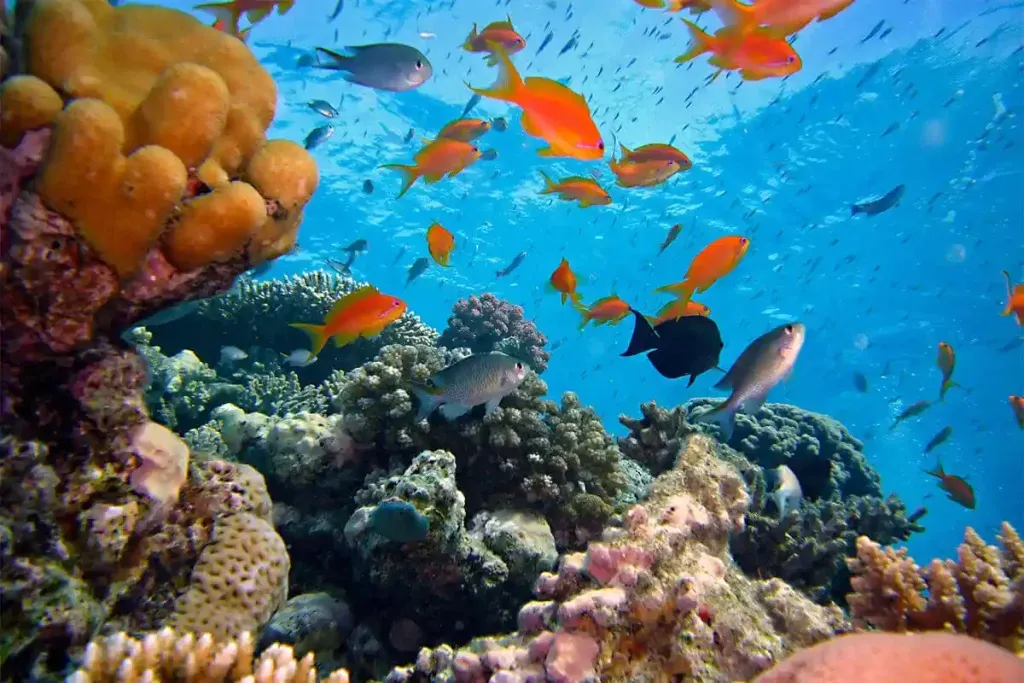
Komodo Island Diving: Explore the Best Dive Spot in Komodo
Discover the best dive spot in Komodo Island, Indonesia, with crystal-clear waters and an incredible array of marine…
Read more →