
What Makes a UNESCO Biosphere Reserve Unique?
A UNESCO Biosphere Reserve is a specially designated area that promotes a balanced relationship between people and nature. These reserves are part of the Man and the Biosphere (MAB) Programme, which seeks to combine biodiversity conservation with sustainable use of natural resources. They serve as models for how humans can live in harmony with the environment while supporting local livelihoods. As of September 2025, UNESCO has added 26 new sites, including Raja Ampat, bringing the global network to 785 reserves in 142 countries.
The Role of Raja Ampat Biosphere Reserve
Understanding the role of Raja Ampat as a UNESCO Biosphere Reserve goes beyond appreciating its stunning landscapes and rich biodiversity. It's about recognizing the structured efforts that maintain this delicate balance between nature and human activity. The reserve serves as a platform where conservation, sustainable development, and knowledge exchange come together to ensure that both ecosystems and local communities can thrive.
Frequently Asked Questions
What is a UNESCO Biosphere Reserve?
How does Raja Ampat's conservation efforts work?
What is the significance of sustainable development in Raja Ampat?
Related Blog Posts
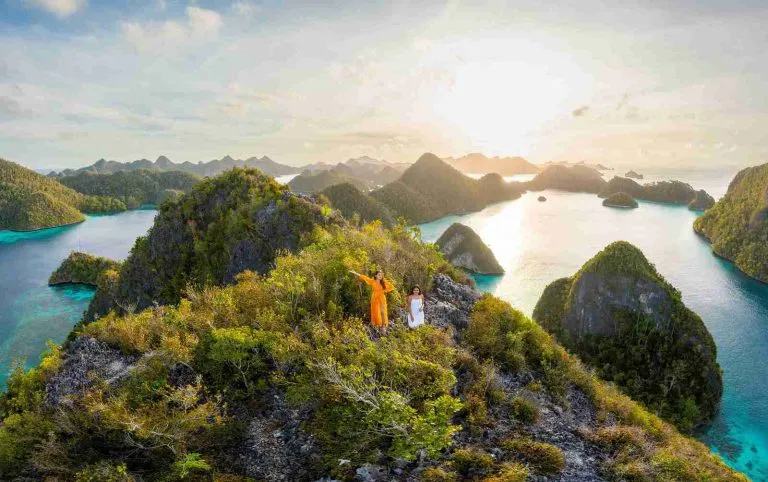
How to Become an Ecotourist in Raja Ampat
Discover how to travel responsibly in Raja Ampat. Follow these practical steps to protect its ecosystems and support…
Read more →
Why Is Komodo Island a UNESCO World Heritage Site?
Explore the wonders of Komodo Island and discover why it earned its UNESCO World Heritage status. Plan your dream trip…
Read more →
Private Cruise Raja Ampat: Your Exclusive Escape in Indonesia's…
Discover luxury private cruises in Raja Ampat with Boat Komodo Trip. Sail Indonesia's marine paradise in comfort and…
Read more →Friwen Island Raja Ampat: A Secluded Paradise Worth Exploring
Discover Friwen Island in Raja Ampat—pristine reefs, quiet beaches, and authentic encounters. Plan your eco-conscious…
Read more →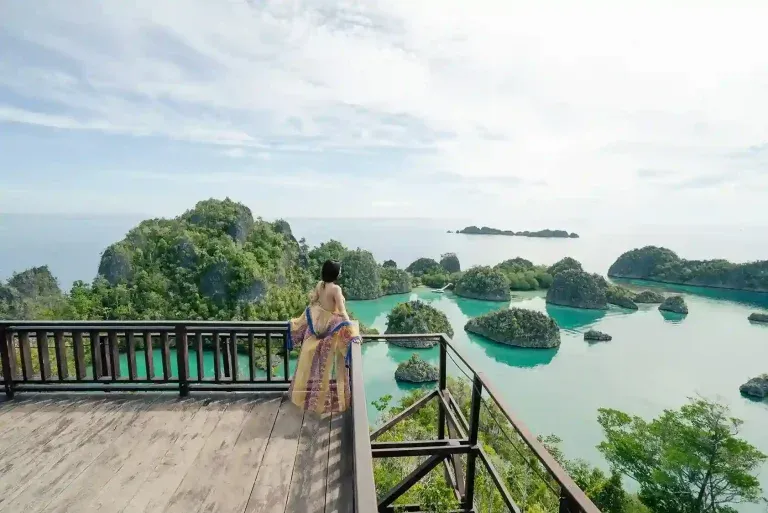
Komodo to Raja Ampat: Your Adventure Awaits
Discover how to travel from Komodo to Raja Ampat, explore marine wonders, and choose the best liveaboard tour for your…
Read more →