
What Defines an Ecotourist?
An ecotourist is someone who travels to natural areas with intention: to respect ecosystems, honor local cultures, and contribute to community well-being. It’s not just about seeing pristine landscapes, but ensuring those places remain intact for future generations. This mindset shifts travel from passive observation to active stewardship, where every choice—from waste to wildlife interaction—supports conservation.

7 Ways to Practice Ecotourism in Raja Ampat
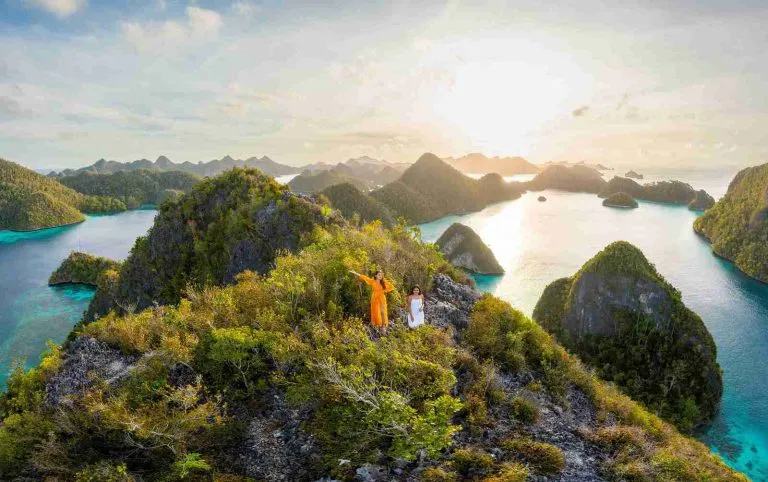
Raja Ampat sits at the heart of the Coral Triangle, hosting more marine species per square meter than anywhere else on Earth. Its reefs, forests, and coastal villages are deeply interconnected. To visit responsibly, consider these seven actionable steps that define true ecotourism.
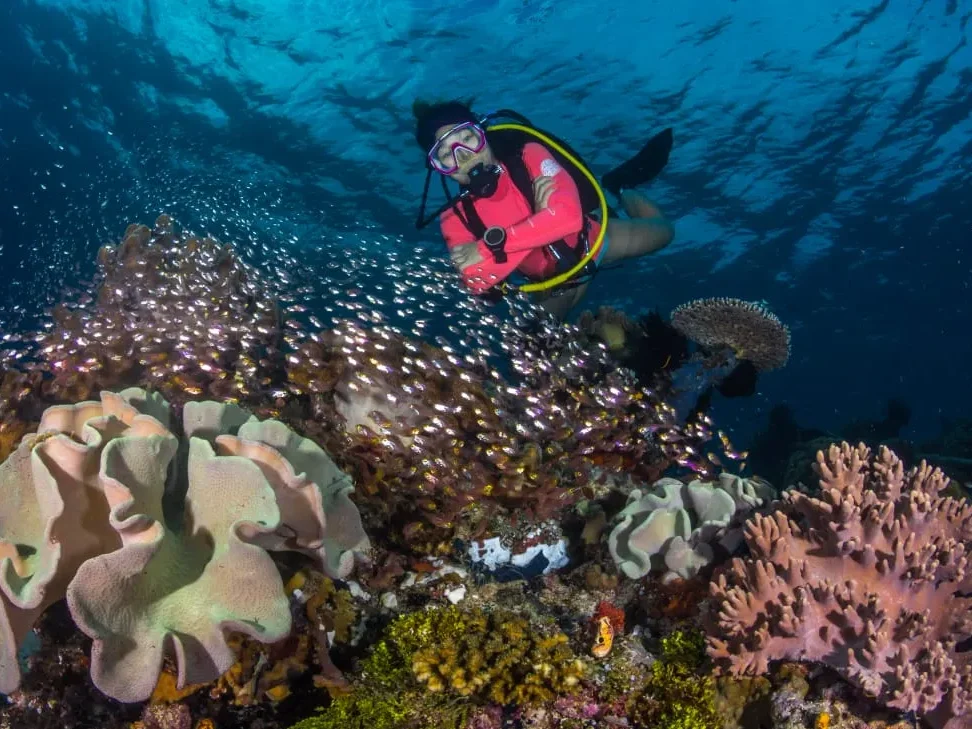
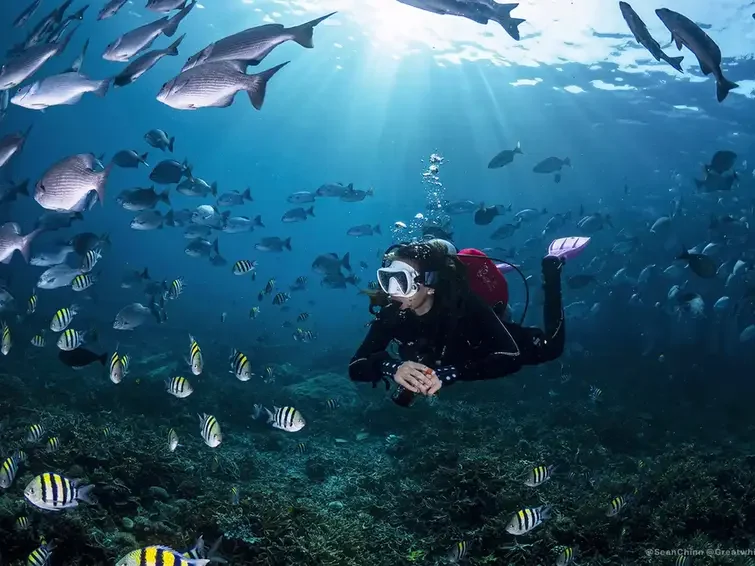
First, choose low-impact activities. Snorkeling, diving, and birdwatching let you engage with nature without disrupting it—but only if done mindfully. Avoid touching coral or chasing marine life, and never step on reefs, even in shallow water.
Second, observe wildlife with restraint. Species like manta rays, sea turtles, and reef sharks are protected here. Keep a respectful distance, stay calm in the water, and never attempt to feed or ride animals. On land, avoid disturbing nesting birds or native reptiles.
Travel Habits That Make a Difference
Small choices add up. Bring a reusable water bottle to cut down on plastic waste—single-use bottles are a major pollutant in remote island regions. Many liveaboards, including those operated by Boat Komodo Trip, provide filtered water refills to support this habit.
Use reef-safe toiletries. Liquid shampoos and soaps often contain chemicals that harm coral when they wash off your skin. Solid bars with minimal or biodegradable packaging are a smarter alternative. Likewise, apply sunscreen without oxybenzone or octinoxate—these ingredients contribute to coral bleaching and are banned in several marine parks worldwide.
Follow local rules strictly. All visitors must purchase an Environmental Services Maintenance Service (LPJL) card to enter Raja Ampat. This fee funds conservation and community programs. Respect no-take zones, avoid spearfishing, and never remove shells, coral, or rocks as souvenirs.
Support local economies by buying from village artisans, eating at community-run warungs, or hiring local guides. This direct spending keeps value within the region and encourages sustainable livelihoods.
Finally, choose a tour operator committed to ethics over expediency. Look for operators who partner with villages, limit group sizes, and train crews in marine protection. Boat Komodo Trip, with over nine years of experience, runs private liveaboards that align with these values, working hand-in-hand with communities to ensure trips benefit both people and nature.
Gallery



Frequently Asked Questions
What does it mean to be an ecotourist?
Why is Raja Ampat considered a top ecotourism destination?
Do I need a permit to visit Raja Ampat?
How can I reduce my environmental impact while traveling there?
Related Blog Posts
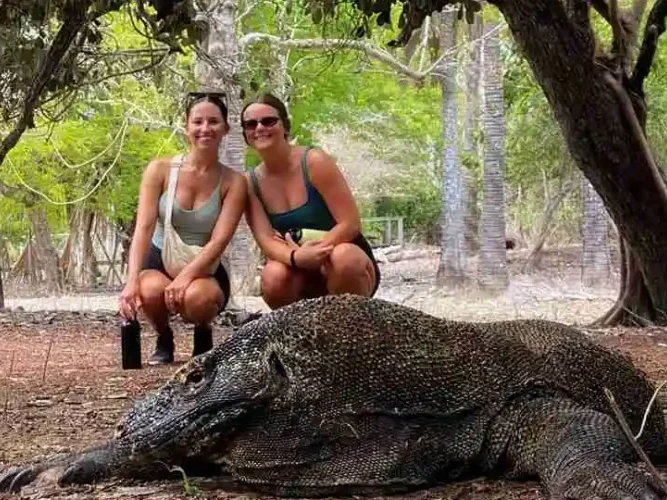
How to Become an Ecotourist in Komodo National Park
Learn how to visit Komodo National Park responsibly and minimize your environmental impact with our guide on ecotourism…
Read more →
13 Ways to Become an Ecotourist: Tips for a Sustainable Trip
Learn how to become an ecotourist and make a positive impact on the environment with these 13 essential tips. Book via…
Read more →
How to Get to Raja Ampat – Your Ultimate Guide
Discover the best ways to reach Raja Ampat, from flights to boat transfers, and plan your trip with our expert travel…
Read more →
Komodo to Raja Ampat: Your Adventure Awaits
Discover how to travel from Komodo to Raja Ampat, explore marine wonders, and choose the best liveaboard tour for your…
Read more →How to Get to Raja Ampat from the UK 2026
Plan your 2026 trip from the UK to Raja Ampat with flight routes, boat transfers, and entry permit details. Book a…
Read more →