
Why Lenmakana's Jellyfish Lost Their Stingers
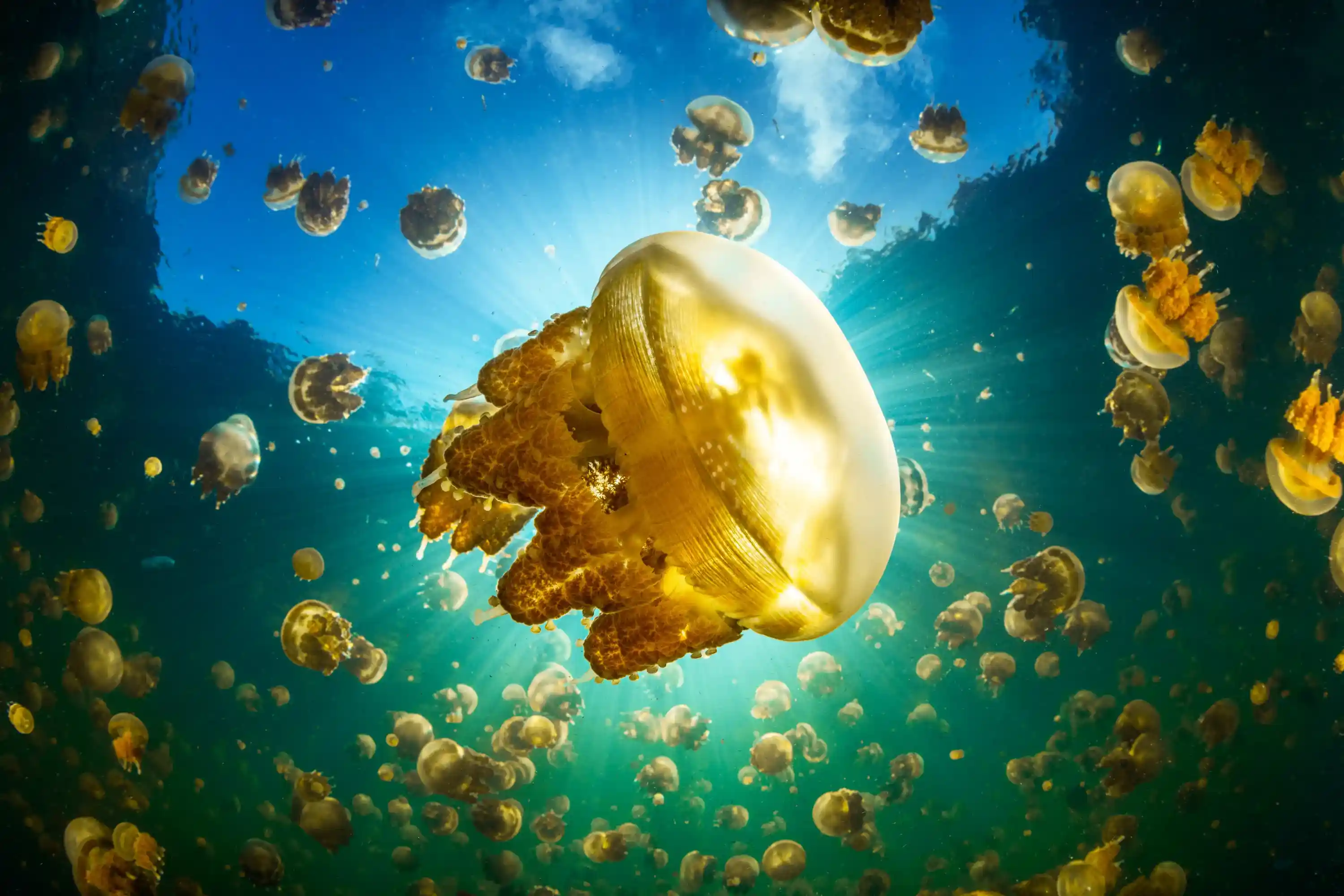
The stingless jellyfish in Lenmakana Lake represent a fascinating case of natural evolution over thousands of years. Isolated in this enclosed lake environment, these creatures adapted to a safe habitat without natural predators. Without the evolutionary pressure to defend themselves, the jellyfish gradually lost their ability to sting—a remarkable adaptation that makes them completely harmless to human swimmers. This unique biological phenomenon occurs in only a handful of locations worldwide.
The Thrill of Swimming with Harmless Jellyfish
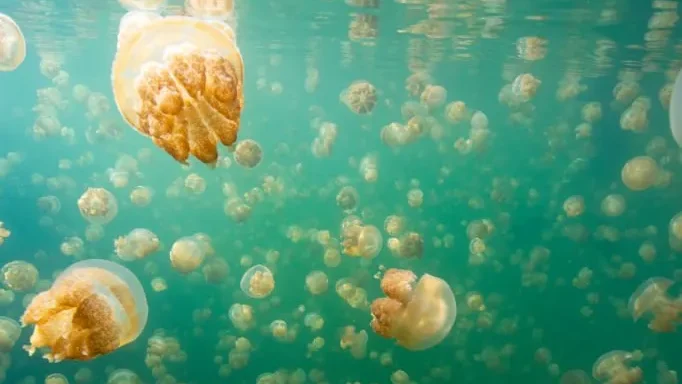
Upon entering Lenmakana Lake, you'll immediately notice its crystal-clear waters, which allow you to witness hundreds of jellyfish—ranging from small to medium sizes—moving gracefully in every direction. The sensation of these creatures swimming around you creates an almost ethereal experience, as if you're part of their underwater dance. Though completely harmless, it's essential to treat these jellyfish with respect, avoiding rough handling or removing them from their natural habitat to preserve the lake's delicate ecosystem.
Essential Tips for Your Jellyfish Lake Visit
When preparing for your Lenmakana experience, remember these important guidelines: avoid touching or lifting the jellyfish, as even harmless contact can stress them; use reef-safe sunscreen to protect both your skin and the lake's fragile ecosystem; swim calmly to prevent startling the jellyfish and maintaining water clarity; and always follow your local guide's instructions, who understands the lake's conditions best and can ensure you have both a safe and memorable encounter.
Planning Your Journey to Lenmakana
Reaching this remote paradise requires careful planning. Most travelers begin by flying to Domine Eduard Osok Airport in Sorong, Raja Ampat's main gateway. From there, a ferry (typically 2-3 hours) takes you to Waisai, the capital on Waigeo Island. Next, you'll transfer to Misool, often via speedboat or as part of a liveaboard itinerary. Finally, a local boat transports you to Lenmakana Jellyfish Lake. For the most seamless experience, consider booking a Raja Ampat liveaboard package that includes this destination as part of a comprehensive itinerary.
Gallery
Frequently Asked Questions
Are the jellyfish in Lenmakana Lake really safe to swim with?
Do I need to be an experienced swimmer to enjoy the lake?
When is the best time to visit Lenmakana Jellyfish Lake?
How long does the jellyfish lake experience typically last?
Are there other similar jellyfish lakes in Indonesia?
Related Blog Posts
Komodo to Raja Ampat: Your Adventure Awaits
Discover how to travel from Komodo to Raja Ampat, explore marine wonders, and choose the best liveaboard tour for your…
Read more →Wayag Island: Discover the lesser-known spot of Raja Ampat
Explore Wayag Island in Raja Ampat, Indonesia, and discover its unique karst islands, crystal-clear waters, and vibrant…
Read more →Tips for Swimming Safely at Pink Beach Komodo
Discover essential tips for swimming safely at Pink Beach Komodo. Learn how to enjoy the crystal-clear waters while…
Read more →
Indonesia's Lesser-Known Spots: Sailing Komodo and Raja Ampat with…
Discover the ultimate sailing experience in Indonesia's Komodo and Raja Ampat. Enjoy crystal-clear waters, pristine…
Read more →Is Wayag Worth It? Discover the lesser-known spot of Raja Ampat
Is Wayag worth visiting? Learn why this remote island in Raja Ampat is a must-see destination in Indonesia, and how to…
Read more →