
The Discovery of the Komodo Dragon
The Komodo dragon was first discovered in the early 20th century, with Lieutenant Steyn van Hensbroek spotting an adult specimen in 1910. He sent the skin to Peter Ouwens, the director of the Bogor Zoology Museum, who published the discovery in 1912 and named it Varanus komodoensis. Since then, the Komodo dragon has drawn global attention and was even dubbed 'the last dinosaur' by the media. Adult Komodo dragons can reach a maximum length of 3 meters (10 feet) and weigh up to 150 kg (330 lb), making them an awe-inspiring sight.
Taxonomy & Scientific Name: Where Does the Komodo Dragon Fit?
The Komodo dragon belongs to the Varanidae family (monitor lizards), with close relatives like the Asian and Australian monitor lizards. Its scientific name, Varanus komodoensis, was given by Ouwens in honor of Komodo Island. These reptiles possess wide, flat heads, rounded snouts, and muscular tails, which contribute to their distinctive appearance. However, its taxonomy was once a subject of debate. In the 1920s, scientists thought that the Komodo dragon was a subspecies of the extinct Australian giant lizard Megalania prisca, which went extinct about 50,000 years ago. However, DNA analysis has proven that the two are different, despite sharing a common ancestor.
Pricing
Rates as published on our legacy listing. Contact us for current availability, seasonal rates, and private-charter offers.
| Category | Price |
|---|---|
| What are 5 Interesting Facts About Komodo Dragons? High | rp |
Frequently Asked Questions
What is the scientific name of the Komodo dragon?
How long have Komodo dragons been living on the Indonesian islands?
Are Komodo dragons related to dinosaurs?
What is the cultural significance of the Komodo dragon?
Are Komodo dragons good swimmers?
Related Blog Posts
Komodo Dragon 2026: History, Habitat, Fact & How to See Them Safely
Discover the fascinating history, unique characteristics, and conservation status of the Komodo dragon. Learn how to…
Read more →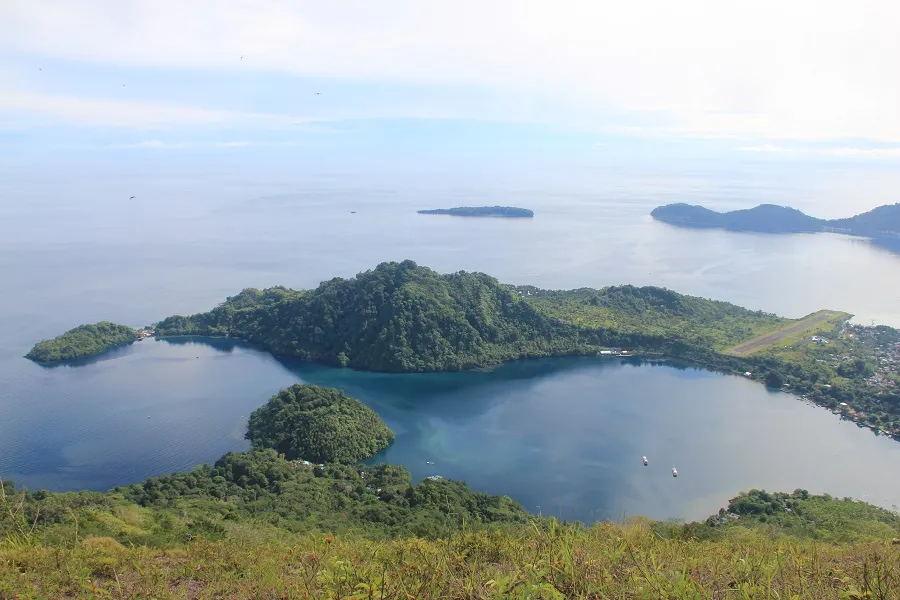
Spice Islands Indonesia: A Destination of History, Beauty & Adventure
Explore Spice Islands Indonesia, where rich history, nature, and exciting adventures await. Discover heritage and…
Read more →Komodo Dragon vs Megalania: Ancient Lizards Face-Off
Discover the fascinating comparison between the Komodo dragon and Megalania, an extinct giant lizard. Join a tour to…
Read more →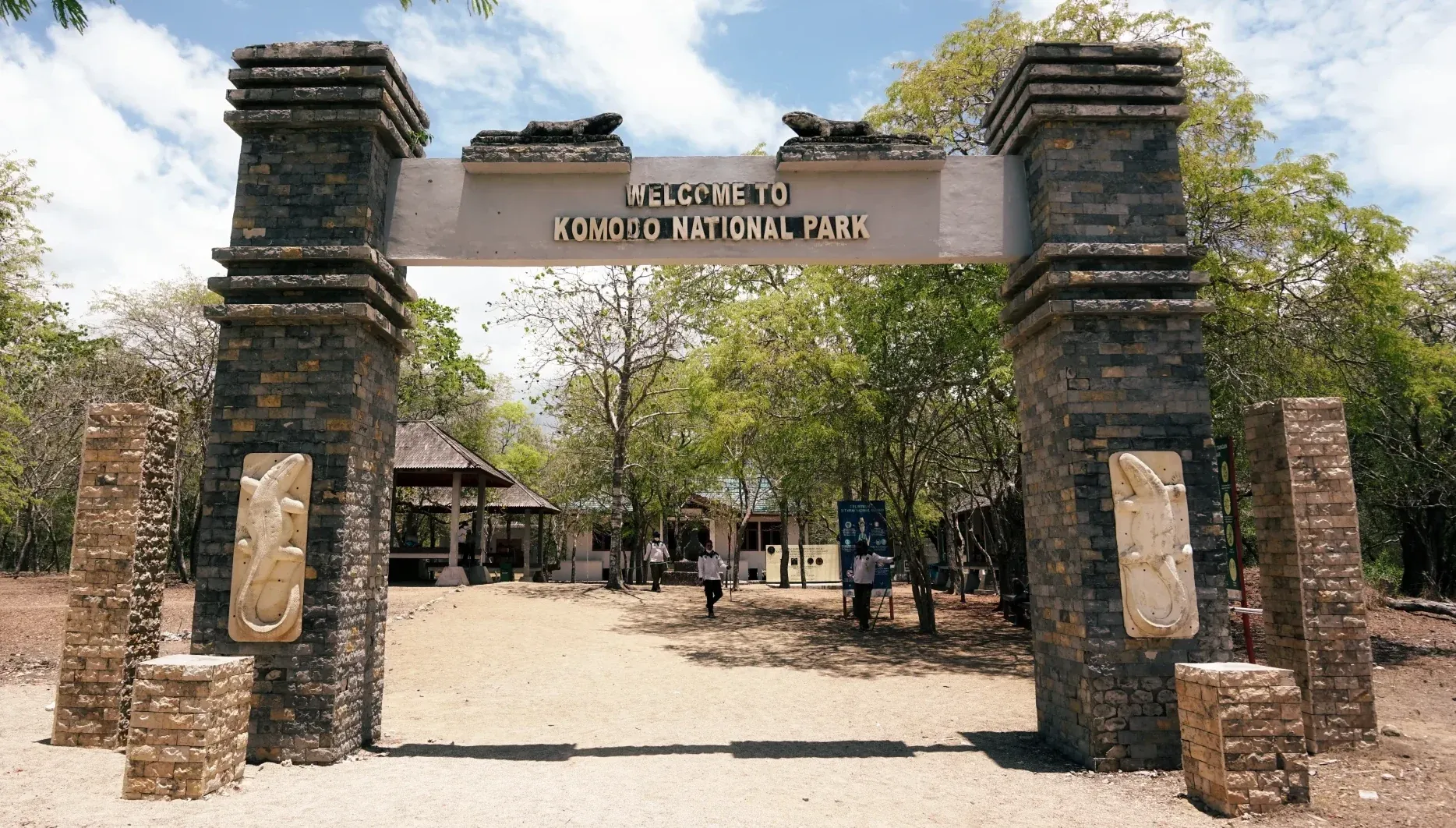
The History of Komodo National Park: A Natural Wonder and UNESCO…
Explore the breathtaking Komodo National Park, a UNESCO World Heritage Site, and discover its unique ecosystems, top…
Read more →Komodo Dragon vs Human: A Fierce but Rare Encounter
Discover the fascinating relationship between Komodo Dragons and humans on Komodo Island. Learn about the history,…
Read more →