
Natural Beauty on Jeju Island and Komodo National Park
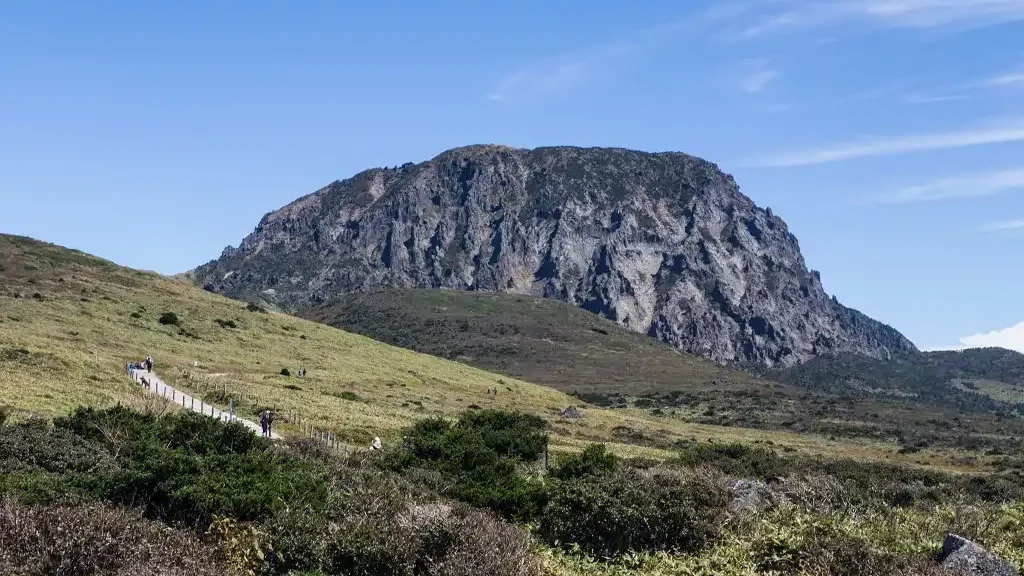
Jeju Island and Komodo National Park each showcase their own stunning landscapes and natural features. Jeju Island is well known for its volcanic landscapes and natural landmarks, including Hallasan Mountain, the highest in South Korea, and Cheonjiyeon Waterfall. On the other hand, Komodo National Park is celebrated for its dramatic landscapes and vibrant marine life, featuring Komodo Island and Rinca Island, Pink Beach, Padar Island, Taka Makassar, Kalong Island, Siaba Island, and Kanawa Island. There is something unique about each place, from Jeju's volcanic peaks and waterfalls to Komodo's stunning beaches and marine life.
Outdoor Activities on Jeju Island and Komodo National Park
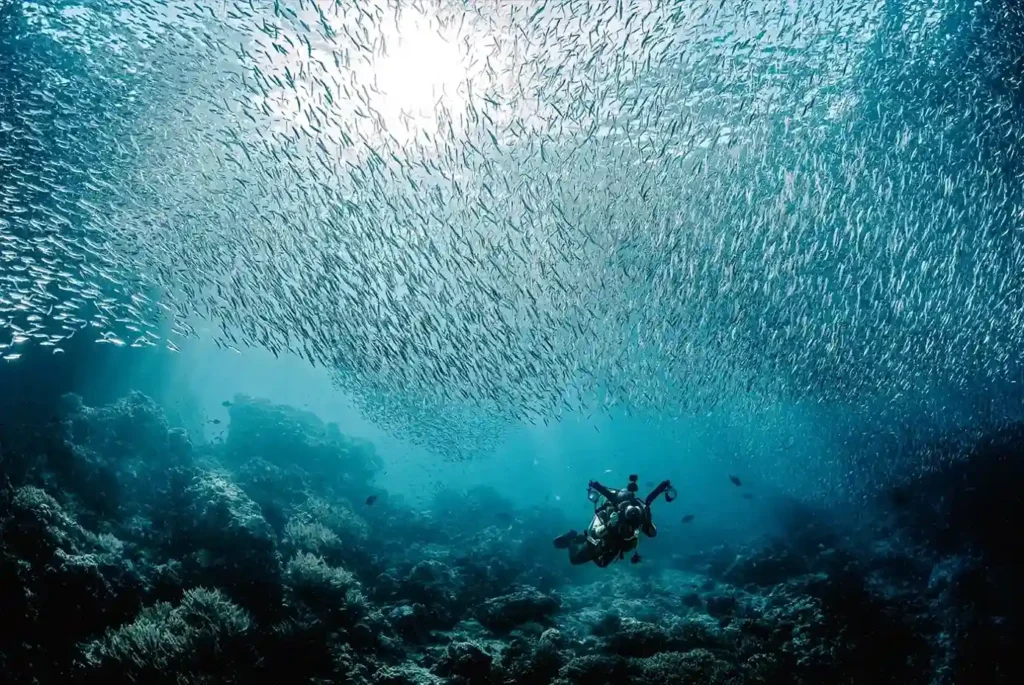
If you're an adventure enthusiast, the types of outdoor activities available at your destination are crucial. Jeju Island provides a range of land-based activities, including hiking Hallasan, Olle Trails, cycling, and horseback riding. In Komodo National Park, you can engage in activities that highlight its unique tropical environment, such as island hopping with a luxury Phinisi, snorkeling and diving, and hiking and trekking. Whether you prefer hiking through volcanic landscapes in Jeju or snorkeling among colorful reefs in Komodo, both destinations offer exciting ways to experience their natural wonders.
Biodiversity of Jeju Island and Komodo Park
The biodiversity of a destination can greatly enhance your travel experience. Jeju Island features a range of plant and animal species influenced by its subtropical climate and volcanic landscapes, including lush pine forests, vibrant camellias, and migratory birds like cranes. In contrast, Komodo National Park is known for its distinctive wildlife and rich marine ecosystems, featuring the world's largest lizard, the Komodo Dragon, and diverse marine life, including tropical fish, manta rays, and sea turtles.
Gallery
Frequently Asked Questions
What are the best activities to do on Jeju Island?
What are the best activities to do on Komodo National Park?
What is the best time to visit Jeju Island?
What is the best time to visit Komodo National Park?
Related Blog Posts
Why Komodo National Park is a Must-See Destination
Explore the must-see attractions of Komodo National Park with Boat Komodo Trip, from ancient dragons to stunning…
Read more →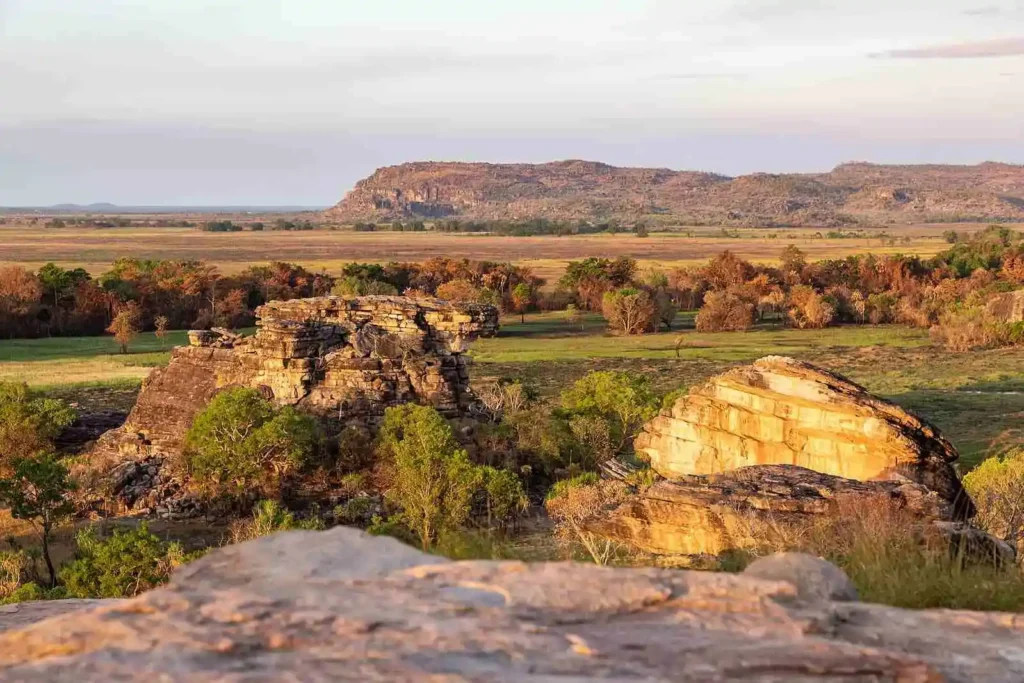
Komodo National Park vs Kakadu National Park: Which Nature…
Discover the differences between Komodo National Park and Kakadu National Park. Explore Komodo National Park with Boat…
Read more →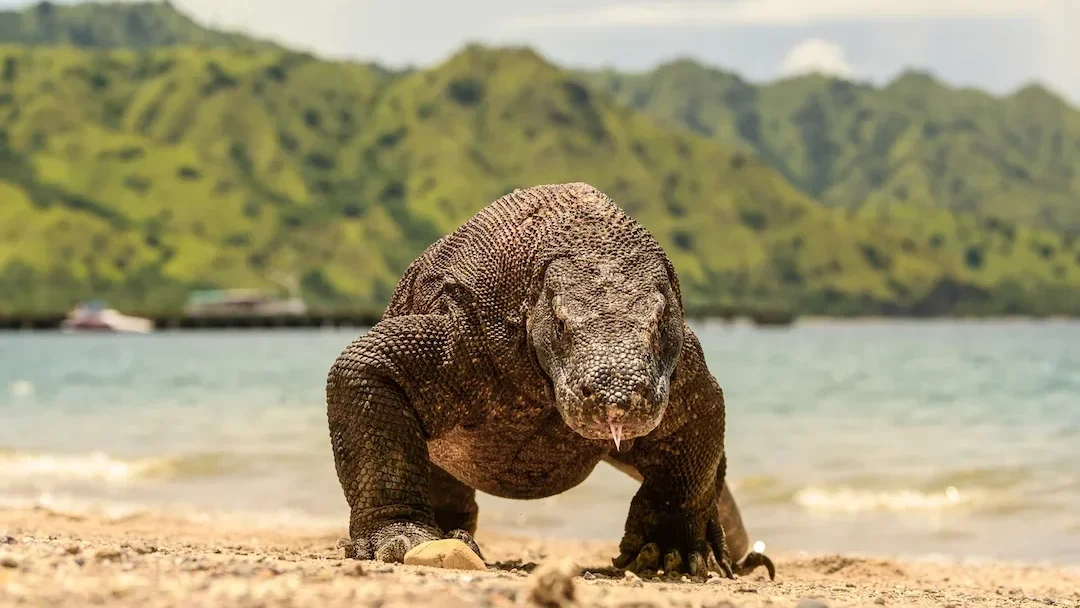
Hawaii vs. Komodo National Park: The Ultimate Tropical Paradise…
Discover the best tropical paradise in Hawaii and Komodo National Park's stunning landscapes and unique experiences.
Read more →
Yellowstone vs. Komodo: Which Adventure is Right for You?
Discover the ultimate adventure! Compare Yellowstone and Komodo National Parks to decide which iconic destination is…
Read more →
Komodo Island vs Barbados: Which Tropical Escape Reigns Supreme?
Uncover the ultimate tropical getaway between Komodo Island and Barbados. Compare wildlife, nature, and more. Let Boat…
Read more →