
Hutt Lagoon: Australia’s Pink Salt Lake
Nestled near Port Gregory in Western Australia, Hutt Lagoon is a vast salt lake known for its vivid pink waters. The hue shifts with the seasons — from soft blush to deep magenta — creating a surreal contrast against the blue sky and dry coastal scrub. It’s a visual spectacle best appreciated from above or along its quiet shoreline.
The color comes from Dunaliella salina, a microalgae that thrives in high-salinity environments. When exposed to strong sunlight, it produces carotenoid pigments, tinting the water naturally. While the science is fascinating, the real magic is in the moment — watching the light play across the surface at sunrise, when the lake glows like liquid rose gold.
Because the water is shallow — averaging between 0.5 and 1.5 meters — and extremely salty, swimming isn’t common. Instead, visitors come for stillness: photography, quiet walks, and guided tours that explain the lake’s ecology and history.
Pink Beach, Komodo: A Coral-Colored Shoreline
On the eastern tip of Komodo National Park, Pink Beach stands as one of only a handful of pink-sand beaches on Earth. Its soft hue comes not from algae, but from a blend of white sand and crushed red coral fragments. These fragments are the remains of Foraminifera — tiny marine organisms with bright red shells — that mix into the sand and give it a permanent rosy tint.
Unlike Hutt Lagoon’s seasonal color shifts, Pink Beach maintains its warm pink tone year-round. It’s not just the sand that draws visitors; the surrounding waters teem with life. Coral reefs thrive just offshore, making this a prime spot for snorkeling and diving. Turtles, reef sharks, and schools of tropical fish glide through clear, calm waters — a full sensory contrast to the stillness of a salt lake.
Visitors can swim, sunbathe, or simply stroll along the shore, taking in the rare beauty of a beach that looks like it was lifted from a dream. As part of a UNESCO World Heritage Site, the area is carefully protected, preserving both its landscape and marine biodiversity.
How Hutt Lagoon and Pink Beach Compare
While both are celebrated for their pink tones, the two destinations offer fundamentally different encounters. Hutt Lagoon is a quiet, landlocked marvel — ideal for photographers, nature watchers, and those drawn to geological curiosities. Its appeal is visual and atmospheric, best experienced in stillness.
Pink Beach, on the other hand, is immersive. You can swim in its waters, dive among coral gardens, and feel the colored sand beneath your feet. It’s part of a dynamic marine ecosystem, not just a color anomaly. The journey to get there — often by boat through Komodo National Park — adds adventure, with chances to see Komodo dragons, hike volcanic hills, and camp under the stars.
For Australian travelers, Hutt Lagoon is accessible by road, while Pink Beach requires a flight to Labuan Bajo and a boat tour. The latter offers a broader adventure, combining rare natural beauty with active exploration.
Frequently Asked Questions
Can you swim in Hutt Lagoon?
Is Pink Beach in Komodo really pink?
How do you visit Pink Beach in Komodo National Park?
Which is better: Hutt Lagoon or Pink Beach?
Related Blog Posts
How to Get to Pink Beach Komodo Island in Style
Discover the best routes, tours, and tips to visit Pink Beach Komodo Island with Boat Komodo Trip for an unforgettable…
Read more →Can You Swim at Pink Beach Komodo?
Yes, you can swim at Pink Beach Komodo. Discover water safety, snorkeling tips, and how to visit this rare pink sand…
Read more →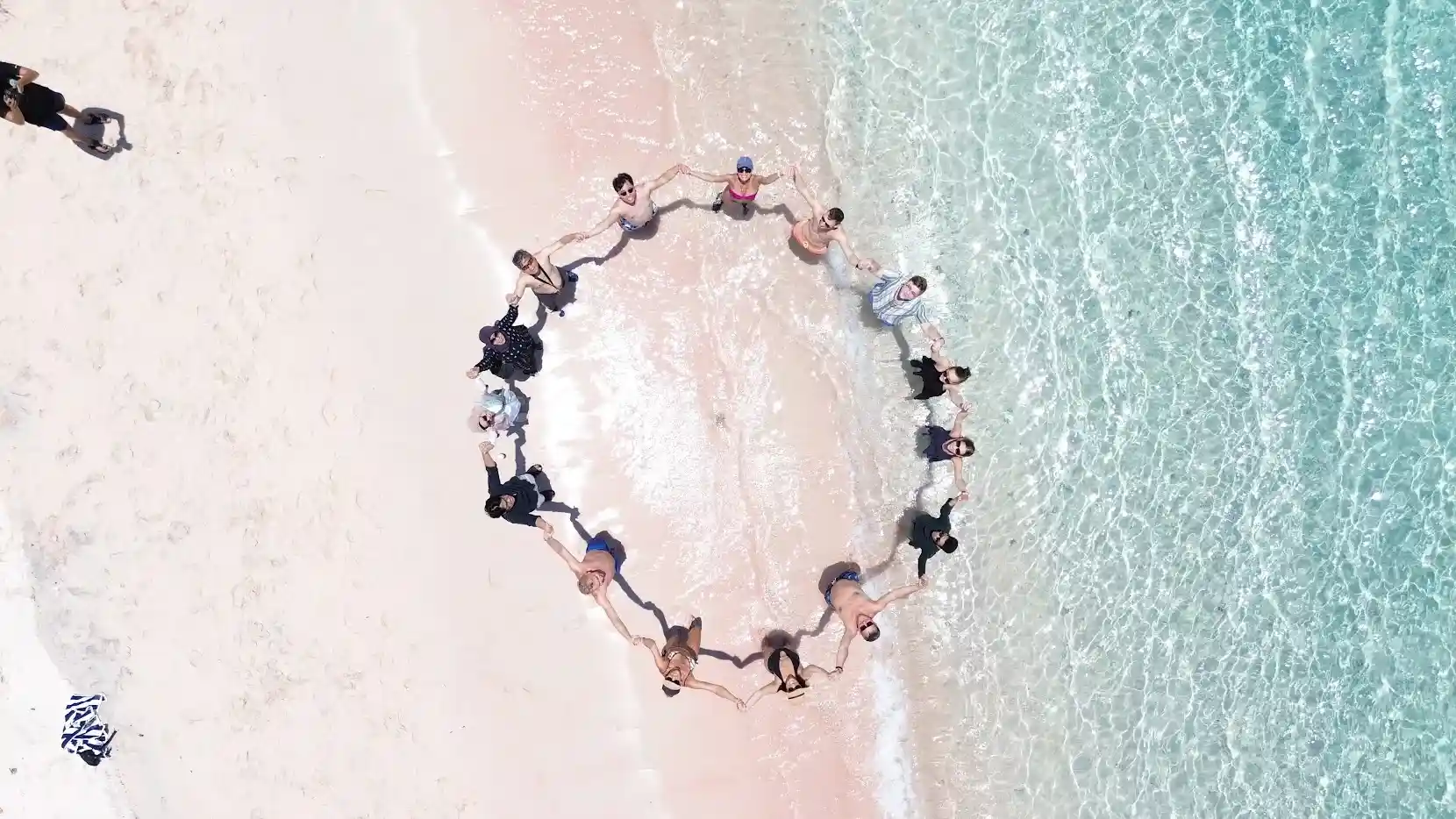
How to Get to Pink Beach from Australia
Fly from Australia to Pink Beach via Labuan Bajo with smart flight tips, luxury cruise options, and best times to…
Read more →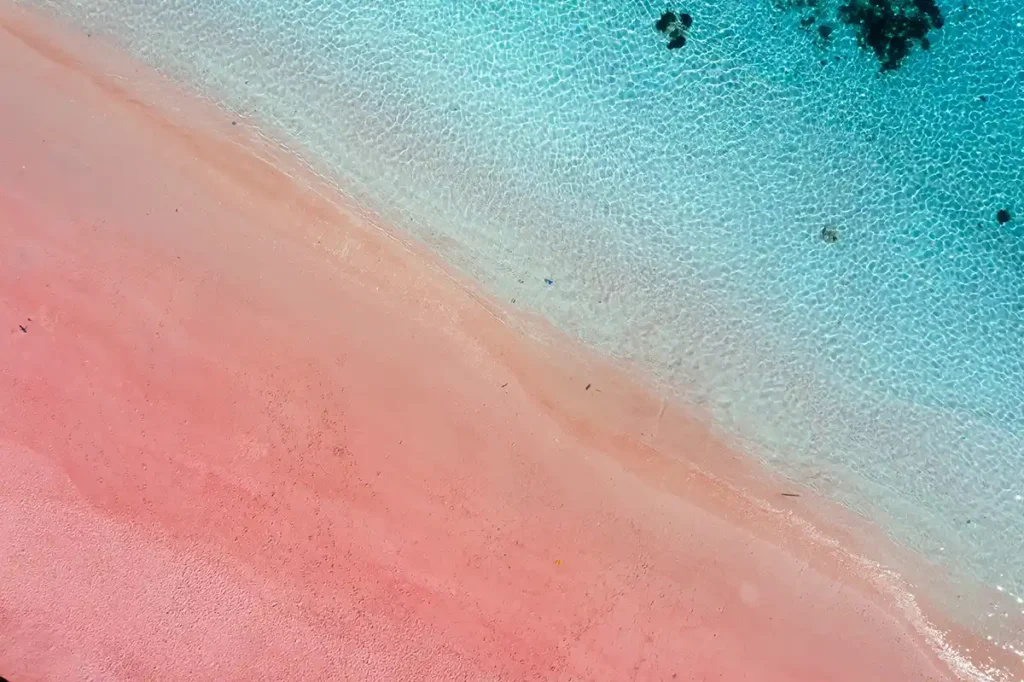
Pink Beach Komodo Island: A Rare Gem in Indonesia
Explore Pink Beach Komodo Island with Boat Komodo Trip. Learn about the unique pink sand, exciting activities, and the…
Read more →How to Get to Pink Beach from Bali 2026
Discover how to get from Bali to Pink Beach in Komodo National Park. Flight tips, cruise options, and best times to…
Read more →