
The Heartland of Indonesian Tradition
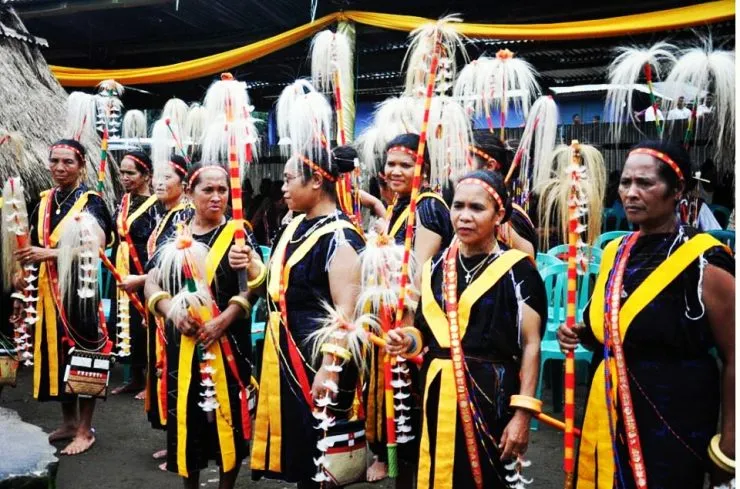
Flores Island lies east of Bali, stretching through the Lesser Sunda archipelago in East Nusa Tenggara province. Bordered by the Flores Sea to the north and the Pacific Ocean to the south, it’s a place where rugged terrain meets deep cultural roots. Unlike more urbanized parts of Indonesia, Flores has preserved its ancestral customs with quiet determination. The island is home to diverse ethnic groups—Manggarai, Ngada, Nagekeo, and Lio—each speaking distinct languages and maintaining unique social structures. Their shared reverence for nature, community, and the spiritual world is most visible during local festivals, where ritual and celebration become one.
These events are not staged for tourists; they are lived experiences, woven into the agricultural calendar, religious devotion, and ancestral veneration. Whether marking planting seasons or honoring Catholic saints, Flores festivals reflect a worldview where the sacred is embedded in daily life. For visitors, attending one is less about observation and more about respectful participation in a living cultural landscape.
Key Festivals of Flores Island
Festivals across Flores vary by region, faith, and tradition, yet all share a deep connection to identity and place. From coastal processions to mountain-top ceremonies, each event offers a window into how the island’s people understand their world. These are not performances but acts of continuity—rituals passed down through generations that affirm community bonds and spiritual beliefs.
While some festivals align with the Catholic liturgical calendar, others stem from indigenous animist traditions. In many cases, the two have merged, creating unique expressions of faith and culture. Whether you’re drawn to solemn processions or energetic harvest rites, Flores delivers moments of authenticity rarely found elsewhere in Indonesia.
Must-See Cultural and Spiritual Celebrations
The Komodo Culture Festival in Labuan Bajo kicks off the cultural calendar each year, celebrating the heritage of the Komodo people with traditional dances, music, and craft markets. Community-led events like boat races and cultural games invite visitors to engage directly with local life, blending tourism with tradition in a way that feels genuine.
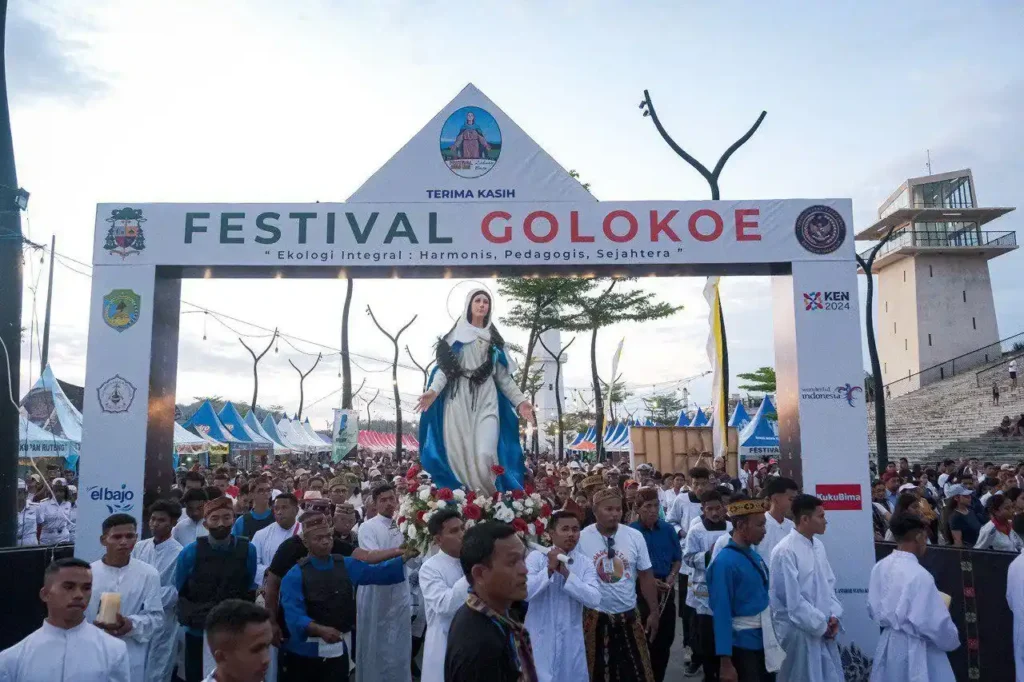
In the same region, the Golo Koe Festival stands out for its spiritual significance. Centered on the procession of the Bunda Maria Assumpta Nusantara Golo Koe statue, it draws thousands of Catholic devotees who wear traditional Manggarai attire—songke skirts, white shirts, and woven shawls. The statue travels by pinisi boat from Marina Waterfront Harbor to the sacred Golo Koe Cave, seven kilometers away, symbolizing both faith and maritime heritage.
Further inland, the Reba Bena Ceremony in Ngada marks the start of the planting season. Held in the ancestral village of Bena, it involves offerings of food and livestock to ancestral spirits, believed to ensure bountiful harvests. Rituals here emphasize harmony between humans, nature, and the unseen world—a philosophy central to many Flores communities.
In East Flores, Semana Santa in Larantuka is one of Indonesia’s most profound Catholic observances. From Holy Thursday to Easter Sunday, the town becomes a stage for solemn processions featuring ornate statues of saints, carried through streets lined with worshippers in traditional dress. The event draws pilgrims and visitors alike, offering a rare glimpse into the island’s deep religious devotion.
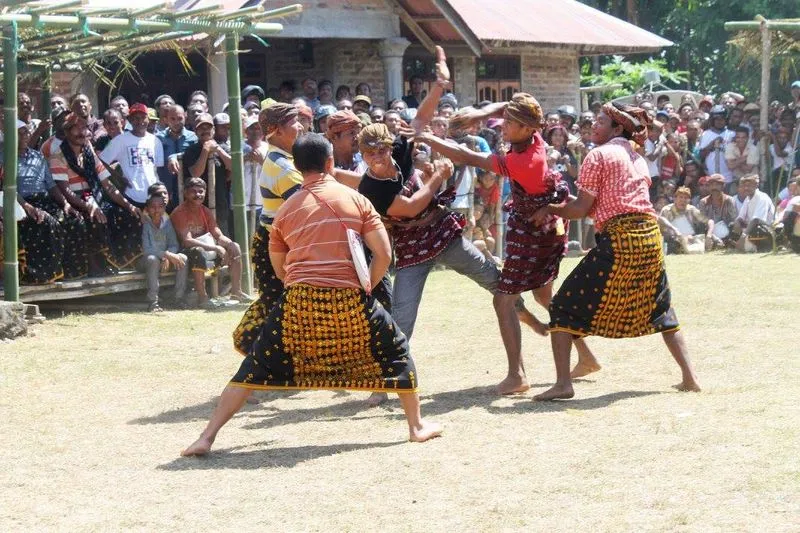
The Etu or Sagi Festival, practiced in Soa and Nagekeo, transforms ancient warrior training into a harvest thanksgiving. Fighters known as Ata Sagi wear Ta’i Kolo gloves—woven from palm fiber and sometimes edged with glass—and compete to the rhythm of bamboo instruments. Blood spilled during the match is seen not as injury but as a blessing for the coming harvest.
Near the tri-colored Kelimutu Lake, the annual festival honors the ancestral spirits believed to reside in its waters. Locals perform dances, music, and nature-based rituals to seek protection and prosperity, blending myth and ecology in a powerful tribute to the land.
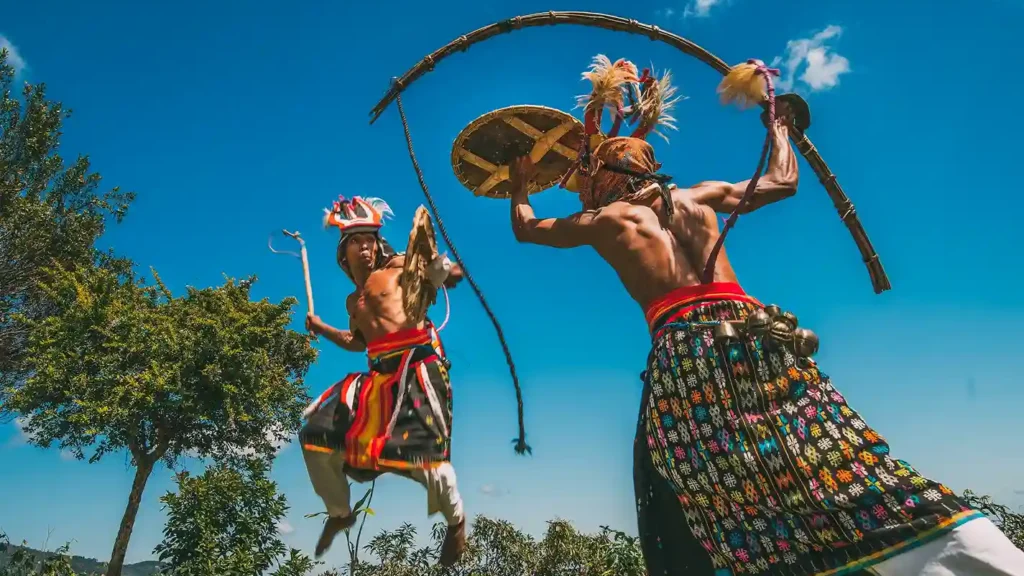
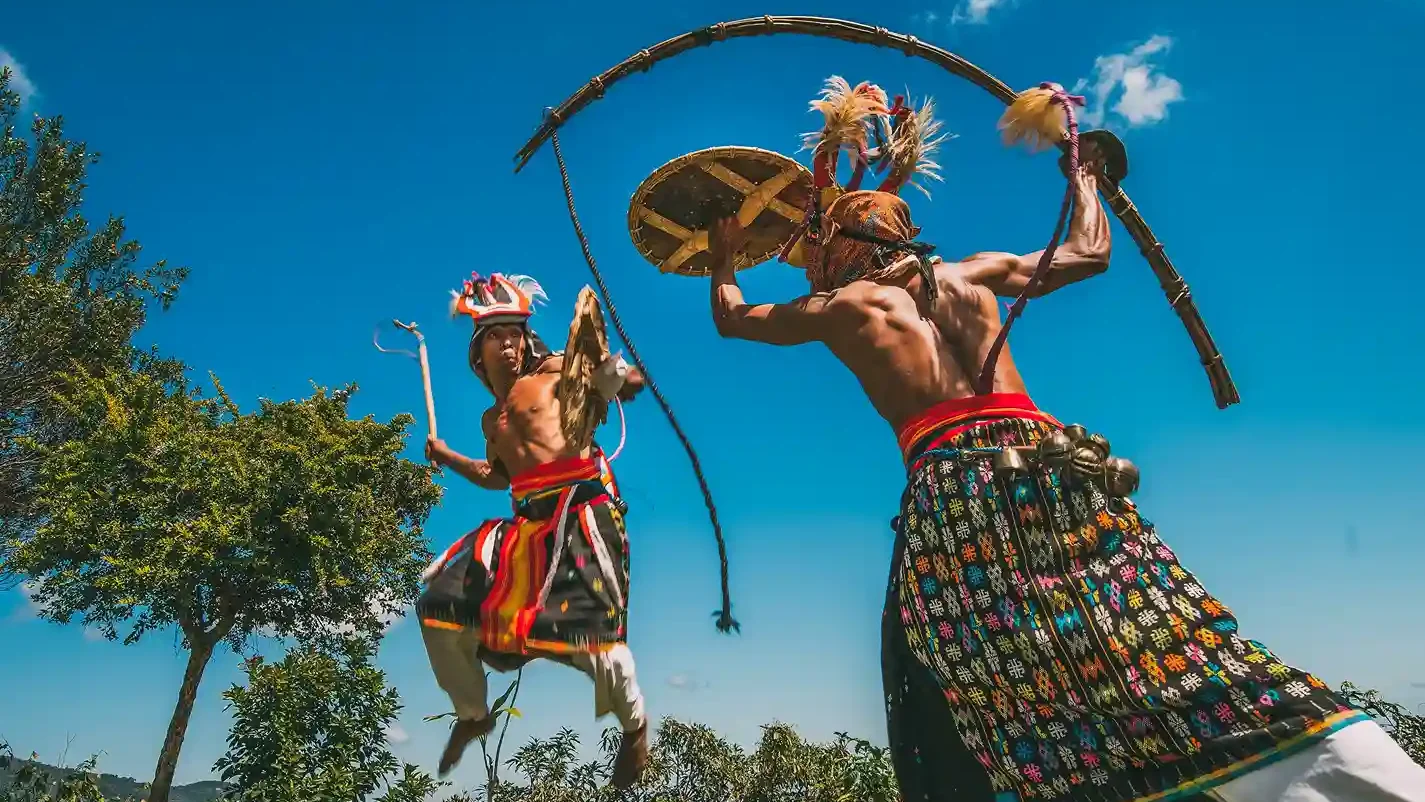
Finally, the Penti Ceremony in Wae Rebo Village marks the Manggarai people’s gratitude for the harvest and prayers for the new agricultural cycle. The event unites villagers in rituals like Barong Wae and Roi Boa, where offerings are made to invite ancestral spirits. Caci whip-fighting and all-night Sanda songs deepen the spiritual atmosphere, reinforcing community ties and ancestral reverence.
Gallery
Frequently Asked Questions
When is the best time to visit Flores for festivals?
Can tourists participate in Flores festivals?
Are Flores festivals safe for international travelers?
Do I need special permission to attend certain ceremonies?
Related Blog Posts
Cultural Festivals of India and Komodo Island: A Shared Spirit of…
Discover how India's vibrant festivals compare with local traditions on Komodo Island. Plan your cultural journey with…
Read more →Flores Island Traditional Villages: Discover the Culture and…
Explore Flores traditional villages like Wae Rebo and Bena. Experience ancestral customs, unique architecture, and…
Read more →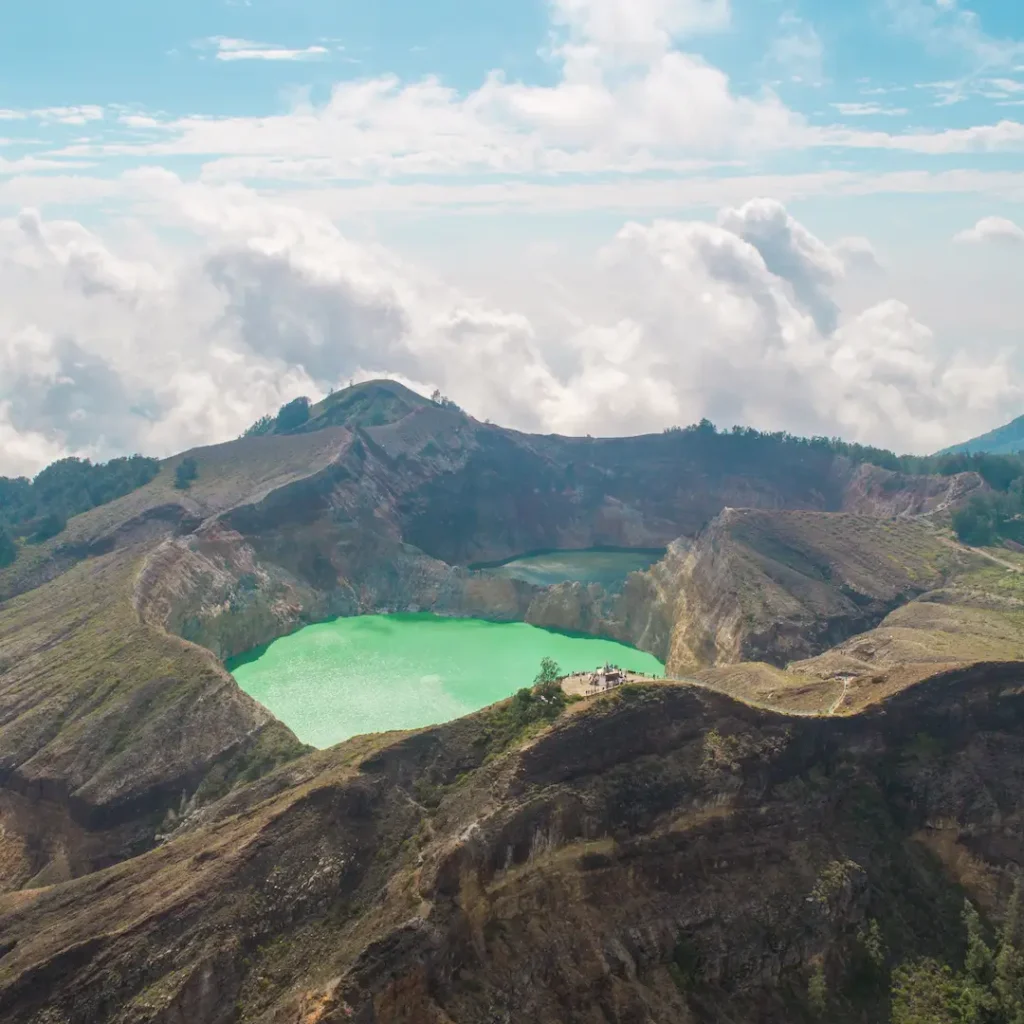
10 Must-See Flores Island Attractions for Nature and Culture Lovers
Explore the top Flores Island attractions—from Kelimutu's colored lakes to hidden waterfalls. Plan your adventure with…
Read more →Best Time to Visit Flores Island
Discover the best time to visit Flores Island for an unforgettable adventure! Book your Komodo Island tour with Boat…
Read more →Top 7 Things to Do in Flores Island, Indonesia
Explore the top things to do in Flores Island, Indonesia, from trekking and caving to snorkeling and diving. Plan your…
Read more →